
Steel, the ubiquitous alloy of iron and carbon, has been a foundational magnet material for centuries. Long before the discovery of powerful rare-earth magnets, steel was the go-to material for creating reliable, permanent magnets used in everything from compasses to early telephones. But what gives this common structural material its superior magnetic properties compared to pure iron?
The answer lies in the subtle but critical difference in its internal structure, specifically related to the presence of carbon and other alloying elements.
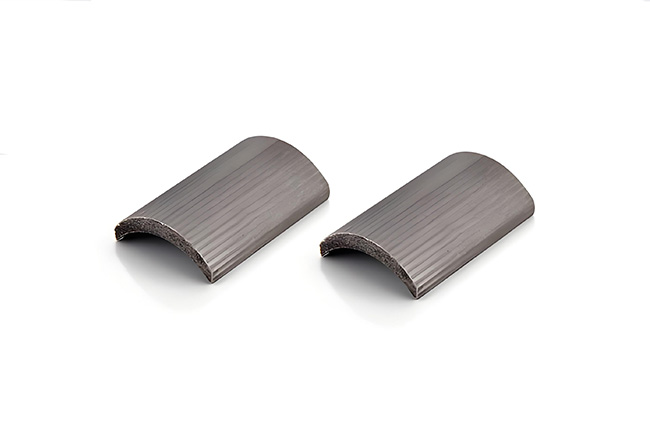
The Magnetic Difference: Iron vs. Steel
Both pure iron and steel are classified as ferromagnetic materials, meaning they are strongly attracted to magnetic fields. However, their ability to retain magnetism—a property called coercivity—is what separates them.
1. Pure Iron (Low Coercivity)
Pure iron is magnetically "soft." It magnetizes very easily when exposed to an external field, but it also loses that magnetism just as easily when the field is removed. This makes it ideal for electromagnets, where magnetism needs to be turned on and off instantly. Its soft nature is due to its relatively simple, uniform crystalline structure, which allows its internal magnetic domains to flip easily.
2. Steel (High Coercivity)
Steel, especially hardened steel, is magnetically "hard." It requires a much stronger external field to magnetize initially, but once magnetized, it resists demagnetization far better than iron. This makes it an excellent choice for a permanent magnet steel.
The Role of Carbon and Alloys in Magnet Steel
The addition of carbon (and other elements like chromium, cobalt, or tungsten) to iron creates imperfections within the crystal structure, which is the secret to strong permanent magnet steel.
Structural Obstacles: Carbon atoms, being much smaller than iron atoms, squeeze into the gaps of the iron lattice. These impurities act as tiny obstacles to the movement of the magnetic domain walls.
Domain Pinning: In pure iron, domain walls move freely, allowing the magnet to quickly lose its polarization. In steel, these obstacles pin the domain walls in place. When the external magnetic field is removed, the domain walls cannot easily return to a randomized state, forcing the domains to remain aligned.
High Remanence: This "pinning" effect gives the magnet steel high remanence (the ability to retain magnetism after the external field is removed) and high coercivity (resistance to demagnetization), two essential traits of a permanent magnet.
The Legacy of Magnet Steel
While modern Neodymium and Samarium Cobalt magnets boast superior strength, steel remains a cost-effective and historically significant magnet material. Various steel alloys, such as Chrome Steel and Cobalt Steel, were the industry standard for high-performance permanent magnets for decades and are still used in applications like early telephone receivers and some simple compass needles today.
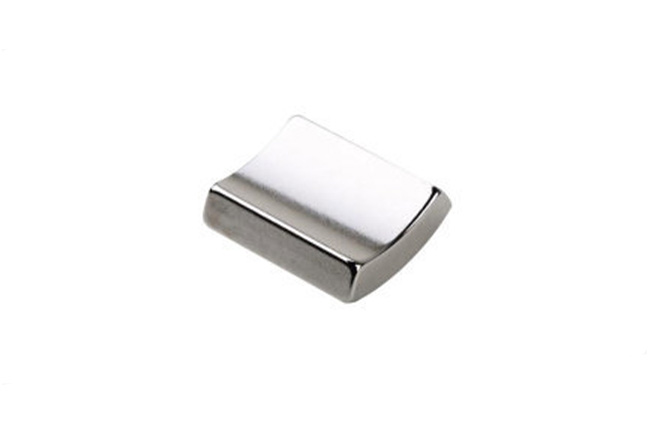
In conclusion, steel's transformation from a simple, soft magnetic material to a hard, permanent magnet is a result of structural engineering at the atomic level. The addition of carbon creates the necessary internal resistance, forcing the magnetic domains to hold their alignment and giving the steel its lasting magnetic power.
Topping
Contact

We will contact you within 24 hours. ( WhatsApp/facebook:+86 15957855637)