
It's a common misconception that all permanent magnets last forever. While the fundamental property of magnetism is indeed permanent, the magnetic force exhibited by a physical magnet can, and often does, decrease over time. The actual lifespan of a magnet depends less on age and more on how it is treated and the material it's made from.
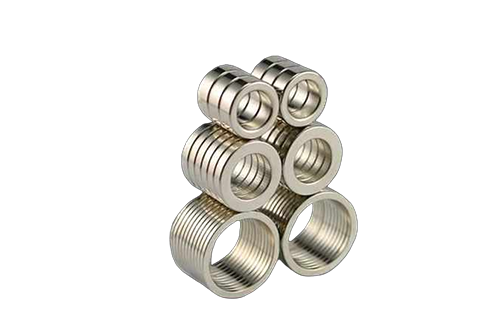
The Myth of Magnetic Immortality
In short, a well-cared-for magnet can retain its strength for hundreds of years. However, its longevity is not guaranteed. The lifespan is primarily determined by external stressors that disrupt its internal structure.
Key Factors Affecting a Magnet's Lifespan
The degradation of a permanent magnet is usually caused by physical or environmental factors that scatter its meticulously aligned internal magnetic domains.
1. Heat Exposure
This is the most significant factor in shortening a magnet's lifespan. Every magnet material has a Curie temperature (TC), a point at which the magnet completely loses its magnetism.
Extreme Loss: If a magnet is heated above its TC, the material's thermal energy completely randomizes the magnetic domains, resulting in an irreversible and catastrophic loss of all magnetic power.
Gradual Loss: Even sustained exposure to temperatures below the Curie point can cause a slow, gradual demagnetization over months or years. This is why specialized magnets, like Samarium Cobalt, are used in high-temperature environments (like jet engines), as they have a higher TC than common Neodymium magnets.
2. Corrosion and Physical Degradation
Especially for the powerful rare-earth magnets like Neodymium, physical and chemical degradation can be a major issue.
Rust and Oxidation: Neodymium magnets contain a significant amount of iron, making them highly susceptible to rust (oxidation) when exposed to moisture. Since the magnetic field is a function of the entire volume of ferromagnetic material, as the material rusts, the magnet literally shrinks in magnetic substance, causing the field to weaken. This is why these magnets require a protective plating (like nickel or zinc) to extend their working lifespan.
Impact: Severe physical shocks, such as dropping a brittle magnet repeatedly, can cause internal mechanical stresses that knock a small percentage of the magnetic domains out of alignment, leading to a minor but permanent loss of strength.
3. Demagnetizing Fields
A magnet's lifespan can be drastically shortened if it is placed in the presence of a strong opposing magnetic field. This could occur if a magnet is stored too close to another powerful magnet, especially if their like poles (North to North, or South to South) are forced together.
The external, opposing field can be strong enough to force the internal domains of the weaker magnet to reverse direction, thereby reducing its strength.
How to Maximize the Life of Your Magnet
Under ideal conditions—kept at a moderate temperature, free from strong opposing fields, and protected from corrosion—a high-quality permanent magnet can maintain its strength for many generations.
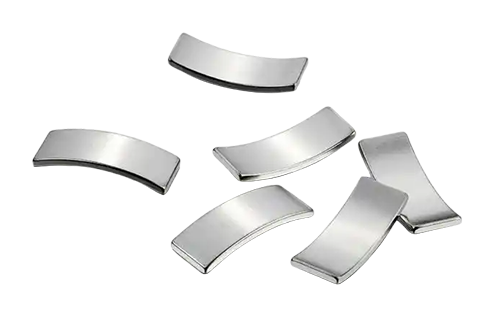
In essence, a permanent magnet does not simply "wear out" from use. Its lifespan is limited by external abuse. By protecting your magnet from extreme heat and physical damage, you can ensure it remains a powerful tool for decades to come.
Topping
Contact

We will contact you within 24 hours. ( WhatsApp/facebook:+86 15957855637)