
The simple answer is yes, steel can be, and historically has been, an excellent permanent magnet. In fact, steel was the material of choice for making permanent magnets for centuries, long before the advent of the powerful rare-earth magnets we use today.
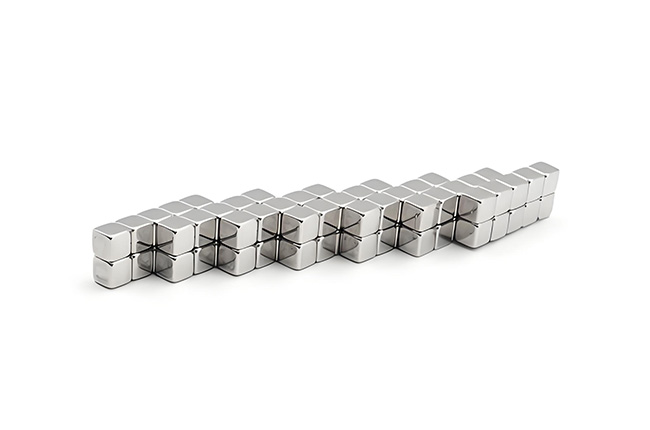
The key to steel’s magnetic capability lies not just in the fact that it contains iron (a ferromagnetic element), but in the unique internal structure created by its alloying elements, primarily carbon. This structure makes it magnetically "hard."
The Two Sides of Magnetic Materials
To understand why steel works as a permanent magnet, you must distinguish between two types of magnetic materials:
1. Magnetically Soft Materials (e.g., Pure Iron)
Pure iron is magnetically soft. It is very easy to magnetize when an external field is applied, but it loses its magnetism just as easily when the field is removed. This makes it ideal for electromagnets, where the magnetism needs to be turned on and off instantly.
2. Magnetically Hard Materials (e.g., Magnet Steel)
Steel, especially when hardened through heat treatment, is magnetically hard. It resists demagnetization and retains a strong magnetic field after the external magnetizing force is removed. This is the essential quality of a permanent magnet steel.
The Role of Carbon in Permanent Magnet Steel
Steel is an alloy made primarily of iron and a small percentage of carbon. The presence of carbon atoms is what creates the superior permanent magnetic qualities in the alloy.
Internal Obstacles: When steel is made, the tiny carbon atoms squeeze themselves into the crystal lattice structure of the iron. These atoms, along with other alloy impurities, act as physical roadblocks or pinning points to the movement of the magnetic domain walls.
Domain Alignment: In a permanent magnet, the magnetic domains (tiny regions where atomic magnetic fields are aligned) must stay pointed in the same direction. In soft iron, these domains can easily flip out of alignment. In magnet steel, the carbon "pins" the domain walls in place, ensuring that the domains remain locked in alignment even after the magnetizing field is gone.
High Coercivity: This resistance to demagnetization is called coercivity. Steel's high coercivity is what gives it lasting magnetic power and makes it suitable for being a permanent magnet steel.
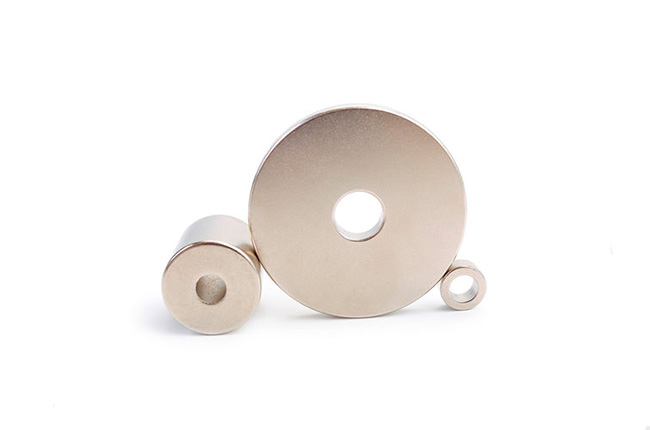
The Legacy of Steel Magnets
While modern technology favors rare-earth materials like Neodymium for maximum strength, steel and its alloys (such as Cobalt Steel and Chrome Steel) have been, and in some contexts still are, reliable permanent magnets. They are used in older audio speakers, compasses, and certain types of mechanical sensors where reliability and cost-effectiveness are prioritized over extreme strength.
In conclusion, the chemical composition and metallurgical processing of steel turn simple iron into a robust permanent magnet material, capable of holding a strong magnetic field for a very long time.
Topping
Contact

We will contact you within 24 hours. ( WhatsApp/facebook:+86 15957855637)