
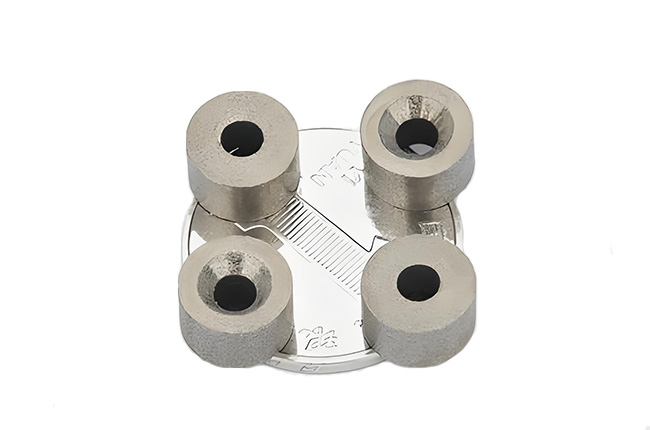
Even with the rise of modern rare-earth magnets such as NdFeB, traditional Magnet Steel continues to be widely used across multiple industries. This enduring relevance is not accidental—it is rooted in the balanced performance, stability, and practicality that Magnet Steel offers.
1. Reliable Performance in Harsh Environments
While NdFeB provides very strong magnetic power, it can be sensitive to high temperatures and corrosion. Magnet Steel, however, maintains stable magnetic properties under tougher conditions. It performs well in applications where durability matters more than peak strength, such as mechanical instruments or industrial components.
2. Cost Efficiency and Availability
The production of NdFeB relies on rare-earth elements, which can increase cost and supply sensitivity. In contrast, Magnet Steel relies on more common materials, making it a cost-effective alternative for designs where extremely high magnetic strength is not essential. This affordability keeps Magnet Steel competitive.
3. Ease of Processing and Customization
Manufacturers often favor Magnet Steel because it is easier to cut, form, and machine compared to NdFeB, which is brittle and requires protective coatings. This makes Magnet Steel suitable for custom parts, prototyping, and designs where machining flexibility matters.
4. Long-Term Stability
In some applications, the long-term stability of Magnet Steel outweighs the high performance of NdFeB magnets. Precision devices, legacy machinery, and environments exposed to mechanical stress often continue to specify Magnet Steel due to its predictability and resistance to demagnetization.
5. Complementary Roles Rather Than Competition
Rather than replacing each other, Magnet Steel and NdFeB often serve different roles. NdFeB excels in compact, high-power systems such as motors and electronics, while Magnet Steel remains relevant where simplicity, toughness, and reliability are priority requirements.
Conclusion
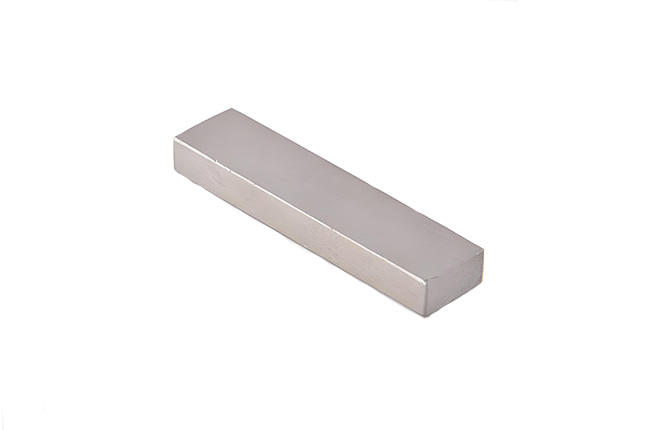
Magnet Steel has remained relevant despite the rise of advanced materials like NdFeB because it offers durability, affordability, process flexibility, and long-term stability. Instead of being outdated, it continues to complement NdFeB in practical applications, proving that material choice depends on performance needs—not just magnetic strength.
Topping
Contact

We will contact you within 24 hours. ( WhatsApp/facebook:+86 15957855637)