
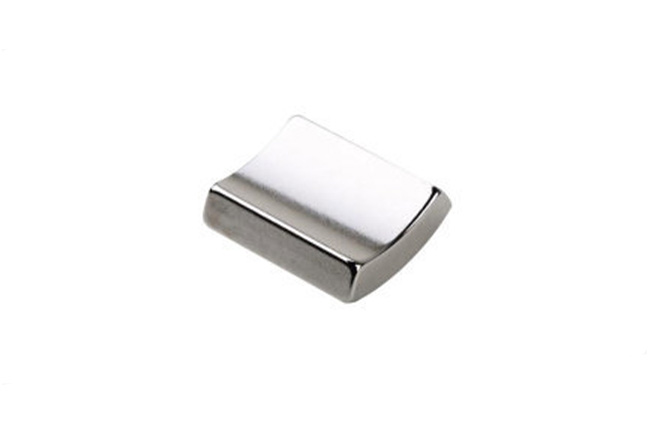
The production of Magnet Steel is a carefully controlled process that transforms raw metallic materials into alloys capable of retaining long-lasting magnetic properties. Understanding how Magnet Steel is manufactured reveals why it plays such a vital role in motors, sensors, generators, and other magnetic products.
1. Alloy Selection and Raw Material Preparation
Manufacturing Magnet Steel begins with selecting the right alloying elements. Iron forms the base, while additions such as chromium, nickel, tungsten, or aluminum enhance hardness and magnetic performance. These raw materials are sorted, cleaned, and precisely weighed to ensure consistent chemistry.
2. Melting and Refining
The blended metals are melted in high-temperature furnaces. During melting, impurities are removed, and the elements mix thoroughly to achieve uniformity. This step is critical because the structure of Magnet Steel depends heavily on a clean and stable alloy composition.
3. Casting into Billets or Ingots
Once refined, the molten metal is poured into molds to create billets or ingots. Controlled cooling promotes a dense microstructure, forming the foundation for strong Magnet Steel. These cast shapes are later transformed through mechanical or thermal processing.
4. Heat Treatment and Magnetic Property Development
Heat treatment is essential to strengthen internal grain structures. Processes such as quenching and tempering shape the hardness and magnetic retention of Magnet Steel. Specific temperature cycles help the material resist demagnetization, which is a key requirement for magnetic applications.
5. Forming and Machining
Depending on its end use, Magnet Steel may be rolled, forged, machined, or ground into final dimensions. Motors, instrument parts, and mechanical devices often require precise shapes, so machining accuracy ensures reliable performance.
6. Magnetization
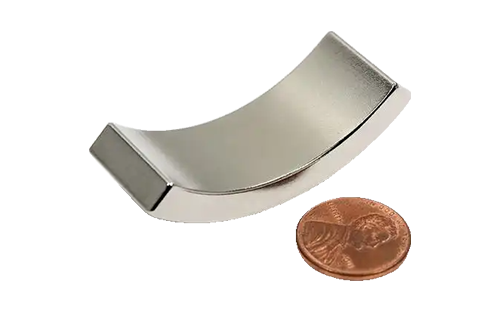
The last critical step is applying a strong magnetic field to align internal domains. After this process, Magnet Steel becomes capable of functioning as a permanent magnet material, ready for installation in assemblies or products.
Conclusion
The manufacture of Magnet Steel involves material selection, melting, casting, heat treatment, forming, and magnetization. Each stage contributes to the alloy’s ability to hold magnetic energy. As industries continue to demand efficient magnetic components, refined manufacturing methods ensure Magnet Steel remains a valuable and widely applied material in magnetic technologies.
Topping
Contact

We will contact you within 24 hours. ( WhatsApp/facebook:+86 15957855637)