
The world of Magnet Steel is far more diverse than many people realize. Although these materials share the same core purpose—producing permanent magnetic force—different compositions and processing methods give each type of Magnet Steel unique characteristics suited for specific applications.
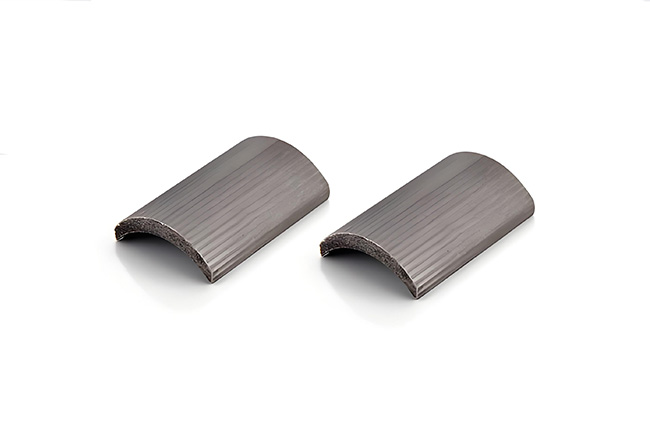
1. Carbon Magnet Steel
Carbon-based Magnet Steel is one of the earliest forms used in engineering. It contains iron and carbon, offering moderate magnetic performance.
Key Applications:
Small motors
Measuring devices
Basic magnets for tools or educational purposes
Its cost-effectiveness makes it suitable for mass production where ultra-high magnetic strength is not required.
2. Alloy Magnet Steel (AlNiCo Magnetic Steel)
Alloy Magnet Steel, often made from aluminum, nickel, and cobalt (AlNiCo), provides better magnetism and temperature resistance compared to carbon steel magnets.
Key Applications:
Electric guitar pickups
Sensors
Industrial machinery
Automotive components
This type of Magnet Steel is valued for its stability over a wide temperature range.
3. Tungsten Magnet Steel
Tungsten-based Magnet Steel improves hardness and resistance to demagnetization. Its toughness makes it ideal for demanding environments.
Key Applications:
Precision instruments
Heavy-duty tools
High-wear environments
While not as powerful as modern rare-earth magnets, its resilience remains valuable.
4. Chromium Magnet Steel
Chromium-enhanced Magnet Steel adds corrosion resistance, helping magnets last longer in humid or exposed conditions.
Key Applications:
Outdoor mechanical systems
Marine equipment
Long-term mounting fixtures
Chromium Magnet Steel fills the gap between performance and durability for weather-dependent applications.
5. High-Energy Alloy Magnet Steel
This advanced form of Magnet Steel is engineered for stronger performance without relying on rare earth elements. It provides higher coercivity and stability than standard alloy magnets.
Key Applications:
Aerospace components
Sensors
Precision control devices
It supports industries requiring both reliability and compact magnetic energy.
Conclusion
Although rare-earth magnets are increasingly popular, Magnet Steel remains essential because it is versatile, durable, and practical. With multiple types—ranging from carbon and alloy steel to tungsten and chromium variants—Magnet Steel serves roles from industrial sensors to precision equipment. Its diversity ensures it continues to play a foundational role in many fields.
Topping
Contact

We will contact you within 24 hours. ( WhatsApp/facebook:+86 15957855637)