NdFeB permanent magnet material is widely known for its exceptional magnetic strength and compact energy density, making it essential in motors, sensors, speakers, robotics, medical tools, and countless high-performance systems. However, despite its impressive magnetic performance, NdFeB permanent magnet material is inherently vulnerable to corrosion and degradation. This is why applying protective surface coatings is not just beneficial—it is a functional requirement for reliability and long-term durability.
Intrinsic Composition Drives Vulnerability
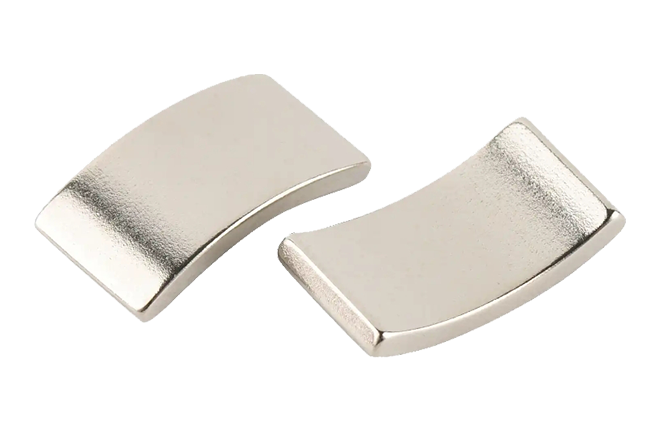
NdFeB permanent magnet material is composed of neodymium, iron, and boron. The presence of iron gives the magnet remarkable strength but also introduces a natural weakness: iron readily oxidizes in humid or chemically aggressive environments. Even minor surface corrosion can lead to structural weakening, magnetic loss, and reduced service life. Therefore, a surface barrier is necessary to protect against oxygen and moisture.
Environmental Stress Amplifies the Issue
Many applications of NdFeB permanent magnet material place it in demanding service conditions—high humidity, sweat exposure in wearables, automotive under-hood heat cycles, and even salt spray in marine or wind power settings. Without coatings, the magnet reacts to these stressors, leading to pitting, swelling, and irreversible magnetic decay. Coatings are used to stabilize performance across these real-world scenarios.
Types of Coatings Serve Different Purposes
A variety of protective finishes can be applied to NdFeB permanent magnet material, depending on application needs:
Nickel-Copper-Nickel (NiCuNi) coatings provide good corrosion resistance and mechanical protection.
Epoxy coatings are beneficial for high humidity or chemical exposure environments.
Zinc coatings offer a simple barrier layer with moderate protection.
Parylene coatings are used in medical or precision electronics due to their uniform and pin-hole-free coverage.
Each coating choice supports specific durability and performance requirements.
Functional Longevity and Structural Integrity
The coating applied to NdFeB permanent magnet material extends functional life by preventing oxidation, surface cracking, and hydration-induced swelling. This protection ensures the magnet maintains its magnetic flux density, dimensional stability, and physical integrity throughout its lifespan. In applications such as motors or sensors where replacement is difficult or costly, coatings directly influence reliability.
Conclusion
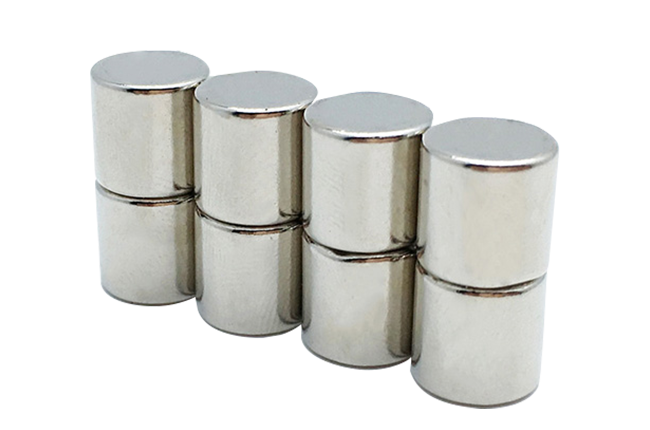
NdFeB permanent magnet material offers unmatched magnetic strength, but its inherent susceptibility to corrosion makes special coatings indispensable. These protective layers enhance resistance to moisture, chemicals, thermal cycling, and mechanical wear—safeguarding both stability and usability in diverse environments. Ultimately, coatings are a fundamental part of ensuring that NdFeB permanent magnet material performs as intended throughout its service life.
Topping
Contact

We will contact you within 24 hours. ( WhatsApp/facebook:+86 15957855637)