
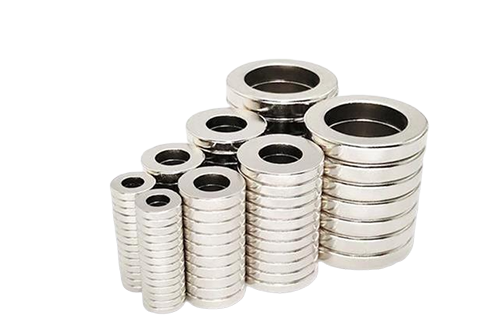
NdFeB Permanent Magnet Material has become a cornerstone in modern engineering thanks to its remarkable magnetic strength and compact size. From motors and sensors to automation, medical devices, and everyday consumer products, this material enables the miniaturization and efficiency improvements found across many fields. However, like any material solution, NdFeB Permanent Magnet Material offers notable advantages alongside certain limitations that designers must consider.
Key Advantages of NdFeB Permanent Magnet Material
1. Exceptional Magnetic Strength
One of the most recognized benefits of NdFeB Permanent Magnet Material is its high energy density. It produces strong magnetic fields with small volumes, allowing powerful components to be compact and lightweight.
2. High Efficiency in Performance Applications
Motors, generators, servo systems, and precision instruments rely on NdFeB Permanent Magnet Material to deliver responsive torque and stable performance. This helps improve operational efficiency and reduce energy losses in dynamic systems.
3. Supports Miniaturization and Integrated Design
Because NdFeB Permanent Magnet Material provides strong magnetism in small forms, it enables quieter, smaller, and more efficient devices—ideal for portable electronics, medical tools, and smart automation.
Limitations of NdFeB Permanent Magnet Material
1. Sensitivity to High Temperatures
While NdFeB Permanent Magnet Material is powerful at room conditions, its magnetic strength can degrade when exposed to elevated temperatures. Grades exist that mitigate this effect, but thermal sensitivity remains a design concern.
2. Susceptibility to Corrosion
NdFeB Permanent Magnet Material contains iron, which makes it naturally prone to oxidation. Without proper protective coatings, exposure to moisture or chemicals may cause rust, weakening its structural and magnetic properties.
3. Mechanical Brittleness
Compared with some other magnetic materials, NdFeB Permanent Magnet Material is relatively brittle and not ideal for applications requiring strong structural toughness or impact resistance.
Practical Considerations for Application
To optimize the performance of NdFeB Permanent Magnet Material, engineers often:
Apply protective surface coatings
Use temperature-stable grades where heating is expected
Design magnetic circuits that minimize demagnetization risk
These strategies help balance strengths and limitations.
Conclusion
NdFeB Permanent Magnet Material has transformed modern technology by delivering strong magnetism in compact forms, enabling higher efficiency and smaller designs across countless applications. Although its sensitivity to temperature, corrosion, and mechanical stress introduces design challenges, smart engineering solutions allow industries to fully leverage its benefits. When appropriately selected and protected, NdFeB Permanent Magnet Material remains one of the most functional and versatile magnetic materials in use today.
Topping
Contact

We will contact you within 24 hours. ( WhatsApp/facebook:+86 15957855637)