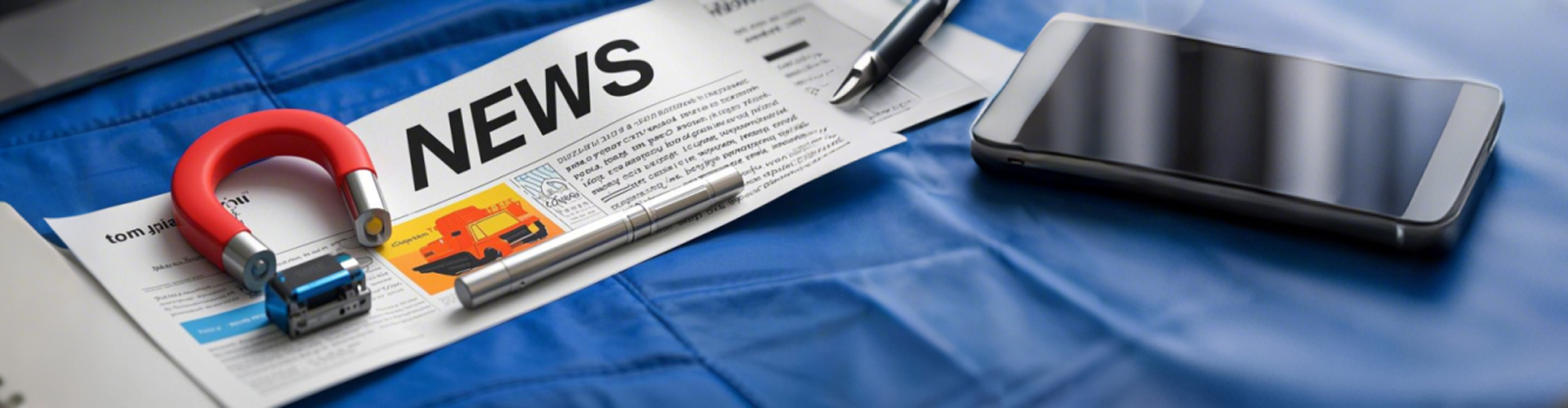
Magnets are often associated with refrigerator decorations or simple science experiments, but their role in daily life goes far deeper than most people realize. From transportation and healthcare to data storage and household conveniences, Magnets quietly power systems that make modern living efficient, safe, and smart.
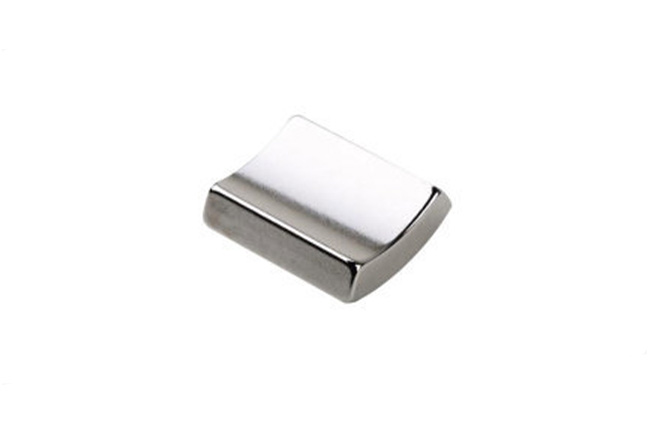
Magnets in Medical Technology
One of the most unexpected applications is found in medicine. MRI scanners rely on powerful Magnets to create detailed images of organs and tissues, helping doctors detect conditions without invasive procedures. Even small medical devices, including hearing aids and implanted sensors, often use miniature Magnets for positioning and secure functionality.
Magnets in Everyday Electronics
Magnets are essential components inside speakers, headphones, and microphones. Their interaction with electric currents enables sound production and signal conversion. Hard drives and some solid-state storage technologies also use Magnets to encode, manipulate, and retrieve digital information—quietly storing memories, media, and essential files.
Transportation and Automation
Modern transportation depends heavily on Magnets. Electric motors in bicycles, escalators, household appliances, and vehicles rely on magnetic force to convert electrical energy into motion. In industrial systems, magnetic sensors allow precise automation, helping machines identify position, speed, and alignment.
Home and Office Convenience
Magnets also influence areas we rarely think about. Cabinet doors often stay shut thanks to magnetic catches. Tool organizers use magnetic strips to keep items accessible. Charging connectors in smart devices, such as wireless chargers and magnetic cables, rely on Magnets for alignment and stability.
Security and Safety Systems
Door locks, alarm sensors, and safety switches frequently use Magnets to detect access, movement, or opening points. This invisible magnetic triggering ensures a reliable response without mechanical wear, supporting long-term durability.
Magnets in Renewable and Emerging Technologies
Wind turbines, robotics, and smart-manufacturing equipment all apply Magnets to enhance efficiency and control. Even emerging wearable technology incorporates tiny Magnets for fast connections, motion sensing, or modular accessories.
Conclusion
Magnets are far more than decorative fridge accessories—they are hidden drivers in healthcare, electronics, automation, home design, and personal security. As technology evolves, Magnets will continue shaping new possibilities, becoming even more deeply integrated into the way we interact with machines and digital systems. Their presence may be subtle, but the influence of Magnets is undeniable in shaping modern convenience and innovation.
Topping
Contact

We will contact you within 24 hours. ( WhatsApp/facebook:+86 15957855637)