
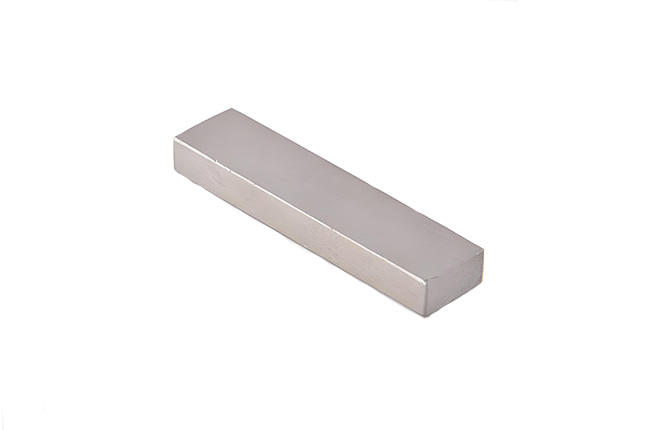
The NdFeB permanent magnet material is known for its exceptional magnetic performance, compact size, and widespread industrial use. But behind its strength lies a precise and carefully controlled manufacturing process. Understanding how NdFeB permanent magnet material is produced reveals why it delivers such powerful and reliable performance in applications such as motors, medical devices, automation systems, and energy technologies.
1. Raw Material Preparation
The manufacturing journey begins with raw rare-earth metals—mainly neodymium—combined with iron, boron, and sometimes additional elements like dysprosium or terbium for enhanced high-temperature resistance.
Key steps include:
Alloying metals in exact proportions
Vacuum induction melting to ensure purity
Casting into ingots ready for further processing
These steps establish the essential chemistry of the NdFeB permanent magnet material.
2. Strip Casting or Rapid Solidification
The molten alloy is cooled quickly using strip casting or similar techniques. Rapid solidification produces a fine microstructure, which helps improve magnetic performance and coercivity in later stages.
3. Hydrogen Decrepitation and Milling
Next, the alloy undergoes hydrogen decrepitation, where hydrogen gas breaks the cast ingots into brittle pieces. These fragments are milled into fine powder, achieving micrometer-scale particle sizes suitable for pressing.
The quality of the powder determines how well magnetic particles align during manufacturing—an essential step for strong magnet performance.
4. Magnetic Pressing and Alignment
The powder is compacted under a strong external magnetic field. During this pressing stage:
Magnetic domains align along the desired axis
The material develops directional magnetic properties
Mechanical integrity begins to form
This alignment process is one of the most important contributors to the strength of the NdFeB permanent magnet material.
5. Sintering and Heat Treatment
The compacted material is sintered at high temperatures to bond particles firmly together and refine its microstructure.
Sintering benefits:
Increased density
Improved mechanical strength
Enhanced magnetic stability
Additional heat treatments help develop coercivity and stabilize the magnetic domain structure.
6. Machining and Shaping
Once sintered, magnets are processed into their final dimensions through cutting, grinding, or EDM machining. Because NdFeB magnets are brittle, specialized handling is required to avoid cracking.
7. Surface Coating or Plating
To prevent oxidation and corrosion, NdFeB magnets undergo protective coating treatments such as:
Nickel plating
Epoxy coating
Zinc finishing
These layers help extend the service life of the NdFeB permanent magnet material in demanding operating environments.
8. Inspection and Magnetization
Final inspection includes measuring dimensions, magnetic strength, and density. Only after passing these quality checks are magnets exposed to strong external magnetic fields to fully magnetize their domains.
At this stage, the finished magnet is ready for industrial or commercial use.
Conclusion
Manufacturing the NdFeB permanent magnet material is a complex process involving alloying, casting, hydrogen treatment, magnetic alignment, sintering, machining, coating, and magnetization. Each step contributes to the material’s outstanding performance and reliability. The precision behind this process explains why NdFeB permanent magnet material remains essential in advanced engineering applications—from compact motors to high-performance sensing systems.
Topping
Contact

We will contact you within 24 hours. ( WhatsApp/facebook:+86 15957855637)