
When selecting the right magnet material for a product or engineering project, understanding the distinctions between NdFeB, Ferrite, and Samarium Cobalt Magnets is essential. Each magnet type has unique magnetic properties, cost considerations, and environmental performance characteristics. By comparing these three common permanent magnet materials, designers and engineers can choose the option that best fits their application needs.
1. Magnetic Strength
NdFeB Magnets
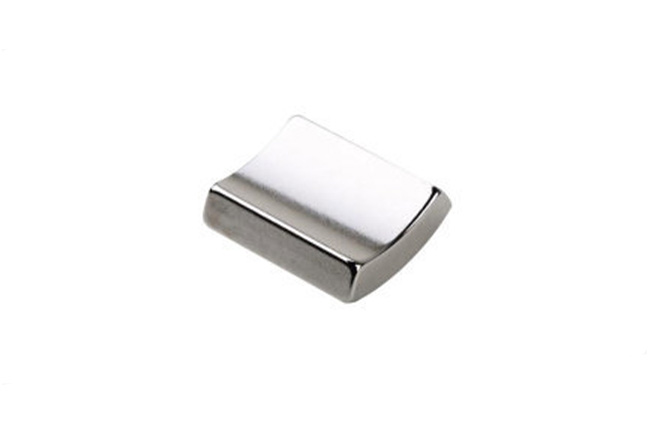
NdFeB magnets (neodymium-iron-boron) are known for offering the strongest magnetic performance among all commercial magnets. Their high magnetic energy density makes them ideal for compact designs requiring strong magnetic fields.
Ferrite Magnets
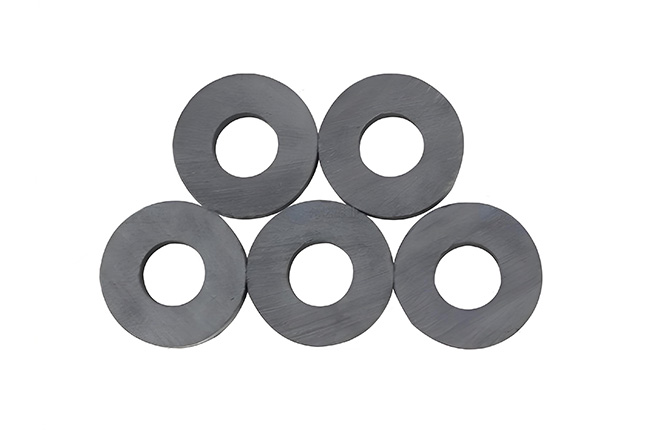
Ferrite magnets provide moderate magnetic strength compared to NdFeB. They are widely used in speakers, motors, and household devices where cost efficiency is important.
Samarium Cobalt Magnets
Samarium Cobalt Magnets offer excellent magnetic strength, though slightly weaker than top-grade NdFeB. Their stability makes them reliable in precision applications such as sensors, aerospace components, and high-temperature motors.
2. Temperature Resistance
Temperature stability is a major factor in magnet selection.
NdFeB Magnets
NdFeB magnets have good magnetic strength but can lose performance at high temperatures unless specially engineered with specific grades.
Ferrite Magnets
Ferrite magnets perform well under high temperatures compared to standard NdFeB. Their thermal stability makes them suitable for automotive components and consumer appliances.
Samarium Cobalt Magnets
Samarium Cobalt Magnets are known for excellent high-temperature resistance, maintaining magnetic properties across a wide temperature range. They are often used in demanding environments where reliability is critical.
3. Corrosion and Durability
NdFeB Magnets
NdFeB magnets are prone to corrosion due to their iron content and usually require coatings such as nickel, epoxy, or zinc.
Ferrite Magnets
Ferrite magnets are naturally corrosion-resistant and do not require special surface treatment, making them easy to use in humid environments.
Samarium Cobalt Magnets
Samarium Cobalt Magnets offer good corrosion resistance and are more stable than NdFeB, although they can be brittle and require careful handling.
4. Cost and Availability
NdFeB Magnets
NdFeB magnets tend to be more expensive due to their strong performance and complex production process, but they provide unmatched strength in compact formats.
Ferrite Magnets
Ferrite magnets are the most cost-effective option. Their raw materials are widely available, making them the preferred choice for mass-produced consumer products.
Samarium Cobalt Magnets
Samarium Cobalt Magnets are generally the most expensive of the three due to their material composition and high-performance characteristics.
5. Common Applications
NdFeB
Used in motors, generators, robotics, headphones, magnetic tools, and compact electronic products.
Ferrite
Found in speakers, refrigerator magnets, inductors, DC motors, and various consumer appliances.
Samarium Cobalt
Used in aerospace, military-grade components, high-temperature motors, sensors, and specialty instruments.
Conclusion
The differences between NdFeB, Ferrite, and Samarium Cobalt Magnets lie mainly in magnetic strength, temperature resistance, durability, and cost. NdFeB offers the strongest performance, Ferrite provides economical and corrosion-resistant solutions, and Samarium Cobalt Magnets deliver excellent stability under extreme temperatures. Understanding these distinctions helps engineers and manufacturers select the most suitable magnet type for long-term, reliable performance in diverse applications.
Topping
Contact

We will contact you within 24 hours. ( WhatsApp/facebook:+86 15957855637)