
The world of materials science has evolved rapidly, and one of the most fascinating achievements is the development of the strongest Permanent Magnet used in modern technology. These magnets may look simple on the surface, but the science that enables their exceptional strength is a combination of atomic physics, crystal engineering, and advanced manufacturing.
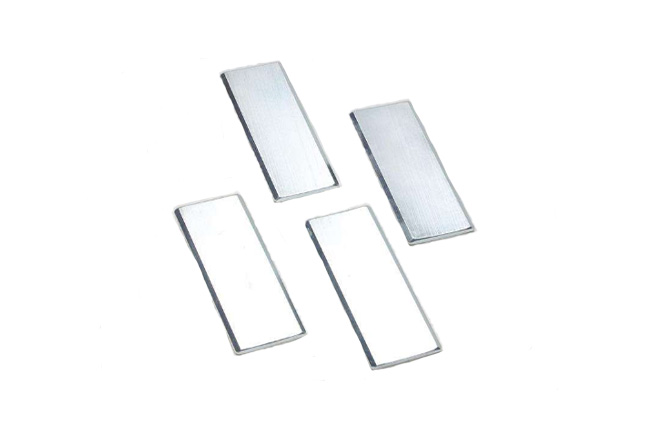
1. What Defines a Strong Permanent Magnet?
A Permanent Magnet is a material that maintains a stable magnetic field without requiring an external power source. Its strength is defined by several key properties:
Magnetic energy density (BHmax)
Coercivity, which determines resistance to demagnetization
Remanence, the magnet’s remaining magnetism after external fields are removed
The strongest Permanent Magnet used today is typically based on the NdFeB (neodymium-iron-boron) structure, which offers extremely high energy density.
2. The Atomic-Level Science Behind the Strength
The true power of a Permanent Magnet comes from the microscopic alignment of electron spins. In NdFeB-based magnets, atoms organize themselves in a crystal structure that naturally supports strong magnetic orientation.
Key scientific factors include:
1. Electron Spin Alignment
Electrons behave like tiny spinning magnets. Materials used to create strong permanent magnets have electrons that prefer to align in the same direction, producing a powerful magnetic moment.
2. Anisotropic Crystal Structure
The crystal lattice of Nd₂Fe₁₄B provides a “magnetic easy axis,” meaning electrons align more easily along one direction. This enhances the strength of the Permanent Magnet significantly.
3. High Magnetic Coercivity
Strong permanent magnets must resist external forces that try to reverse their magnetic direction. Microstructural engineering—such as adding grain boundary elements—helps increase coercivity.
4. Micro-Sized Magnetic Domains
A Permanent Magnet is not a single magnetic block. Instead, it contains many magnetic domains. When magnetized, these domains align, forming a stable and strong magnetic field.
3. What Makes NdFeB the Strongest Permanent Magnet?
Several reasons contribute to NdFeB being the world’s strongest Permanent Magnet:
Exceptional magnetic energy density
Compact size-to-strength ratio
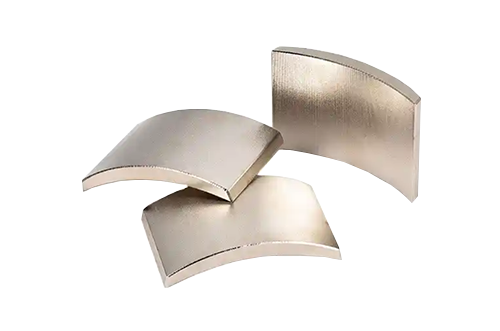
Ability to be shaped for advanced applications
High remanence enabling stable magnetic fields
Because of these strengths, industries rely heavily on NdFeB permanent magnets.
4. Where Are Strong Permanent Magnets Used?
The strongest Permanent Magnet plays a critical role across numerous advanced technologies:
Electric motors and generators where efficiency and torque density matter
Consumer electronics such as speakers, microphones, and camera modules
Medical systems including imaging devices and precision instruments
Industrial automation using magnetic sensors and couplings
Aerospace and robotics where compact strength is crucial
In all these applications, a Permanent Magnet enables powerful performance without increasing size or energy consumption.
5. Factors That Influence Magnet Performance
Even the strongest Permanent Magnet is affected by environmental and engineering factors:
Temperature changes can influence magnetic stability
Surface coatings protect against corrosion
Shape and geometry affect magnetic field distribution
Manufacturing method—sintered magnets generally offer higher strength than bonded versions
Careful material selection and engineering design ensure lasting performance.
Conclusion
The science behind the world’s strongest Permanent Magnet lies in electron spin alignment, crystal structure engineering, and advanced manufacturing techniques. These magnets play a vital role in modern technology by providing stable, compact, and powerful magnetic fields. As research continues, future innovations may push the limits even further, but the core principles behind a Permanent Magnet will remain a foundational part of magnetic science.
Topping
Contact

We will contact you within 24 hours. ( WhatsApp/facebook:+86 15957855637)