
An NdFeB Magnet is widely known for delivering exceptional magnetic strength in a compact size, making it a key component in motors, sensors, electronics, and precision equipment. However, despite its powerful magnetic properties, the NdFeB Magnet has one notable vulnerability: it is highly sensitive to corrosion. Understanding why corrosion resistance is so important helps engineers and manufacturers improve reliability, product lifespan, and long-term performance.
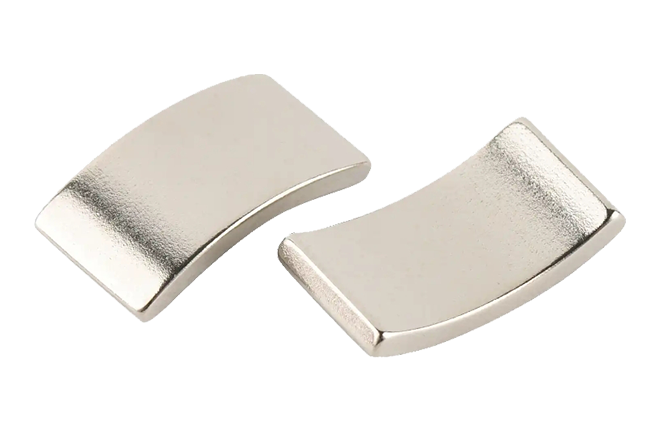
1. Why the NdFeB Magnet Is Prone to Corrosion
The core material of an NdFeB Magnet contains a significant amount of iron. While this composition contributes to strong magnetic energy, it also creates a natural tendency to oxidize when exposed to moisture, chemicals, or harsh environments.
Key reasons include:
High iron content, which rusts easily
Porous microstructure formed during sintering
Chemical instability in humid or salty environments
Without proper protection, these factors can cause the magnet’s surface to degrade, weaken, or crack.
2. How Corrosion Affects Magnetic Performance
Corrosion is more than a cosmetic issue—it directly affects the magnetic properties and structural stability of an NdFeB Magnet.
1. Loss of Magnetic Strength
When corrosion penetrates the surface, magnetic domains become disrupted, causing a gradual decrease in magnetic output.
2. Structural Damage
Severe oxidation can lead to surface pitting, microcracks, or complete disintegration of the magnet material.
3. Reduced Product Lifespan
Once corrosion begins, the NdFeB Magnet may fail prematurely, affecting the reliability of the entire device or system.
4. Demagnetization Risks
Chemical reactions caused by corrosion may alter the magnet’s internal composition, leading to irreversible demagnetization.
3. Solutions to Improve Corrosion Resistance
Because corrosion is such a critical factor, manufacturers apply various protective measures to ensure stability and long-term performance.
1. Surface Coatings
Common coatings include:
Nickel-Copper-Nickel (NiCuNi)
Epoxy coatings
Zinc plating
Phosphating for basic protection
These layers create a barrier between the NdFeB Magnet and external moisture.
2. Advanced Materials and Grades
Some magnet grades are engineered with specialized elements that increase corrosion resistance.
3. Hermetic Sealing
For harsh environments—such as marine, high-humidity, or automotive systems—encapsulation in stainless steel or polymer housings protects the magnet from direct exposure.
4. Anti-Corrosion Treatments
Heat treatments and surface densification techniques help reduce porosity and improve durability.
4. Industries Where Corrosion Resistance Matters Most
Corrosion-resistant design is essential in applications where the NdFeB Magnet is constantly exposed to challenging conditions:
Automotive motors and sensors
Outdoor devices and renewable energy equipment
Medical instruments requiring strict reliability
Consumer electronics that face moisture and daily wear
Industrial machinery operating in high-humidity environments
In these fields, any degradation in magnet performance can impact the entire system’s efficiency and safety.
Conclusion
Corrosion resistance is critical to ensuring that an NdFeB Magnet maintains its performance and longevity. Because of its high iron content and sensitive microstructure, the magnet must be protected through coatings, advanced materials, or sealing techniques to prevent oxidation. By prioritizing corrosion resistance, manufacturers can extend the life of NdFeB Magnet-based products and maintain reliable performance in demanding applications.
Topping
Contact

We will contact you within 24 hours. ( WhatsApp/facebook:+86 15957855637)