Sintered Neodymium-Iron-Boron (NdFeB) magnets are integral components in the development of high-efficiency electric motors. These powerful permanent magnets offer unique properties that have revolutionized motor design, enabling significant advancements in both energy performance and motor functionality. In this article, we will explore how sintered NdFeB magnets contribute to the efficiency of electric motors, highlighting their benefits, applications, and role in modern motor technologies.
1. Understanding Sintered NdFeB Magnets
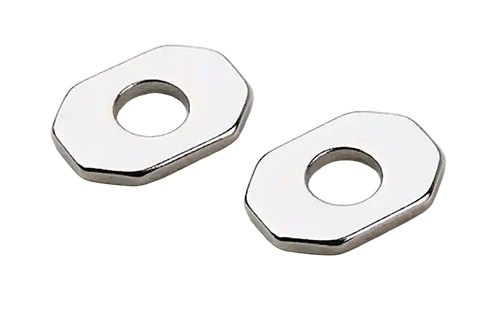
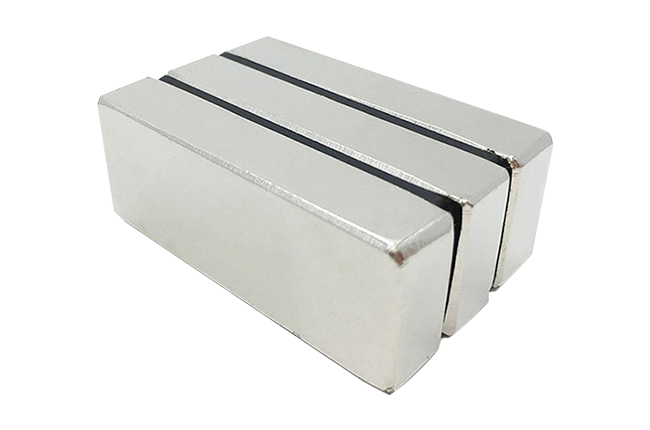
Sintered NdFeB magnets are made from a combination of neodymium (Nd), iron (Fe), and boron (B), which are processed under high pressure and temperature to form a dense, solid magnet. The sintering process involves compacting the raw materials into a powder form and then heating them to a high temperature, causing the particles to fuse into a strong, stable magnetic structure. This process results in a magnet with a very high magnetic strength, making NdFeB one of the most powerful types of permanent magnets available.
The strong magnetic field produced by sintered NdFeB magnets is what enables them to perform exceptionally well in various applications, including high-efficiency electric motors.
2. Enhanced Motor Efficiency with High-Strength Magnets
One of the primary benefits of sintered NdFeB magnets in electric motors is their ability to generate strong magnetic fields without requiring excessive amounts of energy. In traditional motors, the magnetic field is often generated by electromagnetic coils, which require a significant amount of current to produce the necessary strength. In contrast, NdFeB magnets can provide a high magnetic field with minimal input power, reducing energy losses and improving overall motor efficiency.
By using these high-performance magnets, electric motors can achieve better torque output, increased power density, and reduced power consumption. This leads to smaller and more efficient motors, which is particularly beneficial in applications such as electric vehicles (EVs), robotics, and energy-efficient appliances.
3. Smaller, Lighter, and More Compact Designs
Another advantage of sintered NdFeB magnets is their ability to significantly reduce the size and weight of electric motors. Because these magnets generate a strong magnetic field with a smaller volume, motors that use NdFeB magnets can be more compact and lightweight compared to motors that rely on traditional electromagnets. This reduction in size and weight is especially important in industries where space and weight are critical factors, such as in aerospace and automotive applications.
For example, in electric vehicles, lighter and more compact motors can help improve vehicle performance by reducing the overall weight, which in turn enhances battery life and driving range.
4. Improved Speed and Torque Performance
Sintered NdFeB magnets enable electric motors to operate at higher speeds while maintaining high torque output. The strong magnetic fields they generate allow for better control and precision in the motor's operation. As a result, motors using NdFeB magnets can achieve faster rotational speeds and deliver more consistent torque, which is crucial for applications that require high-speed and high-torque performance, such as power tools, industrial machinery, and HVAC systems.
This ability to deliver high torque at various speeds also makes NdFeB-equipped motors highly versatile, capable of adapting to a wide range of operational conditions.
5. Longevity and Durability
Sintered NdFeB magnets are not only efficient but also durable. Their resistance to demagnetization ensures that they maintain their magnetic strength over time, which contributes to the longevity of the motor. In addition, NdFeB magnets have excellent thermal stability, meaning they can function effectively in a wide range of temperatures without losing their magnetic properties.
This long-lasting performance makes them ideal for use in high-demand applications where motors are subjected to continuous operation, such as in industrial machinery, electric vehicles, and renewable energy systems. By reducing the need for frequent maintenance or replacement of motor components, NdFeB magnets contribute to the overall cost-effectiveness and reliability of electric motors.
6. Applications in High-Efficiency Motors
Sintered NdFeB magnets are widely used in various high-efficiency electric motor applications. Some of the most notable include:
Electric Vehicles (EVs): In EVs, NdFeB magnets are used to drive traction motors, providing the necessary power for propulsion while maximizing battery efficiency.
Renewable Energy Systems: NdFeB magnets are used in wind turbine generators and other renewable energy systems to improve energy conversion efficiency, ensuring that more power is generated from the same amount of wind or solar input.
Consumer Electronics: In smaller devices like air conditioners, refrigerators, and washing machines, NdFeB-powered motors help improve energy savings and reduce the overall environmental impact of these appliances.
Robotics: NdFeB magnets are essential in robots, where high torque and precise control are critical for performing complex tasks.
7. Environmental Impact and Sustainability
With growing concerns about sustainability and environmental impact, sintered NdFeB magnets offer a significant advantage over other types of magnets. Their high efficiency leads to reduced energy consumption and lower carbon emissions in applications such as electric vehicles and renewable energy systems.
Furthermore, advances in recycling technologies are helping to make the production of NdFeB magnets more sustainable. The recycling of rare-earth materials, including neodymium, has become an important aspect of the industry, ensuring that these powerful magnets remain an environmentally friendly option for the future.
Conclusion
Sintered NdFeB magnets play a pivotal role in enabling high-efficiency electric motors. Their ability to generate strong magnetic fields with minimal energy input, combined with their compact size, durability, and versatility, make them ideal for modern motor applications. As technology continues to evolve, the use of NdFeB magnets will likely expand, helping to create even more energy-efficient solutions for a wide range of industries.
From electric vehicles to renewable energy systems and industrial machinery, sintered NdFeB magnets are at the heart of innovations that drive efficiency, performance, and sustainability in electric motor design. By harnessing the full potential of these powerful magnets, we can look forward to a future with even more advanced and efficient technologies.
Topping
Contact

We will contact you within 24 hours. ( WhatsApp/facebook:+86 15957855637)