
Neodymium Iron Boron (NdFeB) magnets are the most widely used type of permanent magnets due to their strong magnetic properties and versatility in various applications. NdFeB magnets come in two main forms: sintered and bonded. While both types of magnets share the same core material, their manufacturing processes and the resulting physical properties are quite different. In this article, we will explore the differences between sintered and bonded NdFeB magnets, examining their production methods, characteristics, and typical applications.
1. Manufacturing Process
Sintered NdFeB Magnets:
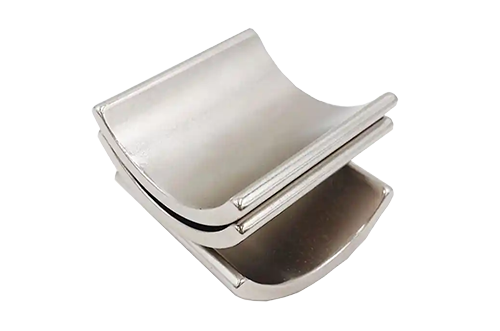
Sintered NdFeB magnets are produced using a powder metallurgy process. The process begins by melting a mixture of neodymium, iron, boron, and other elements to form an alloy. The alloy is then crushed into fine powder. This powder is subjected to high pressure and heated at a high temperature in a sintering furnace, a process called "sintering," where the powder particles fuse together to form a solid mass. After sintering, the magnets are cooled, cut into the desired shape, and magnetized.
Bonded NdFeB Magnets:
Bonded NdFeB magnets are made through a different process, often called compression bonding or injection molding. In this method, NdFeB powder is mixed with a polymer binder and then compressed or injected into molds. The result is a magnet that has a uniform density, is easy to shape, and maintains a good balance between magnetic strength and mechanical properties. Bonded magnets can be formed into intricate shapes and are typically produced in a more cost-effective manner compared to sintered magnets.
2. Magnetic Properties
Sintered NdFeB Magnets:
Sintered NdFeB magnets are known for their high magnetic strength and energy density. Because the sintering process allows the powder particles to align in a precise crystal structure, sintered magnets are able to achieve higher levels of magnetization and coercivity (resistance to demagnetization). This makes them ideal for high-performance applications where strong and stable magnetic fields are required. They also have higher maximum energy product (BHmax), which means they can produce more power for a given size.
3. Mechanical Properties
Sintered NdFeB Magnets:
Sintered magnets are brittle and can easily break or chip if not handled carefully. This is because the sintering process results in a dense, hard material with limited flexibility. As a result, sintered magnets are often used in environments where they are protected from physical damage or are housed within a protective casing. However, their superior magnetic properties often outweigh the mechanical drawbacks, especially in high-performance applications like motors, sensors, and generators.
Bonded NdFeB Magnets:
One of the key advantages of bonded NdFeB magnets is their mechanical toughness. The polymer binder used in the bonding process imparts additional flexibility and impact resistance to the magnets. Bonded magnets are less likely to break or chip under stress, making them ideal for applications where mechanical shock or vibration is a concern. Furthermore, they can be more easily formed into complex shapes, allowing for a wider range of designs.
4. Applications
Sintered NdFeB Magnets:
Due to their high magnetic performance, sintered NdFeB magnets are used in demanding applications such as:
Electric motors (especially in electric vehicles)
Wind turbines
Hard disk drives
Magnetic resonance imaging (MRI) machines
Magnetic separators
These applications require magnets that can generate powerful and stable magnetic fields over extended periods of time.
Bonded NdFeB Magnets:
Bonded NdFeB magnets, while not as powerful as sintered magnets, find use in a variety of applications where shape flexibility, moderate magnetic strength, and mechanical durability are more important than extreme magnetic performance. Some common applications include:
Sensors
Small motors (like those in power tools or household appliances)
Magnetic assemblies (e.g., speakers, headphones)
Automotive components (like sensors and actuators)
Bonded magnets are also often used in industries where production efficiency and cost-effectiveness are essential.
5. Cost Comparison
Sintered NdFeB Magnets:
The manufacturing process for sintered magnets is more complex and requires higher energy consumption due to the high-temperature sintering process. As a result, sintered NdFeB magnets tend to be more expensive than bonded magnets. However, the high magnetic performance justifies the higher cost in many industrial applications.
Bonded NdFeB Magnets:
Bonded magnets are generally cheaper to produce, especially when produced in high volumes. The injection molding or compression bonding process is less energy-intensive and allows for more cost-effective mass production. This makes bonded NdFeB magnets more economical for applications where high magnetic strength is not the primary requirement.
6. Conclusion
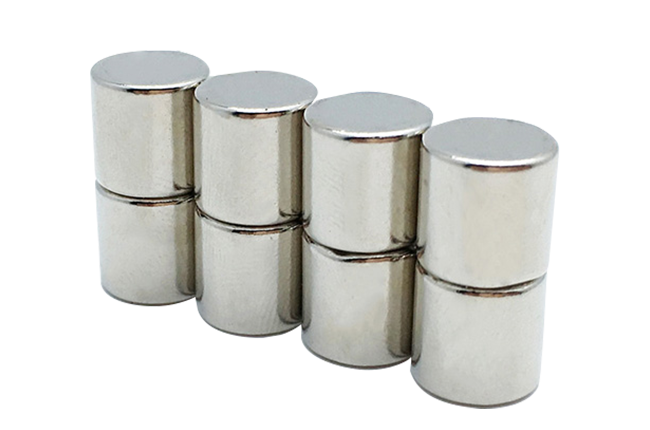
In summary, sintered NdFeB magnets offer superior magnetic properties, making them the ideal choice for high-performance applications where magnetic strength is critical. They are, however, more brittle and expensive to produce. On the other hand, bonded NdFeB magnets offer a more cost-effective solution with improved mechanical properties, though they come with lower magnetic performance. The choice between sintered and bonded NdFeB magnets depends on the specific requirements of the application, including factors like magnetic strength, mechanical properties, production cost, and design flexibility.
Both types of magnets have their unique advantages, and understanding these differences helps in selecting the right magnet for any given project.
Topping
Contact

We will contact you within 24 hours. ( WhatsApp/facebook:+86 15957855637)