
While the neodymium magnet is celebrated as a marvel of modern materials science—powering everything from electric vehicle motors to high-fidelity headphones—industry experts are increasingly highlighting the significant challenges associated with these "super magnets."
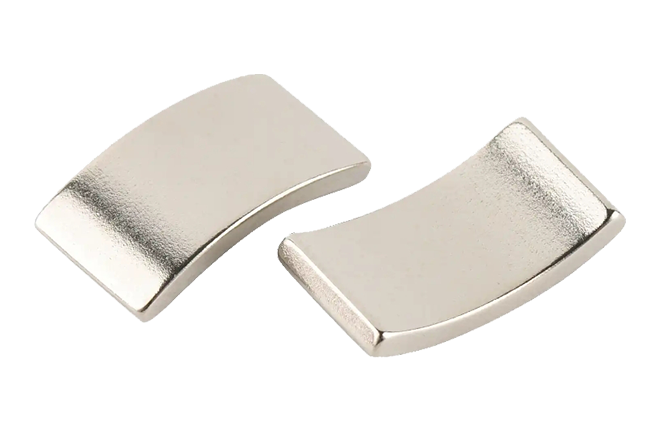
As global demand for high-performance magnets surges, engineers and manufacturers are being forced to grapple with the inherent limitations of these materials. While their magnetic strength is unrivaled, the neodymium magnet possesses several "Achilles' heels" that can lead to catastrophic failure if not properly managed.
The Heat Vulnerability: A Major Engineering Hurdle
Perhaps the most critical disadvantage of a neodymium magnet is its extreme sensitivity to temperature. Unlike other types of magnets, such as samarium-cobalt, neodymium-based alloys lose their magnetic properties relatively quickly as they heat up.
Standard grades of these magnets may begin to lose their strength at temperatures as low as 80°C (176°F). If the temperature reaches a specific threshold known as the Curie point, the magnetic loss becomes permanent. This thermal instability requires engineers to implement complex cooling systems in high-performance machinery, adding weight, cost, and complexity to the overall design.
The Corrosion Crisis
Neodymium is a chemically active element. In its raw form, a neodymium magnet is highly susceptible to oxidation. If left uncoated and exposed to humid air, these magnets will literally "rust" from the inside out, eventually turning into a useless powder.
To combat this, manufacturers must apply protective layers—usually nickel, copper, or epoxy. However, if this thin coating is scratched or chipped, the underlying material begins to corrode immediately. This makes them less than ideal for long-term use in harsh underwater or highly acidic environments without specialized, expensive enclosures.
Physical Fragility: Strong but Brittle
Despite their "super" strength, these magnets are surprisingly delicate. A neodymium magnet is not a solid piece of metal like steel; it is a sintered material, meaning it is more akin to a ceramic.
Because they are so brittle, they can crack, chip, or even shatter upon impact. This poses a significant safety risk during the assembly of large industrial components. If two large magnets snap together unexpectedly, the force is often enough to cause them to explode into sharp fragments, which can cause injury or damage nearby electronic components.
Environmental and Supply Chain Ethics
The challenges of the neodymium magnet extend beyond physical properties into the realm of global sustainability. The extraction and refining of neodymium—a rare earth element—is an energy-intensive process that can result in significant environmental degradation if not strictly regulated.
Furthermore, the supply chain for rare earth elements is highly concentrated in specific geographic regions. This concentration creates price volatility and supply risks for manufacturers in the automotive and renewable energy sectors, leading many companies to research "heavy-rare-earth-free" alternatives to reduce their dependency.
Conclusion
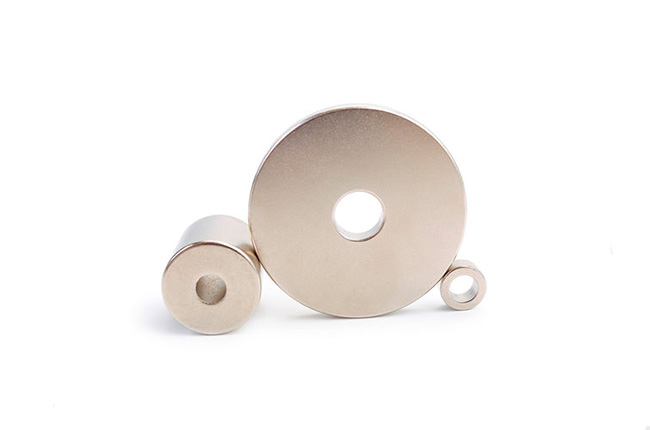
Despite these drawbacks, the neodymium magnet remains irreplaceable for many high-tech applications due to its sheer power-to-weight ratio. The current focus of the industry is not necessarily on replacing them, but on innovating new alloys and coating techniques to mitigate these well-known weaknesses.
Topping
Contact

We will contact you within 24 hours. ( WhatsApp/facebook:+86 15957855637)