In the modern industrial and consumer landscape, the Neodymium Magnet (also known as NdFeB, NIB, or Neo magnet) has become an indispensable component. From the motors of electric vehicles to high-fidelity audio equipment and sophisticated medical devices, these rare-earth magnets provide unparalleled magnetic strength in compact sizes. However, with this incredible power comes a significant set of safety risks that users, manufacturers, and hobbyists must understand to prevent serious injury or property damage.
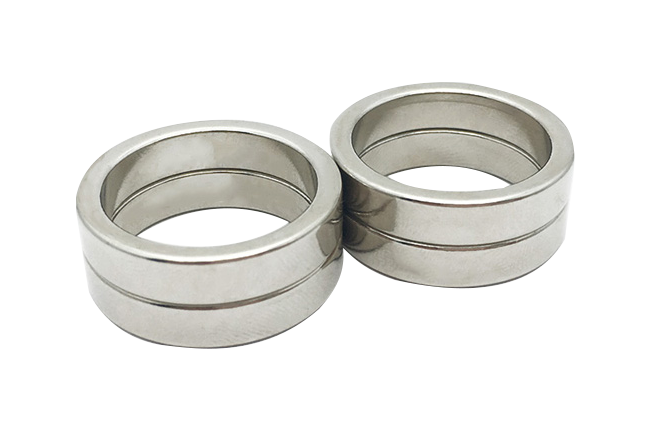
As the demand for high-performance magnetic solutions continues to grow, industry experts are emphasizing the importance of rigorous handling protocols. This guide outlines the critical safety considerations for managing a Neodymium Magnet effectively.
The Power of Attraction: Physical Hazards
The most immediate danger posed by a Neodymium Magnet is its sheer physical force. Unlike common ceramic magnets, two large neodymium magnets can jump toward each other from several inches away with enough acceleration to shatter on impact or crush human tissue.
Pinching and Crushing
When handling large magnets, the risk of "pinch" injuries is high. If a finger or limb is caught between two attracting magnets, or between a magnet and a ferrous metal surface, the pressure can result in deep bruising, bone fractures, or even more severe trauma. It is recommended that heavy-duty gloves and eye protection be worn whenever working with magnets larger than a few centimeters.
Shattering and Flying Debris
Neodymium magnets are made through a process of sintering, which makes them quite brittle. If two magnets snap together violently, they are likely to chip or shatter into sharp, needle-like fragments. These shards can fly at high speeds, posing a significant risk to the eyes.
Medical and Electronic Interference
Because a Neodymium Magnet produces an exceptionally deep and powerful magnetic field, it can interact with objects and devices from a distance.
Pacemakers and ICDs: The most critical safety concern involves medical implants. Strong magnetic fields can deactivate or reset pacemakers and implantable cardioverter-defibrillators (ICDs). Individuals with these devices must maintain a safe distance—typically at least 12 inches—from powerful magnets.
Electronic Data and Hardware: While modern Solid State Drives (SSDs) are less susceptible, traditional mechanical hard drives, credit cards with magnetic strips, and older CRT monitors can be permanently damaged or wiped by proximity to a strong magnetic field.
The Danger of Ingestion
Perhaps the most insidious risk involves small Neodymium Magnet spheres or "desk toys." If a child or pet swallows more than one magnet, the magnets can attract each other through the walls of the stomach or intestines. This "pinching" effect can lead to perforations, sepsis, and life-threatening internal injuries that require emergency surgery.
Public health agencies globally have issued warnings regarding these products, emphasizing that they should never be treated as toys and must be kept strictly out of reach of children.
Environmental and Fire Risks
Neodymium magnets are sensitive to temperature and environment. If heated beyond their maximum operating temperature (which varies by grade but often starts around 80°C or 176°F), they can permanently lose their magnetic strength.
Furthermore, the dust or powder created by grinding or machining a Neodymium Magnet is highly flammable. In an industrial setting, any machining must be done under specialized cooling and ventilation to prevent spontaneous combustion of the magnetic particles.
Best Practices for Safe Handling
To ensure safety while maximizing the utility of these powerful tools, follow these standard operating procedures:
Use Spacers: When storing multiple magnets, always keep non-magnetic spacers (like plastic or wood) between them to make separation easier and safer.
The Slide Method: Never try to pull two strong magnets apart directly. Instead, slide one magnet off the stack horizontally.
Secure Storage: Store magnets in a closed, non-ferrous container and clearly label it with a magnetic warning sign.
Work Surface Awareness: Ensure your workspace is free of loose metal tools (like screwdrivers or pliers) that could be suddenly drawn toward the magnet.
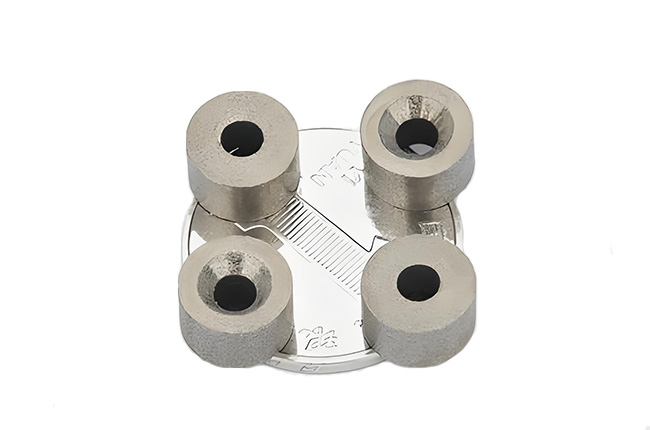
As Neodymium Magnet technology continues to evolve, staying informed about handling procedures is the best way to harness their power without compromise. By respecting the physical laws that make these magnets so effective, users can ensure a safe and productive environment.
Topping
Contact

We will contact you within 24 hours. ( WhatsApp/facebook:+86 15957855637)