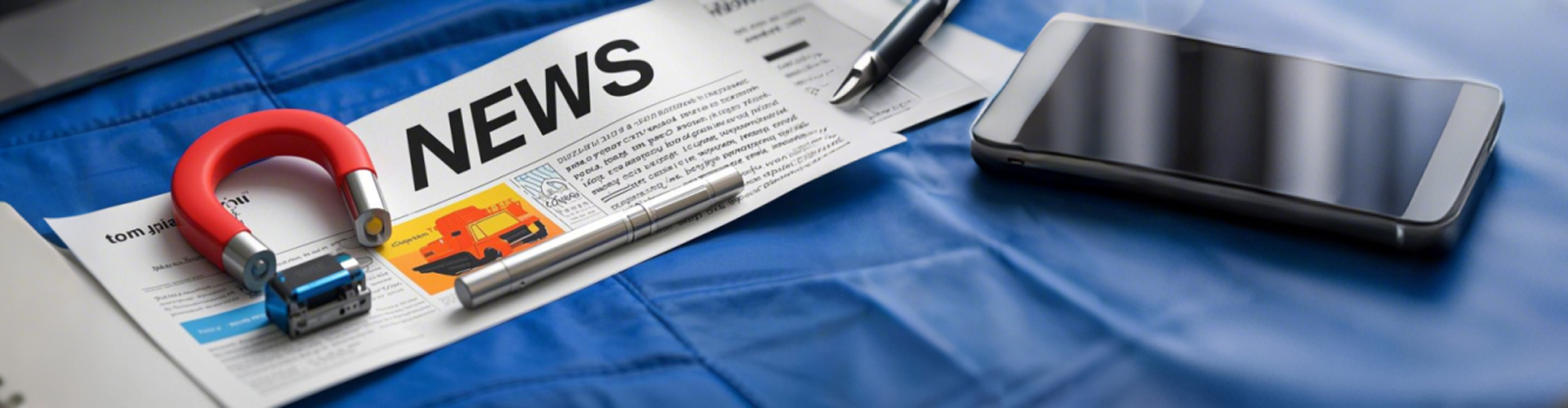
In the rapidly evolving landscape of 21st-century technology, some of the most critical breakthroughs are powered by components that remain entirely invisible to the average consumer. Among these, neodymium-iron-boron magnets (also known as NdFeB or "super magnets") have emerged as the undisputed heavyweight champions of the magnetic world.
As the world shifts toward a more electrified and automated future, the demand for these high-performance materials is reaching unprecedented levels. But what exactly makes them so special, and where are they hiding in our daily lives?
The Architecture of a Super Magnet
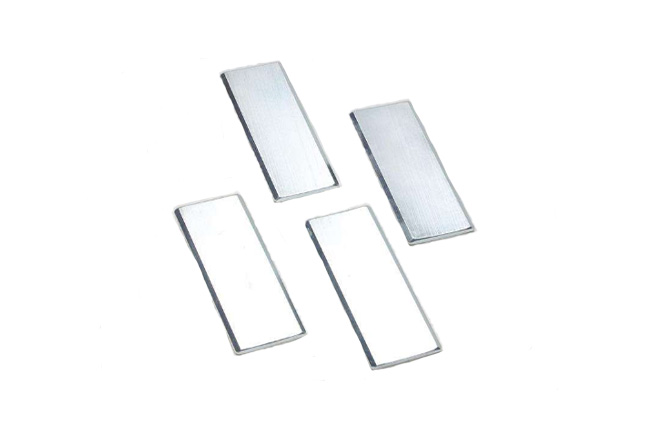
Neodymium-iron-boron magnets are a type of rare-earth magnet made from an alloy of neodymium, iron, and boron. They are currently the strongest type of permanent magnet commercially available, capable of lifting thousands of times their own weight. This incredible strength-to-size ratio is what allows engineers to create smaller, lighter, and more efficient devices.
Powering the Green Revolution: EVs and Wind Energy
The most significant driver of the recent surge in the use of neodymium-iron-boron magnets is the global transition to renewable energy.
Electric Vehicles (EVs): In the automotive sector, these magnets are the "heart" of the traction motors. Their high magnetic flux allows EV motors to provide high torque and efficiency, which directly translates to longer driving ranges and better performance for consumers.
Wind Turbines: In the energy sector, direct-drive wind turbines utilize massive quantities of NdFeB magnets. These magnets allow turbines to generate electricity at lower wind speeds without the need for a heavy, maintenance-prone gearbox, making offshore wind farms more viable.
Consumer Electronics: Shrinking Our World
If you are reading this on a smartphone or a laptop, you are likely holding neodymium-iron-boron magnets right now. Because these magnets are so powerful even at microscopic sizes, they have revolutionized personal electronics:
Audio Equipment: From high-end headphones to the tiny speakers in your phone, NdFeB magnets provide the clarity and volume we’ve come to expect.
Hard Disk Drives (HDDs): While SSDs are common, traditional hard drives still rely on these magnets to move the actuator arm that reads and writes data with extreme precision.
Haptic Feedback: The subtle vibrations and "taps" you feel when interacting with a touchscreen are often generated by tiny linear actuators powered by these magnets.
Healthcare and Industrial Automation
Beyond consumer tech, the medical field relies heavily on the unique properties of these materials. Magnetic Resonance Imaging (MRI) machines use powerful magnetic fields to create detailed images of the human body; while many use superconducting magnets, smaller specialized MRI units often utilize high-grade neodymium magnets.
In factories, the rise of "Industry 4.0" is fueled by robotics. The precision motors that allow robotic arms to move with sub-millimeter accuracy are almost exclusively dependent on the consistent performance of neodymium-iron-boron magnets.
A Sustainable Future
As the world focuses on sustainability, the industry is now looking toward better recycling methods for these rare-earth materials. Modern research is focused on "closing the loop," ensuring that the magnets used in today's computers and cars can be harvested and reused in tomorrow's wind turbines.

The versatility of neodymium-iron-boron magnets ensures that they will remain at the forefront of industrial and technological progress for decades to come. They are, quite literally, the force pulling us into the future.
Topping
Contact

We will contact you within 24 hours. ( WhatsApp/facebook:+86 15957855637)