
NEW YORK — In an era defined by the rapid evolution of green energy and high-tech electronics, rare earth magnets have become the silent workhorses of modern industry. From the motors in electric vehicles to the turbines in wind farms, these incredibly strong components are often labeled as "permanent." However, a recurring question for engineers and hobbyists alike remains: Do rare earth magnets eventually lose their power?
The short answer is yes—but under normal operating conditions, the process is so slow that they are effectively permanent.
The Science of Longevity
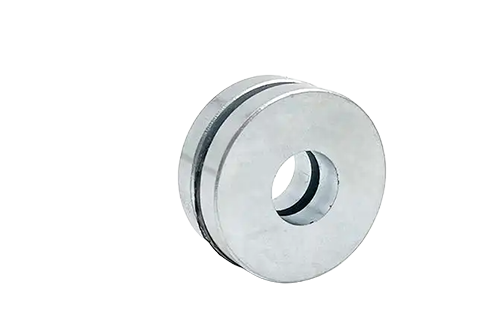
Rare earth magnets, primarily Neodymium (NdFeB) and Samarium-Cobalt (SmCo), are prized for their high coercivity, which is their resistance to demagnetization. Unlike traditional Alnico or Ferrite magnets, these advanced alloys maintain their magnetic alignment with remarkable tenacity.
Research indicates that a high-quality Neodymium magnet will lose only about 1% of its magnetic flux every ten years. At this rate, it would take centuries for a magnet to lose enough strength to become ineffective, provided it is shielded from specific environmental stressors.
The "Magnet Killers": Why Strength Fails
While these magnets are durable, they are not invincible. There are three primary factors that can lead to a significant loss of magnetism:
1. Excessive Heat
Temperature is the greatest enemy of any magnet. Every magnetic material has a specific "Curie temperature"—the point at which its internal magnetic domains become so agitated by heat that they lose their alignment.
If a Neodymium magnet is heated beyond its maximum operating temperature (often starting around 80°C or 176°F for standard grades), it will begin to lose strength. If it reaches its Curie temperature (approx. 310°C), the loss becomes permanent.
2. Physical Corrosion
Neodymium magnets contain high amounts of iron, making them highly susceptible to oxidation. If the protective plating (usually nickel or epoxy) is chipped or scratched, moisture can seep in. The resulting "magnet rot" breaks down the metallic structure, effectively neutralizing the magnetic field as the material turns into powder.
3. External Magnetic Fields
Exposing rare earth magnets to an extremely powerful, opposing magnetic field can "force" the internal domains to flip or scramble. While it takes a massive amount of force to demagnetize a rare earth magnet this way, it is a common factor in industrial settings where large electrical surges occur.
Samarium-Cobalt: The High-Heat Alternative
For industries where heat is unavoidable—such as aerospace or high-performance automotive engineering—Samarium-Cobalt is often the preferred choice. While slightly less powerful than Neodymium at room temperature, SmCo magnets have a much higher Curie temperature and superior resistance to corrosion, ensuring they retain their magnetism in the harshest environments on Earth.
The Verdict
For the average consumer, a rare earth magnet will outlast the device it powers. Whether it is inside your smartphone or your refrigerator door, the magnetic pull you feel today will likely remain virtually unchanged for the rest of your life. As long as you keep them cool, dry, and away from massive electrical coils, their "permanent" status is well-deserved.
Topping
Contact

We will contact you within 24 hours. ( WhatsApp/facebook:+86 15957855637)