
NdFeB magnets, also known as neodymium magnets, are the strongest type of permanent magnets available today. The name NdFeB comes from their main components: neodymium (Nd), iron (Fe), and boron (B). These magnets are widely used in modern technology due to their exceptional magnetic strength, compact size, and high efficiency.
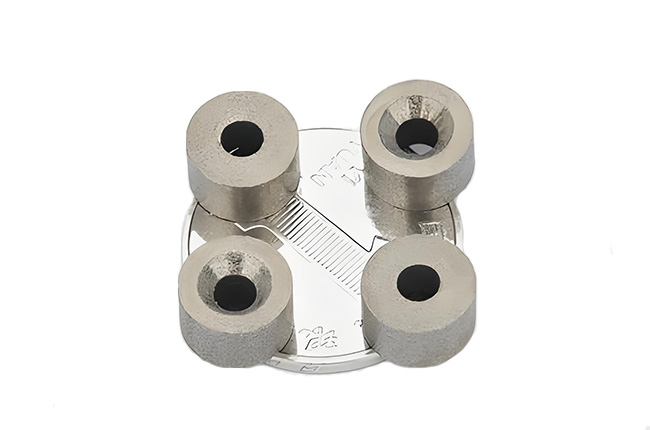
Composition of NdFeB Magnets
NdFeB magnets are primarily composed of:
Neodymium (Nd): A rare earth element that provides strong magnetic properties
Iron (Fe): Contributes high magnetic energy
Boron (B): Stabilizes the crystal structure and improves magnetic performance
The typical chemical formula of NdFeB magnets is Nd₂Fe₁₄B, which forms the key magnetic phase responsible for their superior strength.
Key Characteristics of NdFeB Magnets
1. Extremely High Magnetic Strength
NdFeB magnets have the highest maximum energy product (BHmax) of all permanent magnets. This means they can generate very strong magnetic fields while remaining small and lightweight.
2. Compact Size and High Efficiency
Because of their strength, NdFeB magnets allow manufacturers to:
Reduce the size of motors and generators
Lower material usage
Improve energy efficiency
This makes them ideal for applications where space and weight are limited.
3. Good Resistance to Demagnetization
NdFeB magnets exhibit high coercivity, which allows them to resist demagnetization under normal operating conditions. Advanced grades can maintain performance even at elevated temperatures.
4. Customizable Magnetic Grades
NdFeB magnets are available in many grades, such as N35, N42, N52, and high-temperature grades like H, SH, UH, and EH. These grades allow engineers to select magnets based on strength and temperature requirements.
Common Applications of NdFeB Magnets
NdFeB magnets are used across many industries, including:
Electric vehicles (EVs) and hybrid cars
Wind turbines and renewable energy systems
Consumer electronics such as smartphones and headphones
Industrial motors and generators
Medical equipment, including MRI components
Robotics and automation systems
Their high performance enables modern technology to be smaller, lighter, and more powerful.
Advantages of NdFeB Magnets
Strongest permanent magnetic material available
High energy density
Enables miniaturization of devices
Wide range of grades and coatings
Cost-effective for high-performance applications
Limitations of NdFeB Magnets
Despite their advantages, NdFeB magnets also have some limitations:
Lower corrosion resistance without surface coatings
Reduced performance at high temperatures compared to some other magnet types
Brittle material, requiring careful handling
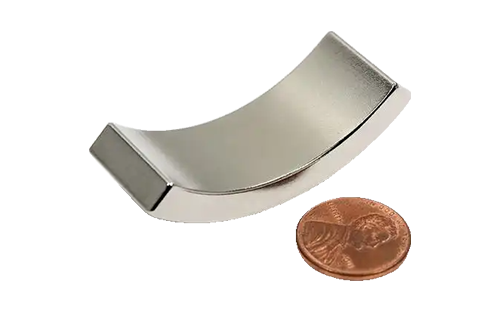
To address these issues, NdFeB magnets are often coated with nickel, zinc, epoxy, or other protective layers.
Conclusion
NdFeB magnets are a critical material in modern engineering and technology. With unmatched magnetic strength, compact size, and wide applicability, they play a vital role in electric vehicles, renewable energy, electronics, and industrial systems. Although they require protective coatings and careful design, their advantages far outweigh their limitations.
As demand for high-efficiency and sustainable technologies continues to grow, NdFeB magnets will remain one of the most important permanent magnetic materials in the world.
Topping
Contact

We will contact you within 24 hours. ( WhatsApp/facebook:+86 15957855637)