
Neodymium metal is best known for its role in creating the strongest permanent magnets available today. These neodymium magnets are widely used in modern technology, from electric vehicles and wind turbines to consumer electronics and medical devices. Understanding the science behind neodymium metal’s strong magnetic properties requires exploring its atomic structure, electron behavior, and how it interacts with other elements to form high-performance magnetic materials.
What Is Neodymium Metal?
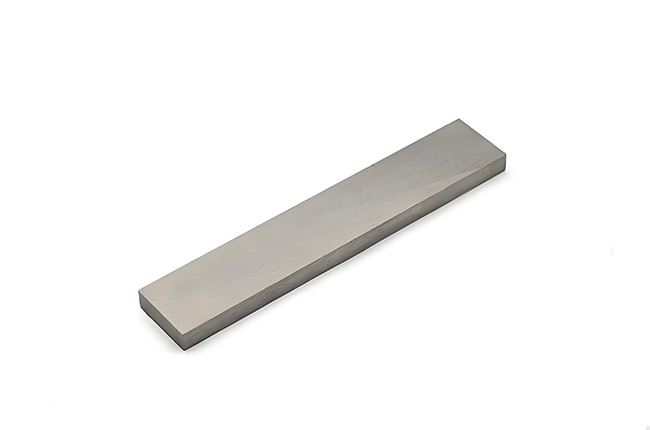
Neodymium is a rare earth element with the chemical symbol Nd and atomic number 60. Although classified as a rare earth metal, neodymium is relatively abundant in the Earth’s crust compared to precious metals. On its own, pure neodymium metal is soft and reactive, but its true value emerges when it is alloyed with iron and boron to form NdFeB (neodymium-iron-boron) magnets.
Atomic Structure and Electron Configuration
The exceptional magnetic strength of neodymium metal originates at the atomic level. Neodymium atoms have unpaired electrons in their 4f orbital. These unpaired electrons create strong magnetic moments because each electron behaves like a tiny magnet.
In many materials, these magnetic moments cancel each other out. However, in neodymium-based alloys, the magnetic moments of individual atoms align in the same direction, reinforcing one another. This alignment is a key reason why neodymium contributes so effectively to strong magnetism.
Role of 4f Electrons in Magnetism
Unlike outer-shell electrons, neodymium’s 4f electrons are shielded by outer electron layers. This shielding allows the 4f electrons to maintain stable magnetic moments, even under external influences such as heat or mechanical stress. As a result, magnets containing neodymium can retain their magnetism for long periods and operate reliably in demanding environments.
This stability is crucial for applications where consistent magnetic performance is required, such as motors, generators, and precision instruments.
Neodymium-Iron-Boron (NdFeB) Magnets
Neodymium metal alone is not used as a magnet. Instead, it is combined with iron and boron to form NdFeB magnets. Each element plays a specific role:
Neodymium provides strong magnetic anisotropy, meaning it helps lock magnetic moments in a specific direction.
Iron contributes high magnetic strength.
Boron improves the crystal structure, enhancing overall stability.
The resulting crystal lattice creates a material with extremely high magnetic energy density. This is why neodymium magnets are much smaller and lighter than traditional ferrite or alnico magnets while delivering far greater magnetic force.
Magnetic Anisotropy and Coercivity
Two important magnetic properties explain neodymium metal’s effectiveness: magnetic anisotropy and coercivity.
Magnetic anisotropy refers to the tendency of magnetic moments to align along a preferred direction. Neodymium has very high anisotropy, which helps maintain strong magnetization.
Coercivity is the resistance of a magnet to demagnetization. Neodymium-based magnets have high coercivity, meaning they are difficult to demagnetize even in strong opposing magnetic fields.
These properties make neodymium magnets ideal for compact, high-performance applications.
Why Neodymium Magnets Are So Strong
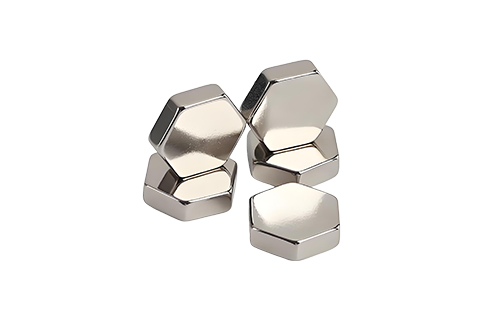
The strength of neodymium magnets comes from the combination of atomic-level magnetic moments, strong electron alignment, and an optimized crystal structure. This synergy allows neodymium magnets to generate magnetic fields far stronger than those produced by conventional magnetic materials of similar size.
Because of this strength, engineers can design smaller, more efficient devices without sacrificing performance.
Conclusion
The science behind neodymium metal’s strong magnetic properties lies in its unique electron configuration, particularly the behavior of its 4f electrons, and its ability to form powerful alloys like neodymium-iron-boron. Through high magnetic anisotropy, strong coercivity, and stable atomic alignment, neodymium has become a cornerstone of modern magnetic technology. As demand for efficient and compact devices continues to grow, neodymium metal will remain a critical material in advancing innovation across multiple industries.
Topping
Contact

We will contact you within 24 hours. ( WhatsApp/facebook:+86 15957855637)