
To create a magnet, one must understand the invisible forces of physics that align atoms to create a magnetic field. Whether you are looking for a simple DIY project or curious about industrial manufacturing, the process is a fascinating blend of science and practical application.
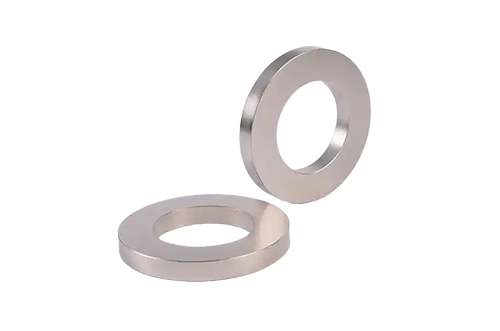
Here is a comprehensive guide on how to create a magnet from scratch.
1. The Physics of Magnetism
At the atomic level, magnetism is caused by the motion of electrons. In most materials, these electron spins point in random directions, canceling each other out. To create a magnet, you must force these "atomic magnets" (called domains) to align in the same direction.
Types of Magnets
Temporary Magnets: Act like magnets only when near a strong magnetic field (e.g., a paperclip).
Permanent Magnets: Retain their magnetism for long periods (e.g., refrigerator magnets).
Electromagnets: Created using an electric current; they can be turned on and off.
2. Method 1: The Friction Method (DIY)
The simplest way to create a temporary magnet is through contact or friction. This is often called "magnetizing by induction."
What you need:
A strong "master" magnet (Neodymium is best).
A piece of ferromagnetic metal (a steel nail or a needle).
Steps:
Hold the steel nail in one hand.
Rub the master magnet along the nail in one direction only. Do not rub back and forth.
Lift the magnet off the nail after each stroke and repeat the process about 50 times.
The friction aligns the domains inside the nail, turning it into a functional magnet.
3. Method 2: Creating an Electromagnet
This is the most powerful way to create a magnet at home using basic electrical components.
Components:
A large iron nail.
Insulated copper wire.
A battery (9V or D-cell).
Steps:
Wrap the Wire: Coil the copper wire tightly around the iron nail. The more turns you make, the stronger the magnetic field will be.
Strip the Ends: Remove the insulation from both ends of the wire.
Connect to Power: Attach one end to the positive terminal of the battery and the other to the negative terminal.
The Result: The electric current creates a magnetic field. The iron nail concentrates this field, becoming a powerful temporary magnet.
4. Method 3: Industrial Manufacturing
Permanent magnets like those used in speakers or hard drives are made through a process called Sintering.
Alloying: Manufacturers melt a mixture of metals (like Neodymium, Iron, and Boron).
Pressing: The mixture is ground into a fine powder and pressed into a mold while being exposed to a massive magnetic field.
Heating: The material is heated (sintered) to fuse the particles together without melting them completely.
Final Magnetization: The finished shape is placed into a "magnetizer" coil that delivers a high-voltage pulse, locking the domains into a permanent magnet state.
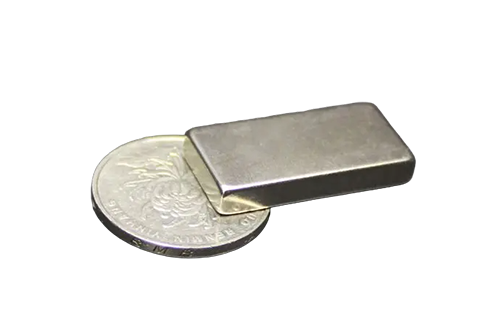
Conclusion: The Power of Alignment
Understanding how a magnet is created reveals the incredible order found in the natural world. From the simple act of rubbing a needle to the complex industrial sintering of rare-earth elements, the goal remains the same: achieving atomic alignment. Whether for a school science project or high-tech engineering, the ability to harness the power of a magnet continues to be one of humanity's most important technological achievements.
Topping
Contact

We will contact you within 24 hours. ( WhatsApp/facebook:+86 15957855637)