
Neodymium magnets are known as the strongest permanent magnets available today. They are widely used in motors, electronics, medical equipment, renewable energy systems, and industrial applications. With so many advantages, it is easy to assume they are the perfect magnet. However, like any high-performance material, neodymium magnets come with several real limitations and problems that users should understand before using them.
So, what is the problem with neodymium magnets? The answer is not one single issue, but a combination of mechanical, thermal, safety, and environmental challenges.
They Are Very Brittle
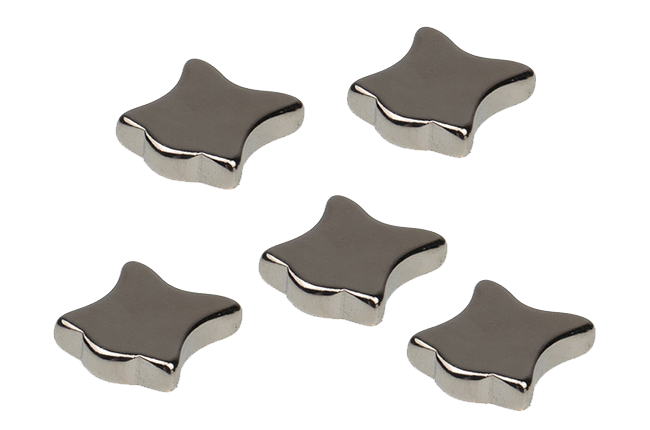
One of the most common problems with neodymium magnets is brittleness. Although they are extremely strong magnetically, they are physically fragile. Neodymium magnets are made from a hard, ceramic-like material that does not bend under stress.
If two magnets snap together or a magnet is dropped onto a hard surface, it can chip, crack, or shatter. In simple terms, they are powerful, but they are not tough.
They Can Be Dangerous if Handled Improperly
Neodymium magnets produce very strong magnetic forces. This strength can cause safety problems:
Fingers can be pinched or injured
Magnets can snap together unexpectedly
Broken pieces can fly off after impact
Large neodymium magnets are especially risky in industrial environments. Without proper handling procedures, accidents can happen fast.
Poor Resistance to High Temperatures
Another problem with neodymium magnets is limited heat resistance. Standard grades begin to lose magnetism when exposed to high temperatures. If overheated, the loss can be permanent.
For applications involving motors, generators, or high-temperature environments, special high-temperature grades are required. Otherwise, the magnet may fail over time.
Susceptibility to Corrosion
Neodymium magnets are also highly prone to corrosion, especially in humid or wet environments. The base material oxidizes easily when exposed to air and moisture.
To solve this, most neodymium magnets are coated with materials such as nickel, zinc, or epoxy. If the coating is damaged, corrosion can spread quickly, reducing both strength and lifespan.
Environmental and Supply Chain Concerns
Neodymium magnets rely on rare earth elements, which come with environmental and geopolitical challenges. Mining and processing rare earth materials can cause environmental damage if not properly managed.
In addition, global supply chains for rare earth materials are limited and sensitive to market changes, which can lead to price fluctuations and availability issues.
Strong Magnetic Interference
Because neodymium magnets are so strong, they can interfere with:
Electronic devices
Credit cards and magnetic storage
Medical implants such as pacemakers
This makes them unsuitable for certain environments unless strict safety distances are maintained.
Cost Compared to Other Magnets
Neodymium magnets are more expensive than ferrite or Alnico magnets. While the cost is often justified by their performance, it can be a problem for low-budget or large-scale applications where extreme magnetic strength is not required.
Conclusion
So, what is the problem with neodymium magnets?
They are brittle, sensitive to heat, prone to corrosion, potentially dangerous if mishandled, and dependent on rare earth materials. None of these issues make them bad magnets, but they do mean that neodymium magnets are not suitable for every application.
In short, neodymium magnets are amazing when used correctly. Just don’t treat them like ordinary metal parts. Handle them carefully, design around their limits, and they will perform exactly as expected.
Topping
Contact

We will contact you within 24 hours. ( WhatsApp/facebook:+86 15957855637)