
Neodymium magnets are often described as the strongest magnets in the world, and in terms of pure magnetic force, that statement is largely true. Because of this reputation, many people assume that neodymium magnets are always the best option. However, when we ask the question “What is a better magnet than neodymium?”, the answer depends on what “better” actually means.
In real-world applications, a magnet can be considered better if it performs more reliably under heat, lasts longer, resists corrosion, or offers greater mechanical durability.
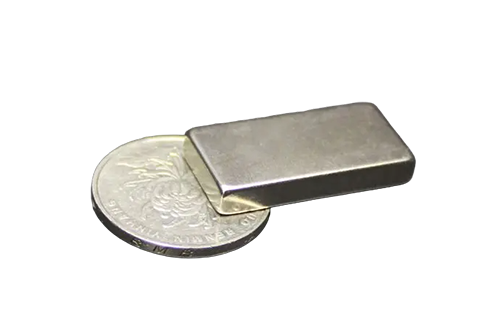
When Neodymium Is Not the Best Option
Neodymium magnets excel in strength, but they also have well-known limitations. They are brittle, sensitive to high temperatures, and prone to corrosion if not properly coated. In harsh environments, these weaknesses can outweigh their magnetic advantages.
This is where other types of magnets may outperform neodymium magnets.
Samarium Cobalt: A Strong Alternative for Harsh Conditions
Samarium cobalt (SmCo) magnets are often considered the best alternative to neodymium magnets. While they are slightly weaker in magnetic strength, they offer major advantages in other areas.
Samarium cobalt magnets perform extremely well at high temperatures and maintain stable magnetism even in demanding environments. They also have excellent resistance to corrosion and oxidation, often requiring no protective coating at all.
In industries such as aerospace, defense, and high-temperature motors, samarium cobalt magnets are often a better choice. They may not be the strongest on paper, but they are reliable where neodymium magnets can fail.
Alnico Magnets: Better for Temperature Stability
Alnico magnets, made from aluminum, nickel, and cobalt, are another alternative that can be considered better in specific situations. They have outstanding temperature stability and can operate at much higher temperatures than neodymium magnets.
While their magnetic strength is lower, they are mechanically tougher and less likely to crack. For sensors, instruments, and vintage or precision applications, Alnico magnets can be the smarter option.
Ferrite Magnets: Better for Cost and Durability
In terms of cost and durability, ferrite (ceramic) magnets can be better than neodymium magnets. They are inexpensive, corrosion-resistant, and mechanically robust.
Ferrite magnets do not offer the same magnetic strength, but for applications like speakers, motors, and household products, they get the job done without the risks associated with neodymium magnets. Sometimes, simple and stable is better than powerful.
No Single Magnet Is the “Best” in Every Case
The idea that one magnet is universally better than neodymium is misleading. Neodymium magnets are unmatched in size-to-strength ratio, but other magnets can outperform them when it comes to:
High-temperature resistance
Corrosion resistance
Mechanical durability
Long-term stability
Cost efficiency
In plain terms, neodymium magnets are like sports cars: incredibly powerful, but not ideal for every road.
Conclusion
So, what is a better magnet than neodymium?
The most accurate answer is it depends on the application. For high-temperature and harsh environments, samarium cobalt magnets are often better. For temperature stability and toughness, Alnico magnets can be superior. For cost-sensitive and durable designs, ferrite magnets may be the better choice.
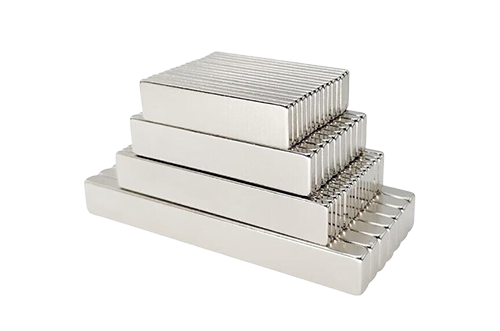
Choosing the right magnet is about balancing strength, stability, environment, and cost. When those factors are considered carefully, “better” becomes a practical decision—not just a question of magnetic power.
Topping
Contact

We will contact you within 24 hours. ( WhatsApp/facebook:+86 15957855637)