
Magnets, those ubiquitous objects that stick to our refrigerators and power everything from speakers to electric cars, might seem like simple tools. However, the materials used to create them are diverse and carefully chosen based on the desired magnetic properties. The raw materials of magnets fundamentally determine their strength, stability, and application.
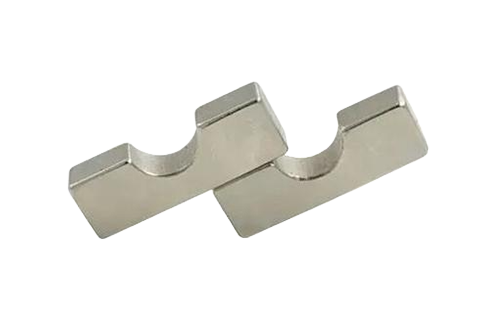
1. Iron and Iron Oxide (Ferrite Magnets)Iron is the original and most common material for creating simple, everyday magnets. It's a ferromagnetic material, meaning it is strongly attracted to a magnetic field and can be permanently magnetized.Iron (Fe): While pure iron can be easily magnetized, its magnetic alignment is often temporary. It's more commonly used in applications where a temporary magnetic response is needed, such as in electromagnets.Ferrites: The majority of common, dark-gray magnets are ceramics made from iron oxide (Fe2O3 or Fe_3_O_4) mixed with other metals, typically strontium or barium. These ferrite magnets are inexpensive, offer good resistance to demagnetization and corrosion, and are widely used in motors, speakers, and magnetic separators. The production process involves crushing and pressing the powdered materials into shape before they are fired (sintered).
2. Rare-Earth Elements (High-Strength Magnets)
For powerful, modern magnets, manufacturers turn to elements known as rare-earths. These elements produce the strongest types of permanent magnets available today, often referred to as Supermagnets.
Neodymium (Nd): This is the cornerstone of the most popular high-strength magnet: Neodymium-Iron-Boron (NdFeB). These magnets are incredibly powerful and are essential components in computers, wind turbines, electric vehicles, and high-fidelity headphones. They are prized for delivering the highest magnetic strength per unit volume.
Samarium (Sm): Used to create Samarium-Cobalt (SmCo) magnets. While not as strong as NdFeB, these magnets possess superior resistance to demagnetization at extremely high temperatures. This makes them vital for demanding applications in aerospace, military equipment, and high-performance motors where heat is a major factor.
3. Specialty Alloys (Alnico and Others)
Various metal alloys are specifically engineered to create magnets with a balance of strength and temperature stability for niche applications.
Alnico: This alloy combines Aluminum (Al), Nickel (Ni), and Cobalt (Co) with iron. Alnico magnets are renowned for their exceptional temperature stability, meaning they maintain their magnetism even when subjected to very high heat. They are typically used in sensors, guitar pickups, and certain measuring instruments.
Hard Steels and Other Alloys: Hardened steel was one of the earliest materials for permanent magnets. Today, other specialized metallic compositions are used to achieve unique properties, such as high flexibility in polymer-bonded magnets.
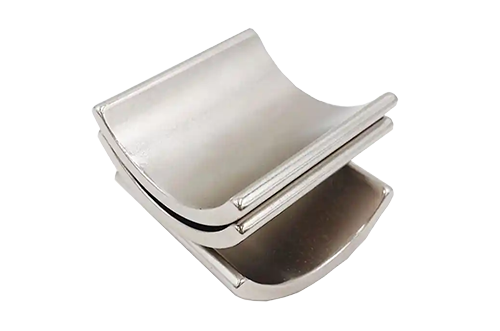
Understanding the source materials helps explain why some magnets are perfect for a craft project (Ferrites) while others are essential components in cutting-edge technology (Neodymium and Samarium Cobalt). The ongoing effort in materials science is focused on finding new, less expensive, and more sustainable raw materials to create the next generation of powerful magnets.
Topping
Contact

We will contact you within 24 hours. ( WhatsApp/facebook:+86 15957855637)