
In the world of magnetic materials, manufacturing technology plays a major role in determining performance, durability, and application suitability. Two widely used methods — Sintered Magnet production and Bonded Magnet production — create magnets with very different characteristics. Understanding how each process works helps engineers and buyers select the right solution for specific technical needs.
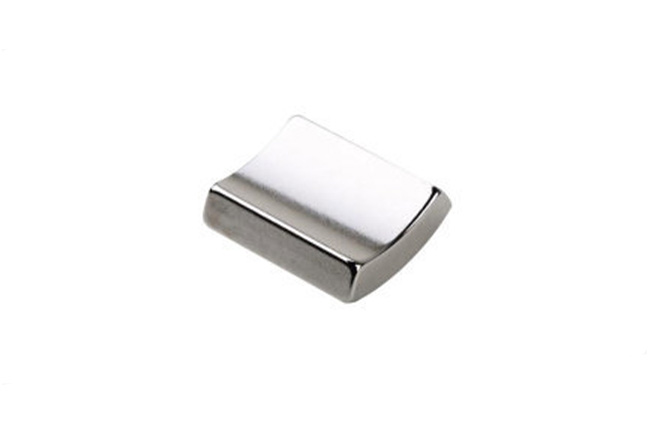
How Sintered Magnet Production Works
A Sintered Magnet is produced by compressing finely ground magnetic powder and heating it in a furnace at high temperatures. This process fuses particles together, forming a dense and mechanically strong structure.
Key advantages of Sintered Magnet production include:
High magnetic strength
Better temperature stability
Stronger resistance to demagnetization
Due to their robust performance, Sintered Magnets are commonly used in motors, generators, sensors, and industrial machinery.
How Bonded Magnet Production Works
A Bonded Magnet follows a different method. Instead of high-temperature sintering, powdered magnetic material is mixed with a polymer binder and molded through compression or injection techniques. Once cured, the binder holds the particles together, creating a flexible or formable magnet.
Bonded Magnet benefits include:
More design freedom
Lighter weight and customizable shapes
Lower-cost manufacturing for complex components
Bonded Magnets are common in small motors, precision instruments, electronics, and consumer devices where moderate strength and high flexibility are needed.
Comparing Sintered Magnet vs. Bonded Magnet
Here are the core differences between the two:
| Feature | Sintered Magnet | Bonded Magnet |
| Strength | Higher | Moderate |
| Density | High | Lower |
| Shape Complexity | Limited | Highly versatile |
| Thermal Stability | Strong | Moderate |
| Production Cost | Higher | Often lower |
This comparison shows that a Sintered Magnet is ideal for power-dense applications, while a Bonded Magnet excels in small, intricate designs.
Choosing the Right Type
For applications requiring maximum magnetic output and durability, a Sintered Magnet is often preferred. However, if complex shapes, precision tolerances, or lighter structures are priorities, a Bonded Magnet offers clear advantages.
Conclusion
The main difference between a Sintered Magnet and a Bonded Magnet lies in how they are made — one through high-temperature densification and the other through polymer bonding. These methods create distinct performance levels that suit different industries and design goals. By understanding their strengths and limitations, engineers can confidently choose between a Sintered Magnet or a Bonded Magnet to meet their performance and manufacturing needs.
Topping
Contact

We will contact you within 24 hours. ( WhatsApp/facebook:+86 15957855637)