
High-Performance NdFeB Magnets are widely used in advanced motors, robotics, electronics, renewable energy systems, and precision sensors. Their exceptional strength does not happen by accident — it relies heavily on powder metallurgy, a manufacturing method that enables precise control over structure, composition, and magnetic performance. Understanding why powder metallurgy is so essential reveals how these powerful materials achieve their outstanding capabilities.
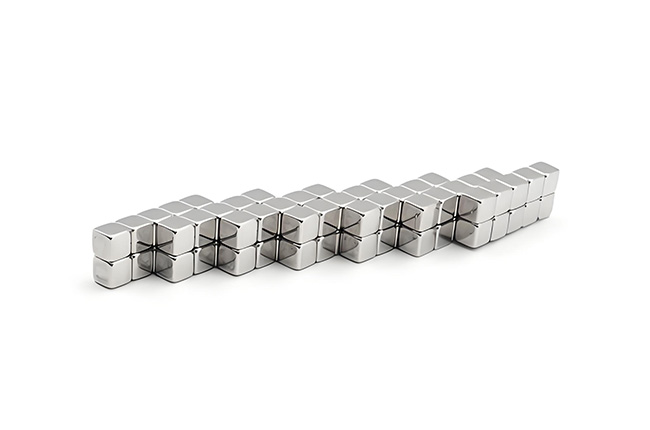
Powder Metallurgy Enables Fine Microstructure Control
High-Performance NdFeB Magnets depend on extremely uniform grain structure. Powder metallurgy allows manufacturers to grind the alloy into fine particles before shaping it, which ensures:
Better alignment of magnetic domains
Higher density
Improved consistency across magnet batches
This refined microstructure plays a major role in the final magnetic output.
Enhanced Magnetic Orientation and Alignment
During pressing, the magnetic powder is compacted in the presence of an external magnetic field. Powder metallurgy enables this alignment step, ensuring High-Performance NdFeB Magnets gain maximum strength through controlled particle orientation.
Superior Bonding and Mechanical Strength
Sintering — a key phase in powder metallurgy — fuses particles into a solid structure. This improves:
Mechanical durability
Resistance to demagnetization
Long-term magnetic stability
Without this bonding process, magnets would be weak and brittle.
Precision Manufacturing and Complex Shapes
Powder metallurgy also allows High-Performance NdFeB Magnets to be created in precise forms that meet industry requirements. Whether for motor rotors or miniature actuators, the ability to press powder into complex geometries gives engineers design flexibility.
Consistency and Scalability in Mass Production
Large-scale magnetic component production relies on stable quality. Powder metallurgy delivers repeatability in:
Magnet size
Magnetic properties
Performance under various environments
This consistency makes it suitable for automotive, aerospace, automation, and electronics industries.
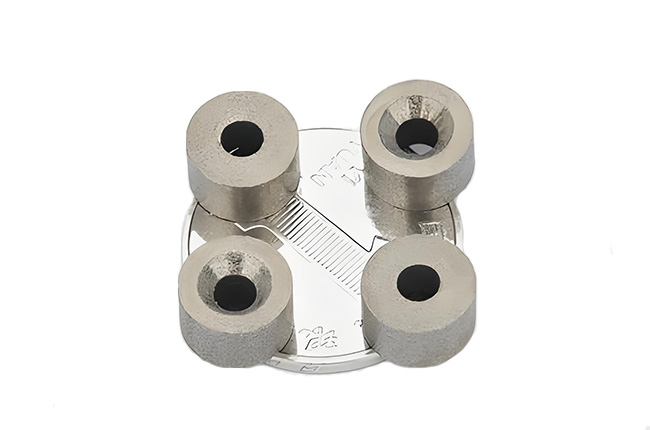
Conclusion
Powder metallurgy is at the heart of High-Performance NdFeB Magnet manufacturing because it enables fine particle control, precise orientation, structural bonding, and scalable production. Without this method, High-Performance NdFeB Magnets would not reach their renowned magnetic strength or reliability. Understanding its importance helps explain why powder metallurgy remains the foundation for creating these advanced magnetic materials used across modern technology.
Topping
Contact

We will contact you within 24 hours. ( WhatsApp/facebook:+86 15957855637)