
Rare earth metals play a quiet but critical role in modern society. They are not always visible to consumers, yet they sit at the heart of many technologies we rely on every day. Among them, Neodymium often stands out as the most talked-about element. From smartphones and electric vehicles to wind turbines and medical devices, Neodymium has become deeply embedded in modern life. But is it truly the most important rare earth metal today? Let’s take a closer look.
Understanding Rare Earth Metals
Rare earth metals are a group of 17 elements, including the 15 lanthanides plus scandium and yttrium. Despite the name, they are not necessarily rare in terms of geological abundance. What makes them “rare” is that they are difficult to extract and refine in economically viable ways.
These elements are essential for advanced manufacturing, clean energy technologies, and high-performance electronics. Each rare earth metal has unique properties, and their importance depends largely on how those properties are applied in real-world products.
What Makes Neodymium Special?
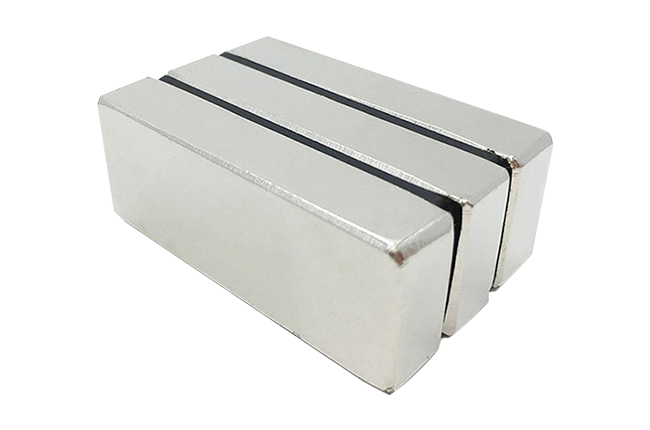
Neodymium is best known for its role in producing NdFeB (neodymium-iron-boron) magnets, which are the strongest permanent magnets available today. This single characteristic has elevated Neodymium to a strategic position in modern industry.
Compared with traditional ferrite or AlNiCo magnets, Neodymium magnets are smaller, lighter, and significantly more powerful. This allows engineers to design compact, energy-efficient, and high-performance devices—something modern consumers often take for granted.
In simple terms, Neodymium helps make things smaller, lighter, and more powerful, which is exactly what modern technology demands.
Neodymium in Everyday Life
Many people don’t realize how often they benefit from Neodymium. It is used in:
Consumer electronics such as smartphones, laptops, headphones, and hard drives
Electric vehicles (EVs), where Neodymium magnets are used in high-efficiency motors
Renewable energy systems, especially wind turbines that rely on powerful permanent magnets
Medical equipment, including MRI machines and precision diagnostic tools
Industrial automation, robotics, and CNC machinery
Without Neodymium, many of these technologies would either be bulkier, less efficient, or far more expensive. In this sense, Neodymium acts like a silent enabler of modern innovation.
Is Neodymium More Important Than Other Rare Earths?
Calling any single rare earth metal “the most important” depends on perspective. For example:
Dysprosium and terbium are crucial for improving high-temperature performance of Neodymium magnets.
Lanthanum is widely used in batteries and optical glass.
Cerium plays a major role in catalytic converters and polishing powders.
However, Neodymium’s impact is broader and more visible across multiple high-growth industries. Especially in the global transition toward electrification and renewable energy, demand for Neodymium continues to rise faster than many other rare earth elements.
So while Neodymium does not work alone, it often sits at the center of rare earth supply chains.
Strategic and Economic Importance
Neodymium is not just a technical material—it is also a strategic resource. Global supply is geographically concentrated, which has raised concerns about supply security and price volatility. Governments and manufacturers around the world are investing in recycling, alternative materials, and diversified sourcing to reduce dependency risks.
At the same time, demand for Neodymium is expected to grow steadily as electric vehicles, wind power, and smart devices become more widespread. This makes Neodymium a key material not only for modern life today, but also for the future of sustainable technology.
Looking Ahead: Will Neodymium Remain Essential?
Research into alternative magnet materials is ongoing, but replacing Neodymium at scale is not easy. Few materials offer the same balance of magnetic strength, durability, and cost efficiency. For the foreseeable future, Neodymium is likely to remain a cornerstone of advanced manufacturing and clean energy solutions.
That said, innovation rarely stands still. Improvements in recycling technologies and material efficiency may reduce overall consumption, even as demand continues to grow.
Conclusion
So, is Neodymium the most important rare earth metal for modern life? While it may not be the only critical element, it is certainly one of the most influential. Its unique magnetic properties enable countless technologies that define how we live, work, and communicate today.
In a world moving toward smarter devices, cleaner energy, and greater efficiency, Neodymium’s role is hard to overstate. It may not be flashy, but behind the scenes, Neodymium quietly powers much of modern civilization—and that makes it incredibly important.
Topping
Contact

We will contact you within 24 hours. ( WhatsApp/facebook:+86 15957855637)