
As electric vehicles (EVs) rapidly reshape the global automotive industry, one component quietly plays a critical role behind the scenes: the NdFeB Permanent Magnet. From high efficiency motors to compact power systems, these advanced magnets have become essential to modern EV design. But what exactly makes them so important, and why are automakers so dependent on them?
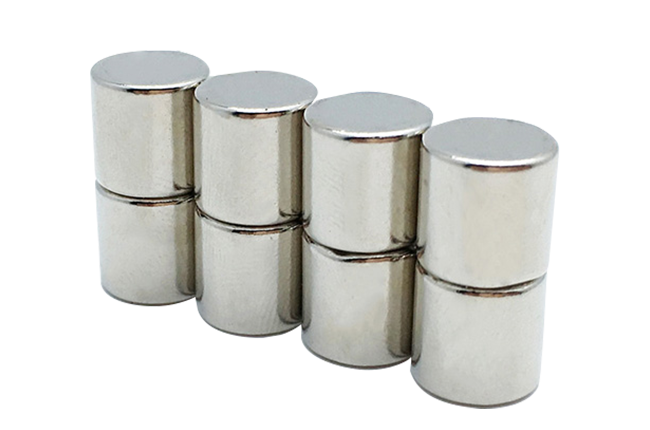
The Growing Demand for High-Performance EV Motors
At the core of every electric vehicle lies its motor, which converts electrical energy into mechanical motion. Unlike traditional internal combustion engines, EV motors must deliver high torque instantly, operate efficiently across a wide speed range, and remain compact and lightweight.
This is where NdFeB Permanent Magnets stand out. Known for their exceptionally high magnetic energy density, they enable motors to generate strong magnetic fields without increasing size or weight. In simple terms, they allow EVs to go farther, accelerate faster, and consume less energy—something both manufacturers and drivers care deeply about.
Why NdFeB Permanent Magnets Outperform Alternatives
Compared with ferrite or AlNiCo magnets, NdFeB magnets offer a much higher maximum energy product. This means more magnetic power in a smaller volume. For EV designers, this translates into:
Smaller and lighter motors
Higher power-to-weight ratios
Improved overall system efficiency
Permanent magnet synchronous motors (PMSMs), which commonly rely on NdFeB Permanent Magnets, are widely used in EVs because they reduce energy losses and provide smooth, precise control. Less wasted energy means longer driving range—one of the biggest selling points in today’s EV market.
Efficiency That Directly Impacts Driving Range
Every percentage point of efficiency matters in an electric vehicle. NdFeB Permanent Magnets help reduce copper losses and eliminate the need for continuous excitation current, unlike some induction motors. This efficiency advantage becomes especially noticeable during city driving, where frequent starts and stops demand instant torque.
From a driver’s perspective, this translates into better acceleration and more miles per charge. From a manufacturer’s point of view, it means competitive performance without larger battery packs, helping control costs and vehicle weight.
Supporting Compact and Integrated EV Designs
Modern EV platforms emphasize integration and space optimization. Thanks to their strong magnetic properties, NdFeB Permanent Magnets allow engineers to design compact motors that fit easily into limited spaces, such as e-axles and in-wheel motor systems.
This design flexibility opens the door to innovative vehicle layouts, improved aerodynamics, and better cabin space—benefits that are increasingly important as EV models diversify.
The Strategic Importance of NdFeB in the EV Era
As EV adoption accelerates worldwide, NdFeB Permanent Magnets have become more than just a technical choice—they are a strategic material. Automakers and suppliers are investing heavily in magnet optimization, recycling technologies, and supply chain stability to ensure long-term availability.
Despite challenges such as raw material price fluctuations, the performance advantages of NdFeB magnets make them difficult to replace in high-end and mass-market EVs alike.
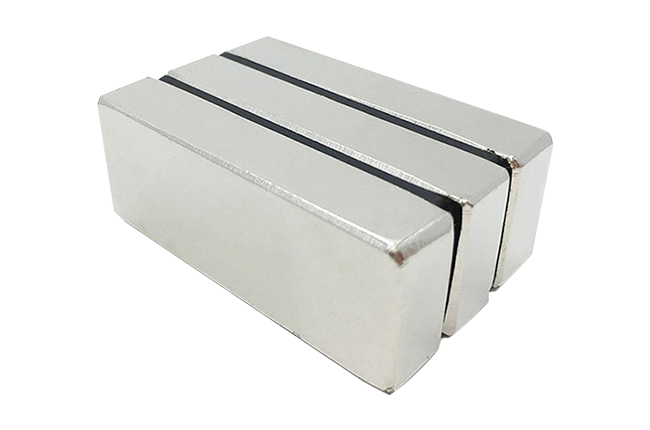
Conclusion: The Invisible Power Behind EV Performance
While batteries often steal the spotlight, the NdFeB Permanent Magnet is truly one of the unsung heroes of electric vehicles. Its ability to deliver high efficiency, compact design, and reliable performance makes it the heart of modern EV motors.
As technology continues to evolve, NdFeB magnets will remain a cornerstone of electric mobility—quietly driving the transition toward a cleaner, more electrified future.
Topping
Contact

We will contact you within 24 hours. ( WhatsApp/facebook:+86 15957855637)