
Neodymium magnets are known for their exceptional strength and compact size, making them indispensable in electric vehicles, renewable energy systems, electronics, and industrial equipment. However, despite their advanced performance, many users ask a practical and important question: does a neodymium magnet rust?
Why Neodymium Magnets Are Prone to Corrosion
Yes, neodymium magnets can rust if left unprotected. Unlike ferrite or alnico magnets, neodymium magnets are made primarily from neodymium, iron, and boron. The high iron content makes them particularly vulnerable to oxidation when exposed to moisture, humidity, or corrosive environments.
When a neodymium magnet is exposed to water or even moist air, oxygen can react with the iron inside the magnet. Over time, this process leads to corrosion, surface pitting, and eventually a loss of magnetic strength. In severe cases, the magnet can crumble or crack as corrosion spreads internally.
The Role of Protective Coatings
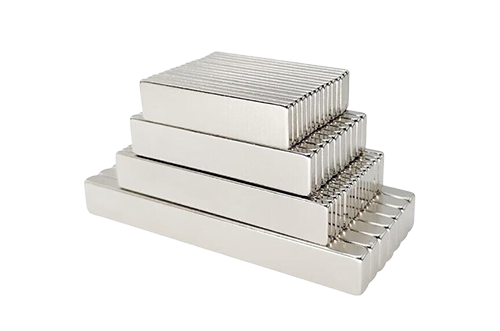
To prevent rusting, nearly all neodymium magnets used in commercial applications are coated. The most common coating is a nickel-copper-nickel layer, which provides a smooth, shiny surface and acts as a barrier against moisture and air. Other coatings include epoxy, zinc, gold, and specialized polymer layers designed for harsher environments.
These coatings significantly improve corrosion resistance, but they are not indestructible. Scratches, chips, or manufacturing defects in the coating can expose the underlying magnet material, allowing corrosion to begin. This is why careful handling and proper installation are essential, especially in precision or long-life applications.
Environmental Conditions Matter
The likelihood of rusting depends heavily on where and how a neodymium magnet is used. Indoor, dry environments pose minimal risk, while outdoor use, marine conditions, or industrial settings with high humidity or chemicals greatly increase the chance of corrosion.
In applications such as electric motors, magnets are usually sealed inside housings and protected by additional insulation, reducing exposure to moisture. In contrast, bare or lightly coated magnets used in workshops, experiments, or consumer products may degrade more quickly if not properly protected.
Signs and Consequences of Rusting
Early signs of corrosion include discoloration, dull spots, or small flakes on the magnet’s surface. As rust progresses, the magnet may lose structural integrity and magnetic performance. Corrosion can also lead to contamination in sensitive equipment, potentially causing secondary damage to surrounding components.
Once significant rusting has occurred, neodymium magnets cannot be restored to their original condition. Prevention is therefore far more effective than attempting repairs after corrosion sets in.
How Manufacturers Address Corrosion Risks
To meet the demands of modern industries, manufacturers are continually improving coating technologies and material formulations. Some high-performance neodymium magnets use advanced epoxy or multi-layer coatings to withstand aggressive environments. Others are designed to operate within sealed systems where exposure to air and moisture is tightly controlled.
In addition, proper storage practices—such as keeping magnets in dry conditions with desiccants—play an important role in maintaining their quality over time.

Conclusion
Neodymium magnets do rust if they are not adequately protected. Their iron-rich composition makes them susceptible to corrosion, especially in moist or harsh environments. Protective coatings, careful handling, and appropriate application design are essential to ensure long-term performance. As neodymium magnets continue to power critical technologies worldwide, understanding and managing their corrosion risks remains a key factor in their reliable use.
Topping
Contact

We will contact you within 24 hours. ( WhatsApp/facebook:+86 15957855637)