
Steel is one of the most common metals in the world, used in everything from buildings and cars to kitchen appliances and medical tools. But not all steel behaves the same when it comes to magnets. Some types of steel are magnetic, while others are not. So, what is the difference between magnetic and non-magnetic steel? Let’s break it down.
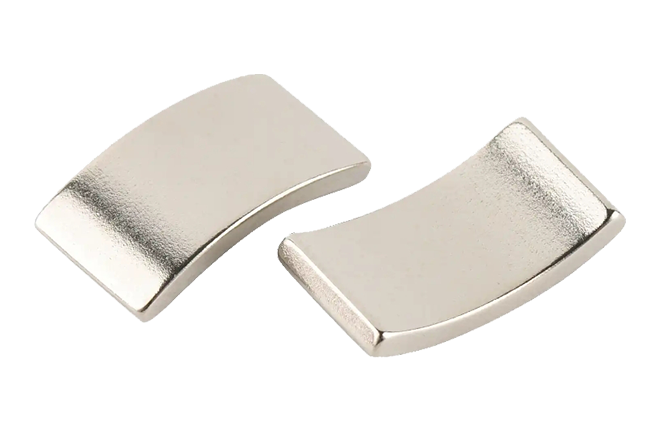
What Makes Steel Magnetic?
Steel is primarily made of iron and carbon, with other elements added depending on the type of steel. Iron is naturally magnetic, so many steels inherit this property.
A steel is considered magnetic if it can be attracted to a magnet or can be magnetized to act like a permanent magnet. In technical terms, this is usually called ferromagnetism, which happens when tiny regions inside the steel, called magnetic domains, are aligned in the same direction.
In simpler words, imagine steel as a crowd of tiny compass needles. When most of them point in the same direction, the steel becomes magnetic.
Magnetic Steel
Magnetic steel is sometimes called ferromagnetic steel, and it includes:
Low-carbon steel (mild steel)
Some medium-carbon steels
Certain alloy steels designed for magnetism
Properties of Magnetic Steel
Strong attraction to magnets – it sticks easily.
Can be magnetized – it can develop a north and south pole.
Good mechanical strength – can handle construction and machinery tasks.
Common applications – motors, transformers, sensors, and magnetic locks.
Magnetic steel is the type you usually see in construction or industrial applications where magnets are involved.
Non-Magnetic Steel
Non-magnetic steel is usually austenitic stainless steel, which includes popular grades like 304 and 316.
Why It’s Non-Magnetic
These steels contain high levels of nickel and chromium, which change the crystal structure of the steel. This prevents the alignment of magnetic domains, so the steel does not stick to magnets.
Properties of Non-Magnetic Steel
Resistant to rust and corrosion – ideal for kitchens, hospitals, and chemical environments.
Cannot be magnetized easily – does not form a permanent magnet.
Excellent durability – used for tools, appliances, and surgical instruments.
So, non-magnetic steel is often chosen for applications where corrosion resistance or hygiene is more important than magnetic properties.
Key Differences Between Magnetic and Non-Magnetic Steel
Let’s summarize the differences in plain language:
Magnetism
Magnetic steel: sticks to magnets, can be magnetized.
Non-magnetic steel: does not stick to magnets, cannot be easily magnetized.
Composition
Magnetic steel: mainly iron and carbon, sometimes small alloying elements.
Non-magnetic steel: high chromium and nickel content, austenitic structure.
Applications
Magnetic steel: motors, transformers, sensors, industrial machinery.
Non-magnetic steel: kitchenware, medical tools, chemical equipment.
Corrosion Resistance
Magnetic steel: moderate, may rust without protection.
Non-magnetic steel: excellent, resistant to rust and oxidation.
Conclusion
The main difference between magnetic and non-magnetic steel comes down to composition and crystal structure. Magnetic steel is primarily ferromagnetic and is often used where magnetic properties are required. Non-magnetic steel, usually austenitic stainless steel, does not stick to magnets but offers excellent corrosion resistance and durability.
In other words, magnetic steel is your “metal that plays with magnets,” while non-magnetic steel is the “stainless, rust-proof hero” for kitchens, hospitals, and chemical environments. Understanding these differences helps engineers, manufacturers, and even hobbyists choose the right steel for the right application.
Topping
Contact

We will contact you within 24 hours. ( WhatsApp/facebook:+86 15957855637)