
Steel is one of the most common metals in the world, found in everything from buildings and cars to kitchen appliances. Because it contains iron, many people wonder: is steel magnetic? And if it is, does it have a north and south pole like a magnet? In this guide, we’ll explore these questions in detail and explain the science behind steel and magnetism.
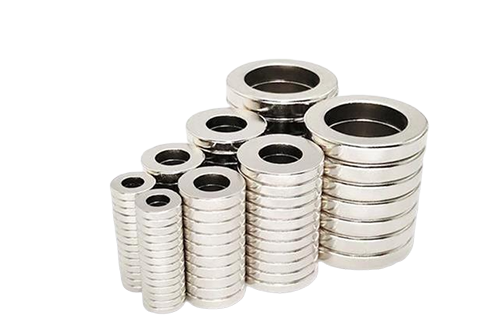
Is Steel Magnetic?
The short answer is: sometimes yes, sometimes no. Steel is an alloy made mostly of iron, with small amounts of carbon and other elements. Since iron is magnetic, steel often inherits this property. However, whether steel is magnetic depends on its type and composition.
Magnetic Steel
Low-carbon steel and mild steel are usually magnetic.
These types of steel are strongly attracted to magnets.
They are widely used in construction, tools, and machinery because they are both durable and magnetic.
Non-Magnetic Steel
Austenitic stainless steel, like 304 and 316, generally does not stick to magnets.
This is because it contains high levels of nickel and chromium, which change the metal’s crystal structure and reduce its magnetism.
You’ll see this type in kitchen sinks, medical instruments, and food processing equipment.
So, whether a steel object is magnetic depends on the steel’s composition, crystal structure, and sometimes even heat treatment.
Does Steel Have a North and South Pole?
Now, here’s the interesting part: not all steel that is magnetic has a north and south pole, at least not naturally. Only when steel is magnetized does it behave like a permanent magnet with a north and south pole.
How Steel Becomes a Magnet
Steel can become magnetized when the magnetic domains inside it align. Magnetic domains are tiny regions inside the metal where electrons are spinning in the same direction. In unmagnetized steel, these domains are randomly oriented, so the steel doesn’t have a clear north or south pole.
When exposed to a strong magnetic field—like a permanent magnet or an electromagnet—these domains align. Once aligned, the steel itself becomes a magnet, and you can identify a north pole and a south pole on it.
In simpler terms: steel is like a crowd of people facing different directions. Normally, there’s no clear “front” or “back.” But if a leader (magnet) comes along and everyone turns to face the same way, suddenly you have a “front” (north) and “back” (south).
Factors That Affect Steel’s Magnetism
Even magnetic steel can lose its magnetism or behave differently depending on circumstances:
Heat: High temperatures can disrupt magnetic domains.
Alloy Composition: Nickel, manganese, and other elements can reduce magnetism.
Mechanical Stress: Bending, hammering, or machining steel can change its magnetic behavior.
Time: Some steels may slowly lose their magnetism over time if not kept in a magnetic environment.
So, not all magnetic steel acts like a permanent magnet right away—it often needs a little “training” from an external magnet.
Practical Applications of Magnetic Steel
Magnetic steel is essential in many industries and technologies:
Electric Motors and Generators: Converts energy efficiently using magnetism.
Transformers: Conducts magnetic fields to transfer electricity.
Sensors and Actuators: Detects movement, position, or rotation.
Permanent Magnets: Found in loudspeakers, MRI machines, and magnetic locks.
Construction: Magnetic steel rebar can be detected for quality inspections.
Basically, whenever you see a magnet doing work, there’s a good chance magnetic steel is involved behind the scenes.
Conclusion
So, is steel magnetic? The answer depends on the type of steel. Low-carbon and mild steels are usually magnetic, while austenitic stainless steels are not.
And does steel have a north and south pole? Only if it has been magnetized. Unmagnetized steel contains tiny magnetic domains pointing in random directions, so it behaves like a normal metal. Once magnetized, it develops a clear north and south pole, just like a permanent magnet.
Understanding these properties helps engineers, hobbyists, and anyone working with magnets know what to expect when using steel in practical applications. So next time you stick a magnet to a steel object, you’ll know exactly what’s happening on the atomic level—and maybe impress a friend with your magnetism knowledge!
Topping
Contact

We will contact you within 24 hours. ( WhatsApp/facebook:+86 15957855637)