
Magnets are a fundamental part of modern technology, used in everything from household appliances to advanced industrial and medical equipment. While magnets may look simple, the raw materials used to produce them are carefully selected to achieve specific magnetic properties. Understanding these materials helps explain why some magnets are extremely strong while others are more affordable and widely used.
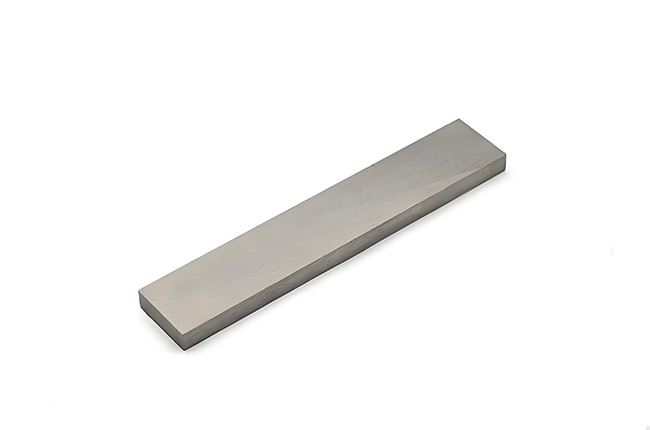
Basic Raw Materials Used in Magnets
The core raw materials for magnets are ferromagnetic elements, which have the ability to maintain magnetic alignment. The most common ones include:
Iron (Fe)
Nickel (Ni)
Cobalt (Co)
These elements form the foundation of most magnetic materials. Among them, iron is the most widely used due to its strong magnetic response and low cost. In simple terms, if magnets had a “main ingredient,” iron would be it.
Alloy Materials in Magnet Production
Pure metals are rarely used alone. Instead, they are combined into alloys to improve strength, stability, and resistance to temperature or corrosion. Common alloy components include:
Aluminum (Al) – improves stability
Copper (Cu) – enhances magnetic control
Zinc (Zn) – improves durability
A well-known example is Alnico magnets, which are made from aluminum, nickel, and cobalt. These magnets offer good magnetic strength and excellent temperature resistance, making them suitable for industrial applications.
Rare-Earth Materials for High-Performance Magnets
For applications that require very strong magnetic force, manufacturers use rare-earth elements, including:
Neodymium (Nd)
Samarium (Sm)
These materials are combined with iron and other elements to create powerful magnets such as:
Neodymium-Iron-Boron (NdFeB) magnets
Samarium-Cobalt (SmCo) magnets
Rare-earth magnets are compact but extremely strong. That’s why they are commonly used in electric vehicles, wind turbines, smartphones, and medical devices. Small size, big power—that’s their advantage.
Ceramic and Ferrite Materials
Another important category is ferrite (ceramic) magnets, which are made primarily from:
Iron oxide (Fe₂O₃)
Strontium carbonate (SrCO₃) or barium carbonate (BaCO₃)
Ferrite magnets are inexpensive, corrosion-resistant, and suitable for mass production. Although they are not as strong as rare-earth magnets, they are widely used in speakers, motors, and household electronics. They get the job done without breaking the budget.
Supporting Materials and Additives
In addition to the main raw materials, manufacturers also use small amounts of additives to enhance performance, such as:
Boron (B) – increases magnetic strength
Dysprosium (Dy) – improves heat resistance
Protective coatings (nickel, epoxy, zinc) – prevent corrosion
These materials may seem minor, but they play a crucial role in ensuring long-term performance and reliability.
Conclusion
The raw materials for magnets range from basic ferromagnetic metals like iron and nickel to advanced rare-earth elements such as neodymium and samarium. The final choice of materials depends on the magnet’s intended use, required strength, cost considerations, and environmental conditions.
In short, magnets are not made from just one material. They are carefully engineered combinations of metals and compounds—kind of like a recipe, where the right ingredients make all the difference.
Topping
Contact

We will contact you within 24 hours. ( WhatsApp/facebook:+86 15957855637)