
Magnets play an essential role in modern life. From electric motors and generators to speakers, smartphones, and medical equipment, magnets are everywhere. But how exactly is a magnet produced? The process is both scientific and practical, combining physics principles with industrial techniques. Let’s break it down in a clear and easy-to-understand way.
What Is a Magnet?
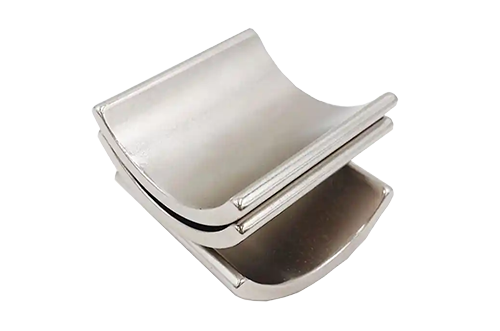
A magnet is an object that produces a magnetic field and can attract ferromagnetic materials such as iron, nickel, and cobalt. The magnetic properties come from the alignment of tiny regions inside the material called magnetic domains. When these domains are randomly oriented, the material is not magnetized. When they align in the same direction, the material becomes a magnet.
Simply put, a magnet is not magic—it’s all about organization at the atomic level.
Raw Materials Used to Produce Magnets
Magnets are typically made from specific metals or metal alloys, including:
Iron
Nickel
Cobalt
Aluminum
Rare-earth elements such as neodymium and samarium
The choice of material depends on the type of magnet being produced and its intended application. For example, neodymium magnets are extremely strong and commonly used in electronics, while ferrite magnets are cheaper and widely used in household products.
Main Methods of Producing a Magnet
1. Magnetization by a Magnetic Field
This is the most common method. A piece of ferromagnetic material is placed inside a strong external magnetic field, usually generated by an electromagnet. The strong field forces the magnetic domains inside the material to align in one direction.
Once aligned, the material retains its magnetism, becoming a permanent magnet. Think of it like combing messy hair—once everything lines up, it stays neat.
2. Magnetization by Electric Current
Another method involves passing a direct electric current through a coil of wire wrapped around the material. This creates a magnetic field around the coil, which magnetizes the material inside.
This principle is widely used in industrial production and is also how electromagnets work. Turn the current on, and you get magnetism. Turn it off, and the magnetism disappears. Simple and very practical.
3. Mechanical Stress and Heat Treatment
In some cases, magnets are produced or strengthened through heat treatment and mechanical processing. Heating the material to a specific temperature and then cooling it under a magnetic field can improve magnetic performance
Industrial magnets often go through precise thermal and mechanical steps to ensure stability, durability, and consistent strength.
Types of Magnets Produced
Permanent magnets: Retain magnetism without external power (e.g., neodymium, ferrite).
Temporary magnets: Become magnetic only in the presence of a magnetic field.
Electromagnets: Produce magnetism using electric current and can be controlled easily.
Each type serves different needs, from everyday use to advanced scientific applications.
Quality Control and Testing
After production, magnets are tested for strength, polarity, temperature resistance, and durability. This ensures they meet technical standards and perform reliably in real-world conditions. After all, a weak or unstable magnet is not very useful—no one wants that.
Conclusion
A magnet is produced by carefully selecting magnetic materials and aligning their internal magnetic domains using magnetic fields, electric currents, or controlled heat treatment. While the science behind magnet production is complex, the core idea is quite straightforward: order creates magnetism.
In short, magnets are made by turning microscopic chaos into perfect alignment—and that’s actually pretty cool.
Topping
Contact

We will contact you within 24 hours. ( WhatsApp/facebook:+86 15957855637)