
Neodymium magnets, composed of an alloy of neodymium, iron, and boron (Nd2Fe14B), are the strongest permanent magnets commercially available. While their incredible power-to-weight ratio has revolutionized modern technology—from electric vehicle motors to high-fidelity headphones—they are far from perfect.
Understanding their limitations is crucial for engineers and hobbyists alike. Here is a comprehensive look at the primary disadvantages of neodymium magnets.
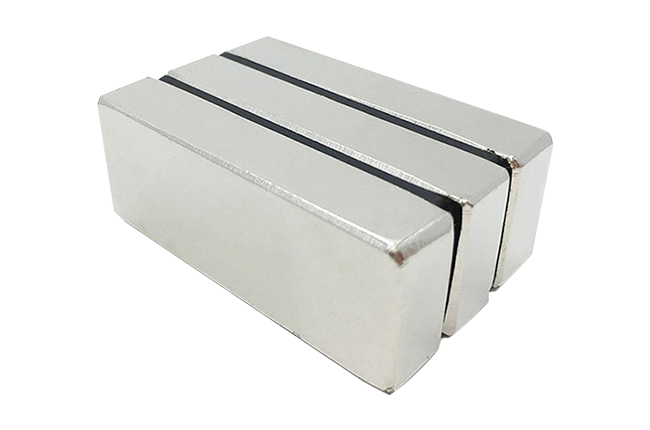
1. Low Thermal Stability and Curie Temperature
The most significant technical drawback of neodymium magnets is their sensitivity to heat. Every magnetic material has a Curie temperature, the point at which it loses its magnetic properties entirely.
For standard neodymium grades, the maximum operating temperature is often as low as 80°C (176°F). If exposed to temperatures beyond their specific rating, they undergo a "permanent loss" of magnetic flux. While high-coercivity grades (such as EH or AH) can withstand up to 230°C, they are significantly more expensive and still pale in comparison to Samarium Cobalt (SmCo) magnets, which remain stable at much higher thresholds.
2. High Susceptibility to Corrosion
Neodymium magnets contain a high iron content (approximately 64% by weight). Because the iron is interspersed within the crystalline structure of the alloy, it is highly prone to oxidation.
If left uncoated in a humid environment, a neodymium magnet will literally "rust" from the inside out, eventually crumbling into a fine powder. This necessitates specialized surface treatments such as:
Nickel-Copper-Nickel (Ni-Cu-Ni) plating
Zinc coating
Epoxy resin
Gold or Silver (for medical applications)
Any scratch or chip in this protective plating can lead to rapid localized corrosion, compromising the entire magnet.
3. Extreme Brittleness
Despite their "metallic" appearance, neodymium magnets behave more like ceramics. They are produced through a powder metallurgy process (sintering), which makes them incredibly hard but also very brittle.
They do not handle mechanical stress well. If two large neodymium magnets snap together uncontrollably, they will likely shatter or chip upon impact, sending sharp shards flying. This makes them unsuitable for structural components that require flexibility or resistance to high-impact forces.
4. Safety Hazards and Handling Risks
The sheer strength of these magnets creates unique safety challenges that are often underestimated:
Physical Injury: Large magnets can exert hundreds of pounds of force. If a finger or limb is caught between two magnets or a magnet and a steel surface, it can cause severe pinching, bone fractures, or even skin necrosis.
Ingestion Danger: If two or more small magnets are swallowed (a common risk with children), they can attract each other through intestinal walls, leading to perforations and life-threatening infections.
Electronic Interference: Their powerful magnetic fields can erase magnetic media (like credit cards) and damage sensitive electronics, pacemakers, or traditional mechanical watches.
5. Environmental and Ethical Supply Chain Issues
The extraction of neodymium—a rare-earth element—is an environmentally taxing process. Mining and refining these elements often involve toxic chemicals and produce radioactive byproducts (like thorium). Furthermore, the global supply chain is heavily concentrated in specific geographic regions, making the price of neodymium highly volatile due to geopolitical tensions and export quotas.
While neodymium magnets remain the "gold standard" for high-performance applications, their thermal limits, fragility, and corrosive nature require careful engineering workarounds.
Topping
Contact

We will contact you within 24 hours. ( WhatsApp/facebook:+86 15957855637)