
Magnets play essential roles in modern technology, powering motors, sensors, electronics, and countless convenience systems. However, even Permanent Magnets are not immune to performance changes. Understanding how Magnets can lose strength helps engineers, users, and designers make better choices for long-term reliability.
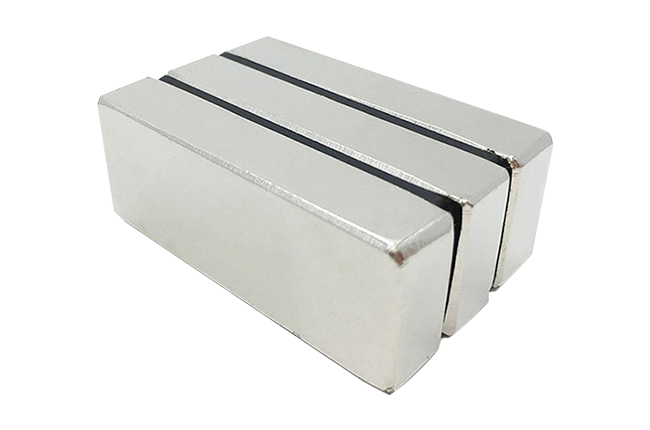
Why Permanent Magnets Can Lose Strength
Despite their name, Permanent Magnets are only “permanent” when operating within suitable conditions. Several influences can gradually weaken Magnets over time:
1. Elevated Temperatures
Heat is one of the most common causes of magnetic loss. When Magnets are exposed to temperatures beyond their rated limits, their magnetic alignment begins to break down.
Higher-grade Permanent Magnets can withstand more heat, but consistent overheating may still reduce stability.
2. Corrosion and Material Degradation
Some Magnets contain elements susceptible to oxidation. When surfaces corrode or degrade, the internal structure weakens, which can diminish magnetic output. Protective coatings and proper storage minimize this risk.
3. Strong Opposing Magnetic Fields
Magnets may lose strength if repeatedly exposed to reverse magnetic fields. This is especially relevant in motors and generators where misalignment or overload can partially demagnetize Permanent Magnets.
4. Mechanical Damage
Magnets, especially brittle varieties, can chip or crack under impact. Physical damage interrupts the material’s microstructure, reducing total magnetic strength.
5. Time and Material Stability
Although very slow, natural relaxation may occur. Most Permanent Magnets maintain usable performance for many years, but subtle changes happen depending on composition and application conditions.
How to Preserve Magnet Strength
To maximize reliability, designers often:
Select grades rated for expected temperature conditions
Apply corrosion resistance layers
Prevent shock or mechanical stress
Avoid unnecessary exposure to opposing magnetic fields
These practices improve performance stability in high-demand applications.
Conclusion
Magnets are powerful tools, but even Permanent Magnets can experience gradual strength loss if exposed to heat, corrosion, stress, or opposing fields. By understanding these factors and choosing appropriate materials, coatings, and safeguards, users can extend the operational lifespan of Magnets and ensure Permanent Magnets continue performing as intended throughout their service life.
Topping
Contact

We will contact you within 24 hours. ( WhatsApp/facebook:+86 15957855637)