
Permanent magnets play a critical role in modern technology. From electric vehicles and wind turbines to smartphones and medical equipment, permanent magnets are everywhere. But a common question often comes up: Which is the best permanent magnet?
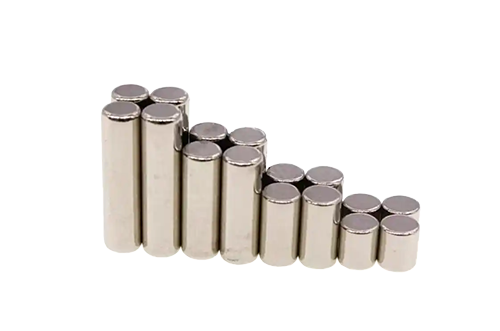
The short answer is: there is no single “best” permanent magnet for all applications. The best choice depends on performance requirements, operating conditions, and cost. In this article, we will compare the most common permanent magnets and explain why Neodymium magnets are widely considered the strongest and most advanced option available today.
What Is a Permanent Magnet?
A permanent magnet is a material that produces its own magnetic field without needing an external power source. Once magnetized, it retains its magnetic properties for a long time.
Permanent magnets are commonly evaluated by several key parameters:
Magnetic strength (energy product, BHmax)
Coercivity (resistance to demagnetization)
Temperature stability
Corrosion resistance
Cost and availability
Understanding these factors helps determine which magnet is “best” for a specific use.
Common Types of Permanent Magnets
There are four main categories of permanent magnets used in industry:
1. Neodymium Magnets (NdFeB)
Neodymium Iron Boron magnets, often called NdFeB magnets, are the strongest permanent magnets commercially available.
Key advantages:
Extremely high magnetic strength
Small size with powerful performance
Ideal for high-efficiency motors and compact devices
Limitations:
Lower temperature resistance compared to some alternatives
Susceptible to corrosion without proper coating
Higher cost than ferrite magnets
In simple terms, if you need maximum power in minimum space, neodymium magnets are usually the first choice.
2. Samarium Cobalt Magnets (SmCo)
Samarium Cobalt magnets are known for their excellent thermal stability and resistance to corrosion.
Key advantages:
High temperature resistance (up to 350°C)
Excellent corrosion resistance
Strong magnetic performance
Limitations:
More expensive than NdFeB
Brittle and harder to machine
These magnets are often used in aerospace, military, and high-temperature industrial environments.
3. Alnico Magnets
Alnico magnets are made primarily of aluminum, nickel, and cobalt. They were among the earliest high-performance permanent magnets.
Key advantages:
Good temperature stability
High magnetic flux density
Long service life
Limitations:
Low coercivity (easily demagnetized)
Larger size required for equivalent strength
Today, alnico magnets are mainly used in sensors, musical instruments, and specialized applications.
4. Ferrite (Ceramic) Magnets
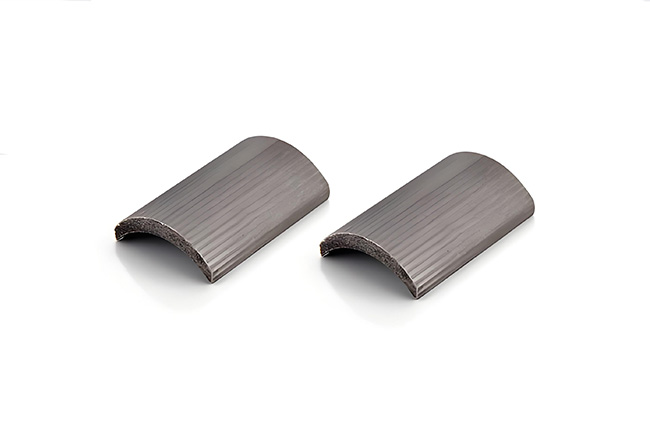
Ferrite magnets are the most economical and widely used permanent magnets.
Key advantages:
Low cost
Good corrosion resistance
Stable performance in normal environments
Limitations:
Much weaker magnetic strength
Larger size needed for the same output
Ferrite magnets are commonly found in speakers, small motors, and household products.
So, Which Is the Best Permanent Magnet?
From a purely magnetic performance perspective, Neodymium magnets are the best permanent magnets available today.
They offer:
The highest energy product
Superior efficiency in electric motors
Compact design possibilities
Strong performance in advanced technologies such as EVs and renewable energy systems
However, “best” does not always mean “most powerful.”
For example:
If high temperature resistance is critical → Samarium Cobalt
If cost is the main concern → Ferrite
If stability and vintage applications matter → Alnico
So the best magnet is really the one that best fits your application.
Topping
Contact

We will contact you within 24 hours. ( WhatsApp/facebook:+86 15957855637)