
Permanent magnets play a crucial role in modern technology, powering everything from smartphones and electric vehicles to wind turbines and medical devices. A common question in materials science and industrial manufacturing is: what are 90% of today’s permanent magnets made of?
The answer is rare-earth magnets, with neodymium iron boron (NdFeB) magnets dominating the global market.
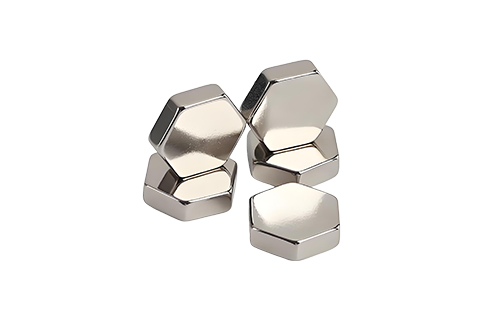
The Dominance of Rare-Earth Permanent Magnets
Today, approximately 90% of high-performance permanent magnets used in industrial and consumer applications are rare-earth magnets. Among them, neodymium iron boron (Nd₂Fe₁₄B) magnets account for the largest share due to their exceptional magnetic properties.
Rare-earth magnets are primarily divided into two types:
Neodymium Iron Boron (NdFeB) magnets
Samarium Cobalt (SmCo) magnets
Of these two, NdFeB magnets represent the vast majority of permanent magnets produced worldwide.
Why Neodymium Magnets Dominate the Market
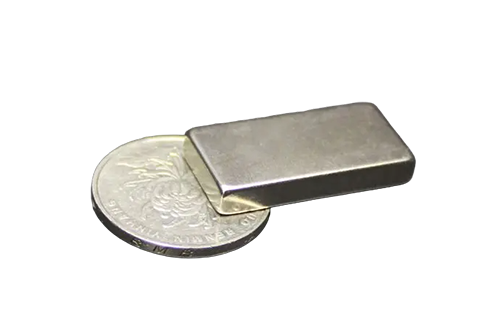
Neodymium magnets are widely used because they offer the highest magnetic strength per unit volume of any commercially available permanent magnet. This makes them ideal for compact, lightweight, and energy-efficient designs.
Key advantages include:
Extremely high magnetic energy density
Strong resistance to demagnetization
Compact size with powerful performance
Cost-effective compared to other rare-earth magnets
These properties allow manufacturers to reduce size and weight while maintaining or improving performance.
Major Applications of NdFeB Permanent Magnets
Because of their superior performance, neodymium magnets are used in nearly all advanced technologies, including:
Electric vehicle motors and hybrid cars
Wind turbine generators
Consumer electronics (smartphones, headphones, hard drives)
Industrial automation and robotics
Medical equipment such as MRI systems
Aerospace and defense technologies
Without rare-earth permanent magnets, many modern high-efficiency devices would not be possible.
Role of Rare-Earth Elements
Rare-earth magnets rely on elements such as neodymium (Nd), praseodymium (Pr), dysprosium (Dy), and terbium (Tb). These elements provide strong magnetic anisotropy, which is essential for maintaining magnetism under high temperatures and mechanical stress.
Although called “rare,” these elements are relatively abundant in the Earth’s crust; however, they are difficult and environmentally challenging to extract and refine, which adds strategic importance to their supply chains.
Comparison With Traditional Permanent Magnets
Before the rise of rare-earth magnets, permanent magnets were mainly made from:
Ferrite (ceramic) magnets
Alnico magnets
While still used today, these older magnet types have much lower magnetic strength and cannot meet the performance demands of modern high-tech applications. As a result, their market share has significantly declined.
Conclusion
In summary, around 90% of today’s permanent magnets are rare-earth magnets, with neodymium iron boron (NdFeB) magnets being the most widely used. Their unmatched magnetic strength, efficiency, and versatility have made them indispensable in modern industry and technology.
As global demand for electric vehicles, renewable energy, and smart devices continues to grow, rare-earth permanent magnets will remain at the core of technological advancement for the foreseeable future.
Topping
Contact

We will contact you within 24 hours. ( WhatsApp/facebook:+86 15957855637)