
If you work with electronics, motors, or specialized components, identifying a genuine Neodymium magnet is crucial. Often called the "super-magnet," the Neodymium magnet (or NdFeB magnet) offers unparalleled power for its size, making it the industry standard for high-performance applications.
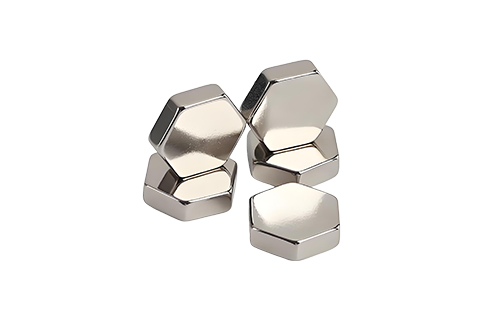
Here are three simple, practical, and industry-relevant ways to confirm if your magnet is a true Neodymium powerhouse, moving beyond simple kitchen tests.
1. The Magnetic Force Density Test (The Power Check)
The core property of a Neodymium magnet is its maximum energy product (BHmax), which is significantly higher than all other commercially available permanent magnets. This translates directly to an extraordinary pull force for its volume.
The Industry Context: Neodymium magnets typically possess an energy product ranging from 35MGOe up to 55 MGOe. In contrast, a common Ferrite (ceramic) magnet is only about 3-4 MGOe,and Alnico magnets are around 5-10 MGOe.
How to Test (The Spacing Test): Place your suspect magnet on a piece of steel (like a washer orsmall plate). Use a ruler to measure the maximum distance at which the magnet can attract andhold a thin paperclip or a light steel ball.
What to Look For: lf a small coin-sized or cube-sized magnet can exert a noticeable, strong pullon a ferrous object from over 5 millimeters away, it has the signature high-field density of aNeodymium magnet.
The Neodymium Signature: The pull is disproportionately strong compared to the magnet'svolume. lf it feels dangerous to let two medium-sized magnets collide, you're dealing withNeodymium.
2. The Surface Coating and Color Test (Visual Inspection)
Due to the presence of iron (Fe) in the NdFeB alloy, Neodymium magnets are extremely susceptible to oxidation (rusting). They require a specialized protective layer, which gives them a distinct look that differentiates them from other magnets.
The Industry Context: Standard industrial Neodymium magnets are almost always sealed with a coating to prevent corrosion and flaking. The most common coating is the triple layer Nickel-Copper-Nickel (Ni-Cu-Ni) plating.
How to Test: Inspect the surface finish, color, and texture closely.
What to Look For:
Neodymium magnets are generally smooth, highly reflective, and bright silver (due to the Nickel layer).
Other common coatings include Zinc (dull silver/gray) or Black Epoxy (matte black).
Contrast: Ceramic (Ferrite) magnets are typically rough, dull, and black/dark gray. Alnico magnets are metallic but often painted red or have a duller, rougher metallic finish.
The Neodymium Signature: A mirror-like, smooth, shiny metallic finish (especially silver) is the single most common visual identifier for a mass-produced Neodymium magnet.
3. The Curie Temperature and Thermal Resistance Test
All magnets lose their magnetism when heated past their Curie temperature, but Neodymium magnets have a lower intrinsic thermal stability than some older magnets, which is a key industry characteristic.
The Industry Context: Standard, low-cost Neodymium magnets have a maximum operating temperature around 80°C(≈176°F)and a Curie temperature around 310°C.High-performance magnets like Samarium Cobalt (SmCo) can operate up to 350°C,and Alnico up to 550°C.
How to Test (The Heat Check): This test requires caution and should only be performed on a small, disposable magnet. Use a heat gun or hot plate to raise the temperature of the magnet (e.g., to 100°C ). Then, test its residual pull force.
What to Look For: If a small, unrated magnet loses a significant amount of its pull force (demagnetizes) after being heated to a temperature just above boiling water (≈100°C ), it strongly suggests a Neodymium magnet without high-temperature additives (like Dysprosium). Ferrite or Alnico magnets would remain largely unaffected at this moderate temperature.
The Neodymium Signature: Neodymium magnets have the highest power-to-weight ratio but the lowest thermal tolerance among the performance magnet types. A noticeable, permanent drop in strength after moderate heating (under 150°C ) is characteristic of standard Neodymium.
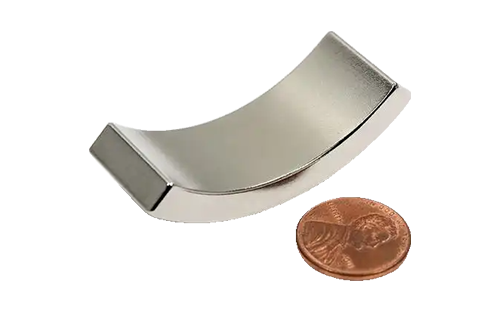
By employing these three simple, practical methods—measuring the sheer power density, checking the obligatory protective coating, and observing its thermal behavior—you can reliably confirm the presence of a powerful Neodymium magnet in your application.
Topping
Contact

We will contact you within 24 hours. ( WhatsApp/facebook:+86 15957855637)