
Magnets are fundamental components in nearly every modern electronic device, from the smallest cell phone speaker to the largest wind turbine generator. While they all perform the same basic function—creating a persistent magnetic field—they are not all made from the same material. The composition of a magnet determines its strength, its resistance to demagnetization, and its tolerance for high temperatures.
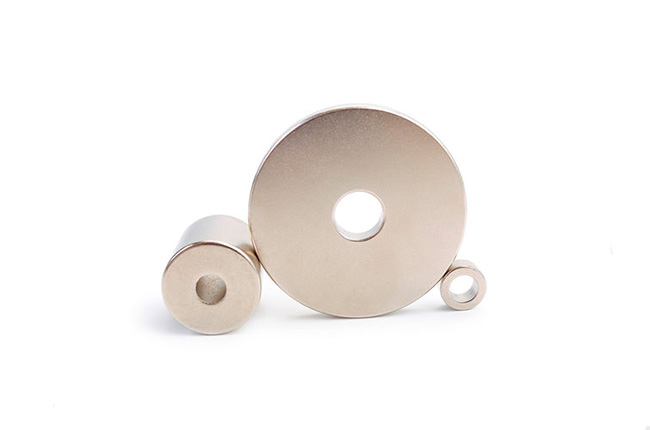
At their core, all strong magnets must contain ferromagnetic materials, which are metals like iron (Fe), nickel (Ni), and cobalt (Co). These elements have unique electron structures that allow their atomic magnetic moments (or domains) to align in the same direction when exposed to an external magnetic field, thus creating a powerful, lasting magnet.
The Four Primary Families of Permanent Magnets
Modern magnets are generally categorized into four main material families, each offering a distinct balance of performance and cost.
1. Rare Earth Magnets (Neodymium and Samarium Cobalt)These are the strongest permanent magnets available today, utilizing elements from the rare earth group on the periodic table to achieve superior performance.
Neodymium Iron Boron (NdFeB): Often simply called neodymium magnets, these are the most powerful type commercially available. They are an alloy of Neodymium (Nd), Iron (Fe), and Boron (B). Their massive strength-to-size ratio makes them essential for high-tech applications like hard disk drives, headphones, and electric vehicle motors. However, standard grades are susceptible to corrosion and demagnetization at relatively low temperatures.
Samarium Cobalt (SmCo): These magnets are an alloy of Samarium (Sm) and Cobalt (Co). While slightly weaker than neodymium, Samarium Cobalt magnets boast superior resistance to corrosion and, most importantly, possess excellent high-temperature stability (often operating effectively up to 350°C). This makes them the material of choice for demanding fields like aerospace and high-temperature machinery.
2. Ceramic (Ferrite) MagnetsCeramic magnets, or ferrite magnets, are the most widely used and economical type.
Composition: They are composed mainly of iron oxide (Fe2O3) mixed with either Barium (Ba) or Strontium (Sr) carbonate.
Properties: Though significantly weaker than rare earth magnets, they are highly resistant to corrosion and demagnetization from external magnetic fields. Their low cost and robust nature make them perfect for low-power applications like refrigerator magnets, magnetic catches, and small electric motors.
3. Alnico Magnets
Composition: They are an alloy of Aluminum (Al), Nickel (Ni), and Cobalt (Co), along with iron and other elements.
Properties: Alnico magnets are prized for their exceptional temperature stability (they can withstand temperatures up to 550°C and higher) and their high magnetic field strength (though they are easily demagnetized). This combination makes them ideal for scientific instruments, sensors, and furnace applications.
How Electromagnets Are Different
It’s important to distinguish permanent magnets from electromagnets.
An electromagnet is a temporary magnet that is only active when electricity flows through it. It typically consists of a coil of insulated wire wound around a core made of a soft magnetic material, such as pure iron or certain types of steel. The iron core concentrates the magnetic flux generated by the electric current in the wire, creating a powerful temporary magnetic field. The key difference is that when the current is turned off, the iron core quickly loses nearly all of its magnetic properties.
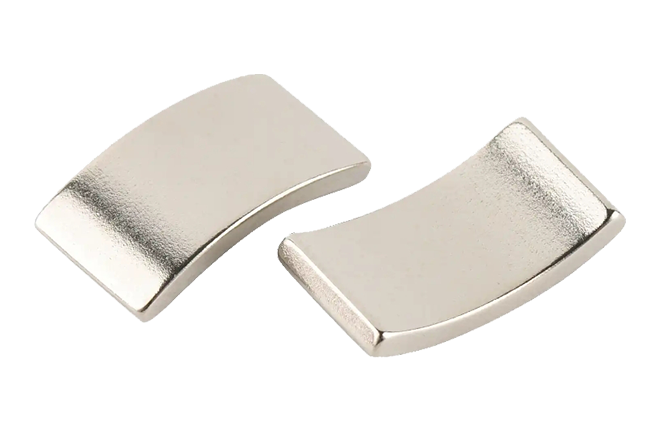
The world of magnets is defined by the materials we use—from the ubiquitous, inexpensive ferrite to the ultra-powerful, temperature-resistant rare earth alloys—each precisely engineered to power the diverse technologies of our modern world.
Topping
Contact

We will contact you within 24 hours. ( WhatsApp/facebook:+86 15957855637)