
Neodymium magnets are widely known as the strongest permanent magnets available, but not all neodymium magnets are equally strong. This often leads to a common question: what is the weakest neodymium magnet?
The short answer is that the weakest commonly available neodymium magnet grade is N35. Even so, it is important to understand that “weak” is a relative term. Compared to other magnet materials, even the weakest neodymium magnet is still very powerful.
This article explains neodymium magnet grades, why N35 is considered the weakest standard grade, and what that really means in practical use.
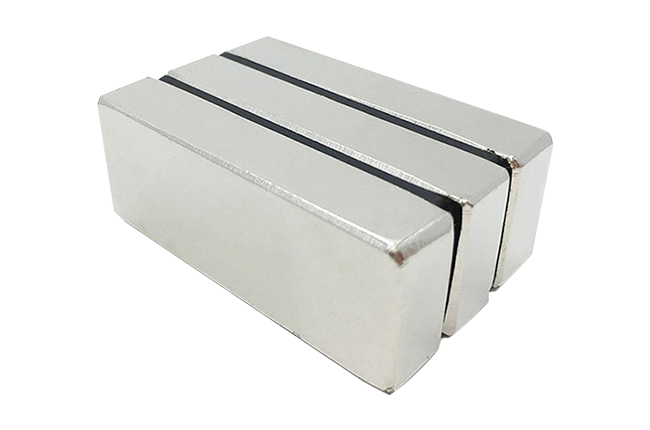
Understanding Neodymium Magnet Grades
Neodymium magnets are graded using labels such as N35, N42, N48, and N52. The letter “N” stands for neodymium, and the number represents the magnet’s maximum energy product, which indicates how much magnetic energy the material can store.
In simple terms, a higher number means a stronger magnet in the same size. A lower number means less magnetic force, but not necessarily poor performance.
Why N35 Is Considered the Weakest
Among standard commercial neodymium magnets, N35 has the lowest magnetic energy rating that is widely produced and sold. This makes it the weakest in the neodymium family.
However, “weakest” does not mean weak in an absolute sense. An N35 neodymium magnet is still far stronger than ferrite or alnico magnets of the same size. In everyday language, it may be the smallest lion in the group, but it is still a lion.
Are There Grades Below N35?
In theory, neodymium magnets can be manufactured with grades lower than N35, such as N30 or N28. However, these grades are rarely used in commercial products.
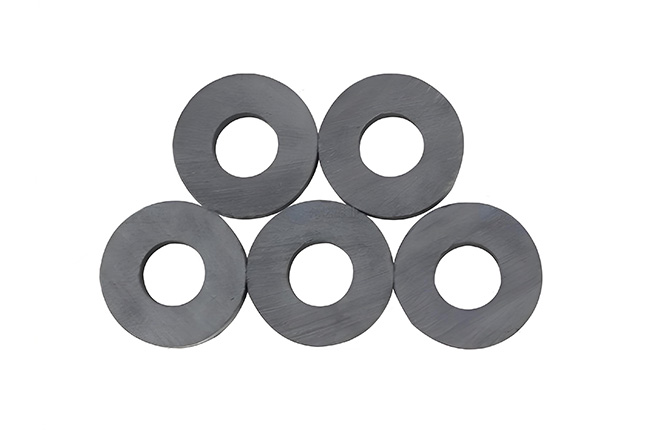
The reason is simple: if very low magnetic strength is required, manufacturers usually choose ferrite magnets or other materials instead of neodymium. These alternatives are more cost-effective and better suited for low-strength applications.
As a result, N35 is generally recognized as the weakest practical neodymium magnet on the market.
Strength Compared to Other Magnet Types
Even at grade N35, neodymium magnets provide extremely high magnetic force relative to their size. This is why they are still widely used in motors, sensors, holding systems, and consumer products.
If you compare an N35 neodymium magnet to a ceramic magnet of the same size, the neodymium magnet will be dramatically stronger. So while it is the weakest among neodymium magnets, it is still very powerful overall.
Why Use the Weakest Neodymium Magnet?
There are several reasons why engineers and manufacturers choose N35 magnets.
First, N35 magnets are more affordable than higher grades such as N42 or N52. Second, they are easier and safer to handle during assembly. Third, many applications simply do not need extreme magnetic force.
Using a stronger magnet than necessary can increase cost and create handling or safety issues. Sometimes, less strength is actually the smarter choice.
Temperature and Stability Considerations
Lower-grade neodymium magnets like N35 often perform more predictably in certain environments. In some cases, a lower-grade magnet with a higher temperature rating can be more reliable than a high-strength magnet that is sensitive to heat.
This again shows that magnet selection is about balance, not just strength.
Final Answer: What Is the Weakest Neodymium Magnet?
The weakest commonly available neodymium magnet is N35.
While it offers lower magnetic strength compared to higher grades, it is still far stronger than most other permanent magnet materials. For many applications, N35 provides an ideal balance of performance, cost, and ease of use.
In short, even the weakest neodymium magnet is impressively strong — and often exactly what the job requires.
Topping
Contact

We will contact you within 24 hours. ( WhatsApp/facebook:+86 15957855637)