
The phrase "rare-earth magnet" conjures an image of something exotic, hard to find, and perhaps mined from some secret, remote corner of the world. While these magnets—primarily Neodymium and Samarium Cobalt—are undoubtedly exceptional in their strength, their name is actually a historical misnomer that has simply stuck.
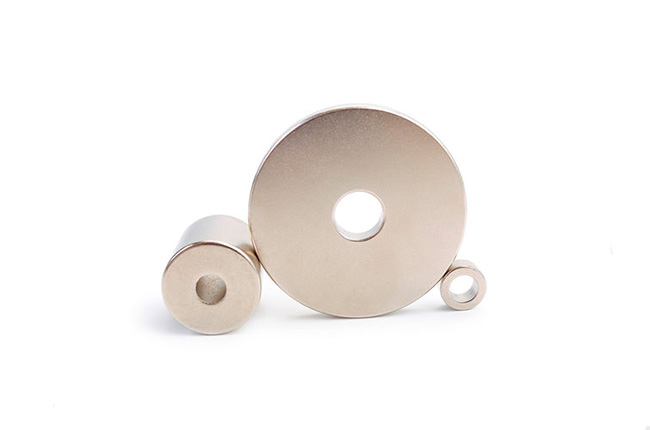
These magnets are called "rare-earth" because they are composed of alloys containing elements from the group known as the Rare Earth Elements (REEs) on the periodic table. But the story of the name is far more complex than their chemical composition.
1. The Historical Context: The "Rare Earths"
The term "rare earth" dates back to the late 18th century, and it was applied for two key reasons that have very little to do with modern scarcity:
Difficulty in Isolation: The original rare earth elements were initially found within complex mineral ores (often oxides). These minerals were called "earths" by early chemists. The elements themselves have extremely similar chemical properties, making them notoriously difficult to separate, isolate, and purify from one another using the technology of the time. This difficulty led to them being initially perceived as "rare" or hard to get in a pure state.
Dispersed Deposits: While abundant in the Earth’s crust, REEs do not typically form large, concentrated, easily-mined seams like iron or copper. Instead, they are widely dispersed as trace impurities in many different types of rock. In any given cubic kilometer of earth, the usable concentration is "rare," making the economic mining and processing of the ore a major industrial challenge.
In short, the term "rare" referred less to their total global quantity and more to the scarcity of accessible, concentrated deposits and the rarity of isolating them as pure metals.
2. The Abundance Reality
Today, we know that many of the elements used in a rare-earth magnet are quite plentiful.
Neodymium: The key element in Neodymium Iron Boron (NdFeB) magnets, is actually more abundant in the Earth's crust than copper or lead.
The Lanthanides: The REEs consist of 17 metallic elements, including the 15 lanthanides, plus Scandium and Yttrium. With the exception of one (Promethium), none of them are truly scarce.
3. The Modern Magnetic Marvel
The elements within this group, like Samarium and Neodymium, possess unique electron shell structures (specifically, the $4f$ electron shell) that allow them to hold onto their magnetic properties with exceptional strength, known as high coercivity.
This exceptional magnetic performance is what truly defines a rare-earth magnet. Developed in the 1960s and 1980s, these magnets deliver superior strength and stability that conventional ferrite or alnico magnets simply cannot match, enabling the miniaturization of technology in everything from smartphones and headphones to electric motors and wind turbines.
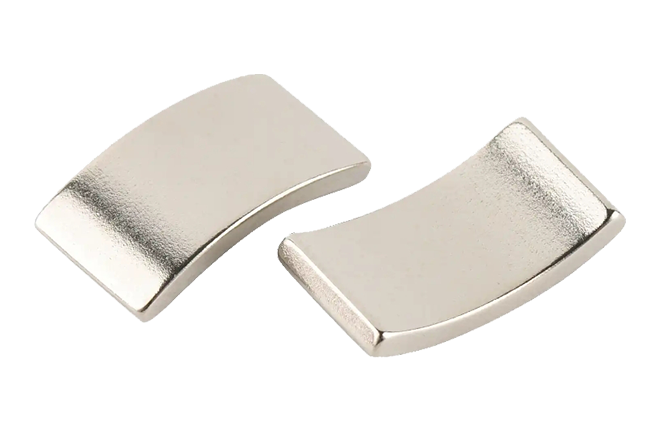
So, while the "rare" part of the name is misleading in terms of abundance, it appropriately signals the specialized nature of the elements required to create the most powerful permanent magnets in the world.
Topping
Contact

We will contact you within 24 hours. ( WhatsApp/facebook:+86 15957855637)