
Neodymium, a rare earth metal, has become increasingly important in modern technology. It is commonly used in powerful magnets, electric vehicles, wind turbines, headphones, and hard drives. As its usage grows, many people are concerned about the potential health risks associated with exposure. So, is neodymium toxic to humans? Let’s explore the facts.
What is Neodymium?
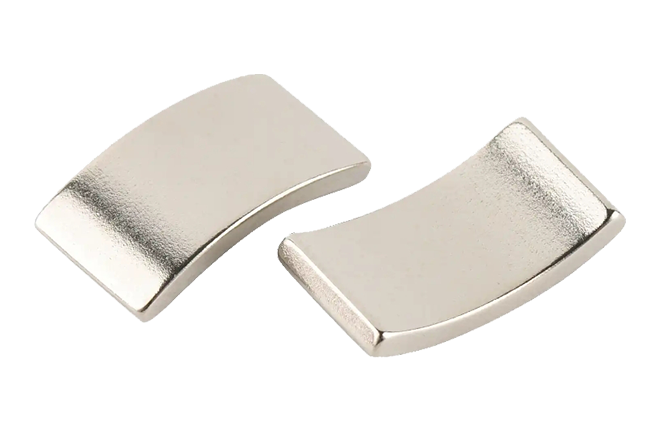
Neodymium (chemical symbol Nd, atomic number 60) belongs to the lanthanide series of rare earth elements. It is a silvery metal that is relatively stable in air and water but can oxidize slowly. In industry, it is most often found in alloys or permanent magnets rather than in pure metallic form.
Routes of Human Exposure
Humans may be exposed to neodymium in several ways:
Inhalation – Fine neodymium dust or powders may be inhaled during industrial processes like mining, refining, or manufacturing of magnets.
Ingestion – Accidental swallowing of dust or contaminated food and water can occur in workplaces handling neodymium.
Skin contact – While neodymium metal is generally considered low in skin toxicity, powders or compounds may cause irritation.
Toxicity of Neodymium
Currently, neodymium is considered to have low toxicity, but research is limited. Studies suggest the following:
Inhalation risk: Chronic inhalation of neodymium dust may cause respiratory irritation, coughing, and in some cases, long-term lung effects. Animal studies show that rare earth elements can accumulate in lung tissue, potentially leading to inflammation.
Ingestion risk: Oral intake of neodymium compounds appears to have low acute toxicity. However, extremely high doses in animals have been associated with liver and kidney damage.
Dermal exposure: Direct contact with neodymium metal is not highly toxic, but neodymium compounds may cause mild skin irritation or allergic reactions.
Environmental and Long-Term Effects
Neodymium is considered chemically stable and does not easily dissolve in water. However, industrial neodymium dust can accumulate in soil and water, raising concerns about long-term environmental exposure. There is limited evidence that chronic exposure to rare earth elements may affect organ function, but comprehensive human studies are lacking.
Safety Measures
To minimize potential health risks:
Wear protective equipment such as gloves, masks, and safety goggles when handling neodymium powders.
Ensure proper ventilation in workplaces where neodymium dust is generated.
Avoid ingestion by washing hands thoroughly after handling materials containing neodymium.
Dispose of neodymium waste responsibly to prevent environmental contamination.
Conclusion
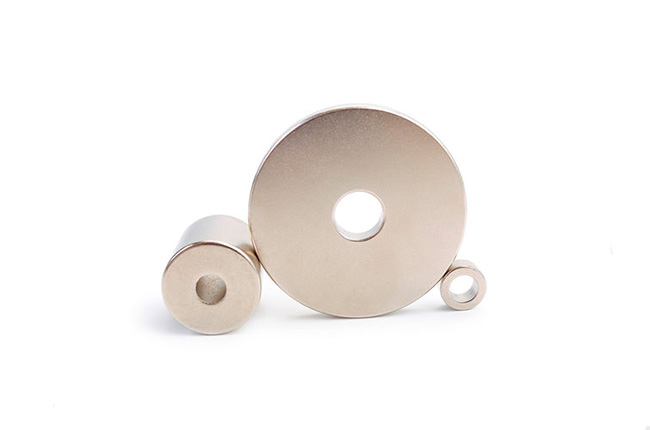
While neodymium is not highly toxic to humans, excessive or chronic exposure—especially through inhalation of dust—may pose respiratory and organ risks. Most consumer products containing neodymium, such as magnets and electronics, are generally safe because the metal is embedded in solid materials, limiting exposure.
For workers in industries dealing with neodymium powders, following proper safety protocols is crucial to prevent potential health hazards. As research continues, it is important to monitor new findings regarding the long-term effects of rare earth metals on human health.
Keywords for SEO: Neodymium toxicity, neodymium health risks, rare earth metal safety, neodymium exposure, is neodymium dangerous, neodymium safety precautions
Topping
Contact

We will contact you within 24 hours. ( WhatsApp/facebook:+86 15957855637)