
Neodymium magnets are widely known for their exceptional strength and compact size. They are used in everything from industrial motors and medical devices to consumer electronics and DIY projects. But despite their impressive performance, many people wonder: what happens if neodymium magnets get wet? The answer is more important than you might think, especially if you want to extend their lifespan and maintain their performance.
Understanding Neodymium Magnets
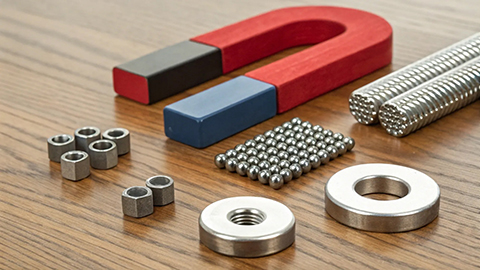
Neodymium magnets, also known as NdFeB magnets, are made primarily from neodymium, iron, and boron. This composition gives them extremely strong magnetic properties, but it also makes them vulnerable to environmental factors—especially moisture. Unlike some other types of magnets, neodymium magnets are not naturally corrosion-resistant.
The Immediate Effect of Water Exposure
When neodymium magnets come into contact with water, nothing dramatic happens instantly. The magnet will not lose its magnetism right away, and it will continue to function normally in the short term. However, water exposure initiates a process that can cause serious damage over time.
Most neodymium magnets are coated with protective layers such as nickel, zinc, or epoxy. These coatings act as a barrier between the magnet’s core and the surrounding environment. If the coating remains intact, brief contact with water may not cause immediate harm.
Corrosion and Rust: The Real Risk
The real problem begins when moisture penetrates the protective coating. Even tiny scratches or cracks can allow water to reach the iron content inside the magnet. Once this happens, oxidation starts quickly.
Neodymium magnets are especially prone to rusting because iron oxidizes rapidly when exposed to water and oxygen. Over time, corrosion can cause the magnet to:
Lose structural integrity
Become brittle and crumbly
Weaken in magnetic strength
Eventually break apart entirely
In humid environments or direct water exposure, this deterioration can happen surprisingly fast.
Long-Term Impact on Performance
As corrosion progresses, the internal structure of neodymium magnets degrades. This not only affects their physical appearance but also their performance. A corroded magnet may no longer provide consistent magnetic force, making it unreliable for precision applications such as motors, sensors, or electronic assemblies.
In severe cases, the magnet can swell or flake, rendering it completely unusable.
How to Protect Neodymium Magnets from Water
To prevent damage, it’s essential to take proper precautions when using neodymium magnets in wet or humid conditions:
Choose magnets with high-quality protective coatings, such as epoxy or rubber
Avoid using standard neodymium magnets outdoors unless they are specifically rated for such environments
Dry magnets thoroughly if they accidentally get wet
Store them in a dry, temperature-controlled space
For applications involving constant moisture, consider waterproof or specially coated neodymium magnets designed for harsh environments.
Conclusion
So, what happens if you get neodymium magnets wet? While short-term exposure may not cause immediate failure, water can lead to corrosion, structural damage, and reduced magnetic performance over time. Understanding this vulnerability is key to using neodymium magnets safely and effectively.
By choosing the right coating and taking preventive measures, you can significantly extend the lifespan of neodymium magnets and ensure they perform reliably—even in challenging conditions.
Topping
Contact

We will contact you within 24 hours. ( WhatsApp/facebook:+86 15957855637)