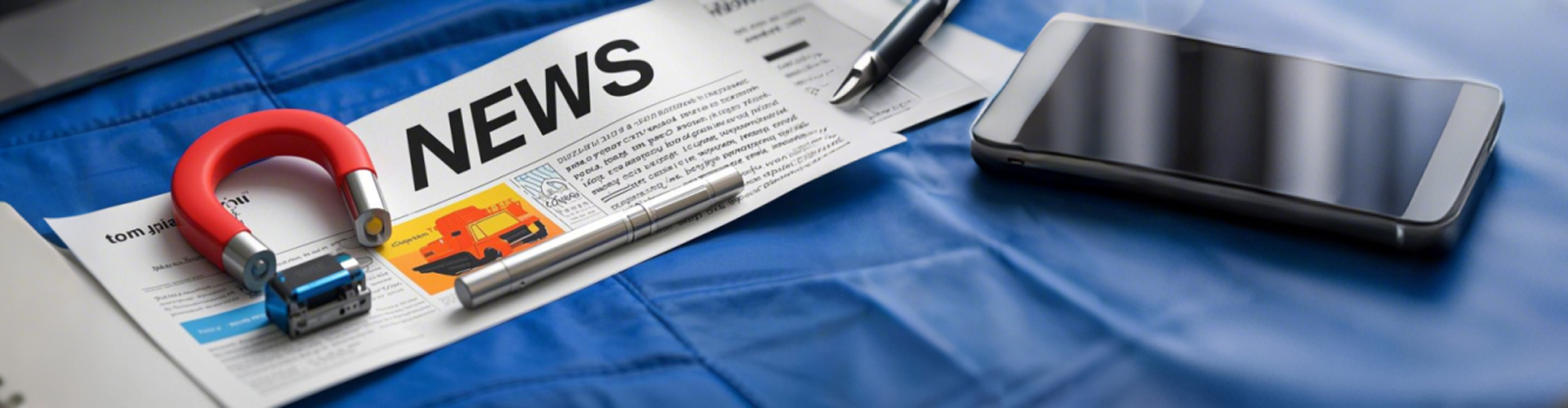
Sintered NdFeB is one of the most powerful permanent magnetic materials available today. It plays a critical role in modern industries ranging from electric vehicles and wind energy to consumer electronics and medical equipment. To fully understand its value, it is essential to explore what sintered NdFeB is, how it is made, and why it stands out among other magnetic materials.
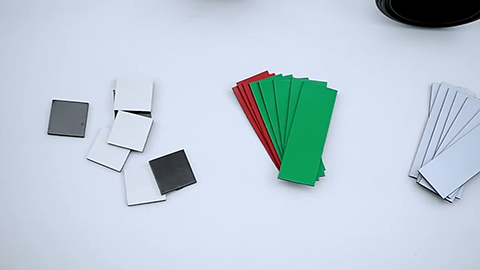
Understanding NdFeB Magnets
NdFeB refers to neodymium-iron-boron magnets, a class of rare earth magnets first developed in the 1980s. These magnets are known for their exceptional magnetic strength, compact size, and high energy density. Compared with traditional ferrite or AlNiCo magnets, NdFeB magnets can deliver much stronger magnetic performance while occupying significantly less space.
Among different types of NdFeB magnets, sintered NdFeB represents the most widely used and highest-performance category.
What Makes Sintered NdFeB Different?
Sintered NdFeB magnets are produced using a powder metallurgy process. Unlike bonded NdFeB magnets, which are mixed with polymers or resins, sintered NdFeB magnets are formed by compacting and sintering fine NdFeB powder at high temperatures.
This manufacturing method results in a dense and highly oriented microstructure, allowing sintered NdFeB magnets to achieve superior magnetic properties, including:
Extremely high magnetic energy product (BHmax)
Strong remanence and coercivity
Excellent magnetic stability under demanding conditions
Because of these characteristics, sintered NdFeB magnets are often chosen for applications where maximum magnetic performance is required.
The Manufacturing Process of Sintered NdFeB
The production of sintered NdFeB involves several precise steps:
1.Raw Material Preparation
Rare earth elements such as neodymium, along with iron and boron, are melted together to form an alloy.
2.Powder Milling
The alloy is crushed into ultra-fine powder, often in a protective atmosphere to prevent oxidation.
3.Magnetic Alignment and Pressing
The powder is aligned in a strong magnetic field and pressed into the desired shape, ensuring optimal magnetic orientation.
4.Sintering and Heat Treatment
The compacted material is sintered at high temperatures, followed by heat treatment to enhance magnetic properties.
5.Machining and Surface Coating
Since NdFeB magnets are brittle and prone to corrosion, they are precisely machined and coated with materials such as nickel, epoxy, or zinc.
This carefully controlled process is what gives sintered NdFeB magnets their unmatched strength and reliability.
Key Advantages of Sintered NdFeB
Sintered NdFeB magnets offer several advantages that make them indispensable in advanced technologies:
High Magnetic Strength
They provide the strongest magnetic force among commercially available permanent magnets.
Compact and Lightweight Design
Their high energy density allows for smaller and lighter components without sacrificing performance.
Wide Application Range
Sintered NdFeB magnets can be engineered for different grades to meet specific temperature and performance requirements.
Energy Efficiency
By enabling smaller motors and generators, NdFeB magnets contribute to improved energy efficiency and reduced material usage.
Common Applications of Sintered NdFeB
Thanks to their outstanding performance, sintered NdFeB magnets are widely used across multiple industries:
Electric Vehicles (EVs): High-efficiency motors and drive systems
Wind Power: Generators requiring strong and stable magnetic fields
Consumer Electronics: Smartphones, headphones, and hard disk drives
Industrial Automation: Servo motors and robotic systems
Medical Equipment: MRI systems and precision medical devices
In many of these applications, NdFeB magnets are essential for achieving high performance in limited space.
Limitations and Considerations
Despite their advantages, sintered NdFeB magnets also have some limitations:
Temperature Sensitivity: Standard grades may lose magnetic strength at high temperatures, though high-temperature NdFeB grades are available.
Corrosion Resistance: NdFeB materials are prone to oxidation and require protective coatings.
Cost Factors: The use of rare earth elements makes sintered NdFeB magnets more expensive than ferrite magnets.
Understanding these factors helps engineers and designers choose the right NdFeB grade for their specific application.
Conclusion
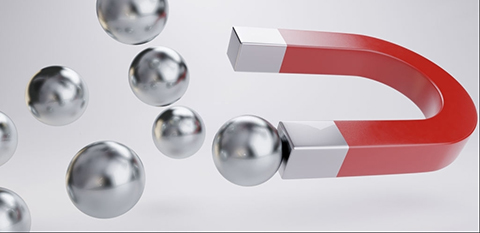
Sintered NdFeB is a cornerstone material in modern magnetic technology. With its exceptional strength, compact size, and versatility, it has transformed industries that demand high-performance magnetic solutions. As global demand for energy efficiency, electrification, and advanced automation continues to grow, NdFeB magnets—especially sintered NdFeB—will remain a critical material shaping the future of technology.
Topping
Contact

We will contact you within 24 hours. ( WhatsApp/facebook:+86 15957855637)