
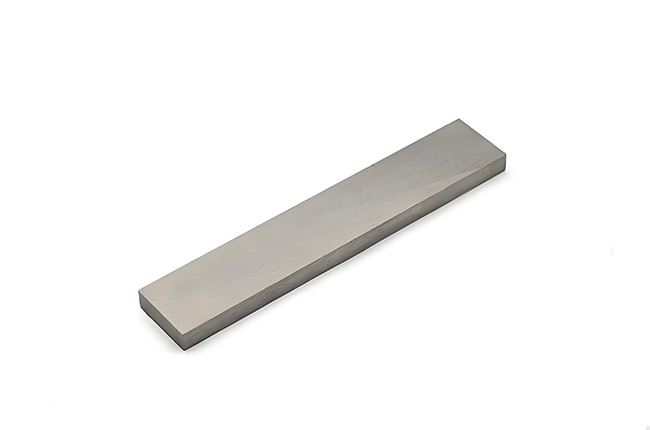
Block magnets, also known as rectangular magnets, are among the most common shapes of permanent magnets. They are widely used across industries, technology, and daily life due to their versatility and strong magnetic properties. Understanding their applications requires a look at their characteristics and functionality.
What Are Block Magnets?
A block magnet is a solid, rectangular-shaped permanent magnet, typically made from materials like neodymium (NdFeB), ferrite (ceramic), or alnico. These magnets generate a stable and consistent magnetic field along their surfaces and edges, which makes them ideal for a variety of practical applications.
Block magnets are valued for:
High magnetic strength: Especially in neodymium versions.
Durability: Resistant to demagnetization under normal conditions.
Versatility: Easy to mount or incorporate into devices due to their uniform shape.
Common Uses of Block Magnets
1. Industrial Applications
Block magnets are widely used in manufacturing and engineering. For example:
Magnetic separation: Removing metal contaminants from production lines in food, plastics, and recycling industries.
Motors and generators: Acting as key components in electric motors, sensors, and actuators.
Holding and lifting devices: Used in magnetic clamps, magnetic chucks, and lifters for metal objects.
2. Electronics and Technology
In the electronics field, block magnets serve essential roles:
Speakers and microphones: Providing magnetic fields to interact with coils and produce sound.
Hard drives and sensors: Enabling precise movement and detection in computing devices.
Magnetic assemblies in robotics: Used in actuators and motors for robotic movement and control.
3. Educational and Scientific Uses
Block magnets are widely used for teaching and research purposes:
Physics demonstrations: Showing principles of magnetism, magnetic fields, and magnetic force.
Laboratory equipment: Holding, clamping, or separating ferromagnetic materials in experiments.
4. Household and DIY Applications
In everyday life, block magnets are highly practical:
Fridge magnets: Though smaller versions, they hold notes or decorations.
DIY projects: For magnetic closures, tool holders, or science experiments at home.
Magnetic organizers: Keeping metal tools and objects neatly arranged.
Advantages of Block Magnets
Ease of use: Their rectangular shape allows easy alignment in devices.
Strong magnetic field: Particularly in neodymium block magnets, offering high performance in compact sizes.
Durability: They can withstand daily wear and tear while maintaining magnetism.
Conclusion
Block magnets are versatile and essential components in many areas of modern life. From industrial machinery and electronics to education and DIY projects, their strong and reliable magnetic properties make them indispensable. Whether in high-tech applications or household use, understanding the function of block magnets highlights the importance of magnetism in both everyday and professional contexts.
Topping
Contact

We will contact you within 24 hours. ( WhatsApp/facebook:+86 15957855637)