
Magnets are pretty amazing—they can stick to your fridge, tools, and even some parts of your car. But did you know that not all metals are attracted to magnets? If you’ve ever tried sticking a magnet to a metal object and it just slid off, you’re not alone. In this article, we’ll explain what metals magnets will not stick to, why this happens, and how you can tell the difference.
How Magnets Work
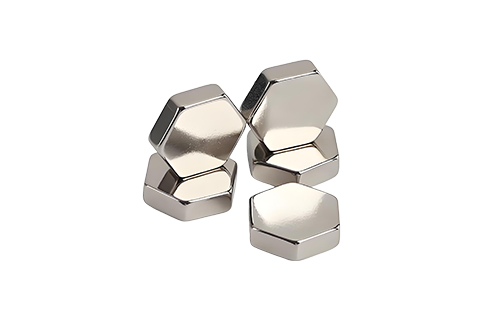
Before we dive into the metals that magnets won’t stick to, let’s quickly recap how magnets work. Magnets create a magnetic field, which attracts ferromagnetic metals—metals that have atoms with magnetic domains that can align. The most common magnetic metals are iron, nickel, cobalt, and many steel alloys.
So, if a metal doesn’t have the right atomic structure, the magnet can’t “grab onto it,” and it just won’t stick. Think of it as trying to shake hands with someone wearing thick gloves—you’re not going to get much grip.
Metals That Magnets Will Not Stick To
Here’s a list of common metals that are non-magnetic or weakly magnetic:
1. Aluminum
Aluminum is lightweight and used in everything from soda cans to airplanes. Magnets won’t stick to it because its atomic structure doesn’t allow magnetic domains to align.
2. Copper
Copper is famous for electrical wiring. It’s non-magnetic and will not respond to a regular magnet. You can still induce a temporary magnetic effect with special methods, but a fridge magnet? Forget it.
3. Brass
Brass is an alloy of copper and zinc. It’s shiny, durable, and decorative, but it’s non-magnetic. So your magnet won’t stick to brass door handles or musical instruments.
4. Bronze
Bronze, another copper-based alloy, also resists magnets. This includes statues, coins, and some machinery parts.
5. Titanium
Titanium is lightweight and strong, used in aerospace and medical implants. It’s also non-magnetic under normal conditions.
6. Gold and Silver
Precious metals like gold, silver, and platinum are naturally non-magnetic. That’s why your jewelry or coins won’t stick to a magnet.
7. Some Stainless Steels
Stainless steel can be tricky. While some types are magnetic, austenitic stainless steel (like what’s used in sinks and kitchen appliances) usually won’t stick to magnets.
Why Some Metals Don’t Attract Magnets
Metals that don’t attract magnets generally have electrons arranged in a way that cancels out magnetic effects. Without unpaired electrons or aligned magnetic domains, the metal won’t respond to the magnetic field.
In simple words, the magnet is ready to hug the metal, but the metal just isn’t giving any hugs back.
Practical Implications
Understanding which metals are non-magnetic is useful in real life:
Home: Choosing materials for magnetic organizers or fridge magnets.
Industry: Sorting metals in recycling or manufacturing processes.
Electronics: Designing components that won’t be affected by magnets.
Knowing this small detail can save you time and headaches when working with magnets and metals.
Conclusion
Not all metals are magnet-friendly. While iron, nickel, cobalt, and most steel alloys love magnets, metals like aluminum, copper, brass, bronze, titanium, gold, silver, and some stainless steels will not stick. Understanding this can help in home projects, industrial applications, and even just impressing friends with your knowledge of physics.
So next time a magnet refuses to stick, don’t worry—it’s just the metal politely saying, “No thanks!”
Topping
Contact

We will contact you within 24 hours. ( WhatsApp/facebook:+86 15957855637)