
When discussing strong and expensive magnets, the conversation usually starts and ends with Neodymium (NdFeB). These "super magnets" are the strongest permanent magnets available commercially and command a high price.
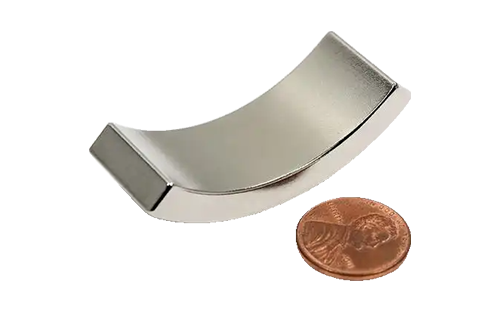
However, if you look strictly at the raw material costs and the complexities of fabrication, Neodymium is not the most expensive magnetic material on the market. That title belongs to its sibling in the rare-earth family: Samarium Cobalt (SmCo).
The Most Expensive Magnet Material: Samarium Cobalt (SmCo)
While Samarium Cobalt magnets might be slightly less powerful than the strongest Neodymium grades, they are significantly more expensive to produce. The high cost is primarily driven by one of its key constituents: Cobalt.
The High Cost of Cobalt: Cobalt is a highly sought-after commodity due to its use in lithium-ion batteries, which power electric vehicles and consumer electronics. Its price is notoriously high and subject to extreme volatility based on mining and geopolitical factors. Since Samarium Cobalt magnets contain a substantial amount of this expensive metal, their cost per kilogram surpasses that of Neodymium, which relies mainly on iron and less-expensive rare-earth elements.
Complex Fabrication: The manufacturing process for SmCo is also generally more challenging. The alloy is brittle and the materials are difficult to machine, adding further complexity and cost to the final product.
Why Do People Still Buy Samarium Cobalt? (The Value Proposition)
Despite the higher price tag, Samarium Cobalt isn't obsolete. It thrives in high-performance applications where Neodymium fails, making its premium cost justified by its unique properties:
Feature Samarium Cobalt (SmCo) Neodymium (NdFeB)
Max Working Extremely High (up to 350°C Moderate (typically up to 80°C
Temperature or 662°F ) or 176°F for standard grades)
In applications like aerospace, high-end motor sport engines, and down-hole oil drilling equipment, the magnet must operate reliably at extreme temperatures where Neodymium would quickly demagnetize and fail. In these critical environments, the Samarium Cobalt magnet's cost is simply the price of reliable, high-temperature performance.
Final Verdict on Magnetic Costs
When comparing common commercial magnets on a price-per-pound basis:
1. Samarium Cobalt (SmCo): The most expensive per unit of weight due to high Cobalt content and fabrication costs.
2. Neodymium (NdFeB): Expensive, but less so than SmCo. Holds the title for the strongest magnetic force relative to size.
3. Alnico: Mid-range cost, known for high temperature tolerance but lower strength than rare-earth magnets.
4. Ceramic (Ferrite): The cheapest and most common material, ideal for low-cost, high-volume applications.
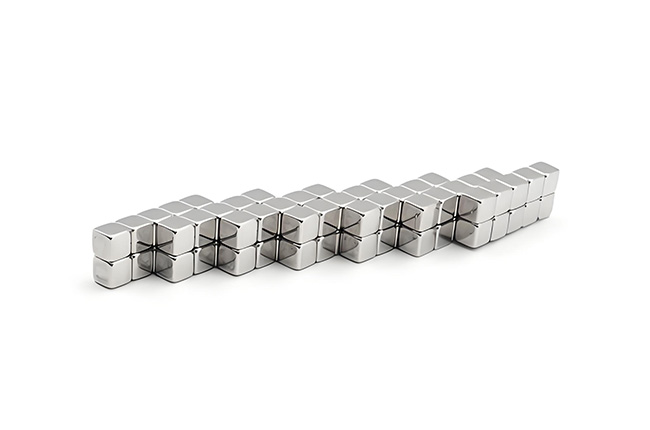
So, while Neodymium may give you the biggest pull for your dollar, Samarium Cobalt is the clear winner for the title of the most expensive magnet material.
Topping
Contact

We will contact you within 24 hours. ( WhatsApp/facebook:+86 15957855637)