
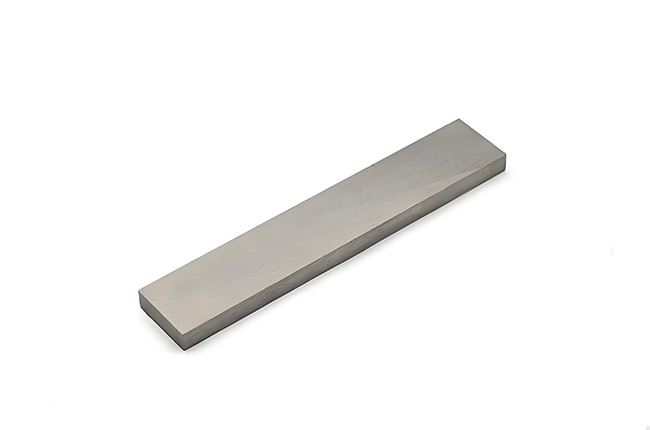
Magnet steel is a type of steel that exhibits magnetic properties, making it highly valuable in many industrial and technological applications. In simple words, it’s steel that can be magnetized or attracted by a magnet. This material combines the strength and durability of steel with the unique characteristics of magnetism, making it a versatile choice for engineers and manufacturers.
Definition of Magnet Steel
Magnet steel, also known as magnetic steel, is a steel alloy specifically designed to have high magnetic permeability. This means it can easily channel magnetic lines of force. The main components usually include iron, carbon, and sometimes small amounts of other elements such as nickel, cobalt, or silicon to enhance its magnetic properties.
In short, if regular steel is like a strong and flexible worker, magnet steel is like that worker who also happens to have a special “magnetic” skill—attracting magnets and interacting with magnetic fields.
Types of Magnet Steel
Magnet steel can be classified based on its magnetic properties and usage:
1. Soft Magnetic Steel
Easily magnetized and demagnetized
Used in transformers, electric motors, and generators
Example: Silicon steel sheets
2. Hard Magnetic Steel
Retains magnetism for a long time
Commonly used in permanent magnets, loudspeakers, and magnetic sensors
Example: Alnico alloys (aluminum, nickel, cobalt)
3. Special Alloy Magnet Steel
Tailored for specific industrial applications
Can be designed to withstand high temperatures or mechanical stress
Properties of Magnet Steel
Magnet steel is valued for the following key properties:
High Magnetic Permeability: Can conduct magnetic flux efficiently
Mechanical Strength: Maintains the durability and toughness of steel
Corrosion Resistance: Some types resist rust, extending their lifespan
Thermal Stability: Certain alloys work well even under high temperatures
These properties make magnet steel a cornerstone in electronics, mechanical engineering, and renewable energy technologies.
Applications of Magnet Steel
Magnet steel is widely used across different industries:
Electric Motors and Generators: Converts electrical energy to mechanical energy and vice versa
Transformers: Helps in efficient energy transfer in electrical grids
Sensors and Actuators: Used in devices that detect movement or position
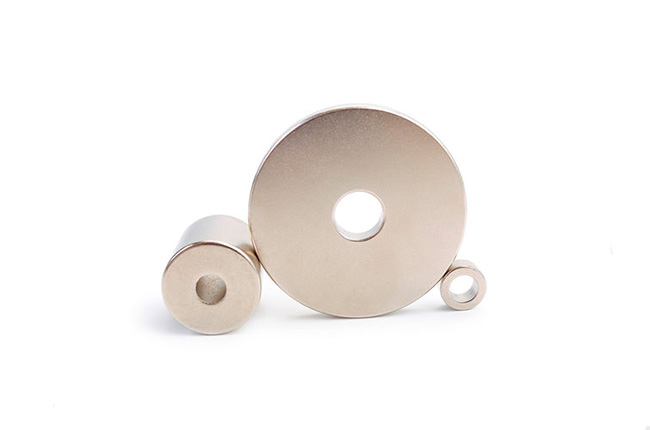
Permanent Magnets: Found in loudspeakers, MRI machines, and magnetic locks
Basically, any place you see a magnet doing work, there’s a good chance magnet steel is involved somewhere behind the scenes.
Conclusion
Magnet steel is more than just regular steel—it’s a high-tech material that blends strength, durability, and magnetism. Whether it’s in a transformer, a motor, or a sensor, magnet steel plays a crucial role in modern technology. Understanding its properties and applications is essential for engineers, researchers, and anyone interested in materials science.
In short, think of magnet steel as the “superhero” of the steel world: strong, reliable, and a little magnetic magic tucked in its structure.
Topping
Contact

We will contact you within 24 hours. ( WhatsApp/facebook:+86 15957855637)