
A lenticular magnet is a type of permanent magnet that has a distinctive lens-shaped or biconvex form, similar to the shape of a lentil or a shallow dome. This unique geometry is not just for looks—it plays an important role in how the magnetic field is distributed and how the magnet performs in real-world applications.
In simple terms, a lenticular magnet is designed to focus magnetic force toward the center while maintaining smooth edges. This makes it especially useful in applications where controlled magnetic strength, compact size, and stable positioning are required.
Shape and Structural Characteristics
The defining feature of a lenticular magnet is its curved surface on both sides. Unlike flat disc magnets or rectangular block magnets, the lenticular shape reduces sharp edges and corners. This has several advantages:
It minimizes mechanical stress during handling and assembly
It reduces the risk of chipping or cracking, especially for brittle materials
It allows for smoother integration into curved or ergonomic designs
From an engineering perspective, the curved geometry helps distribute force more evenly. So while it may look simple, the shape is actually doing quite a bit of work behind the scenes.
Magnetic Field Behavior
One of the key reasons lenticular magnets are used is their magnetic field concentration. Due to their shape, the magnetic flux tends to be more focused toward the central axis of the magnet.
This means:
Better magnetic efficiency in small contact areas
More predictable attraction force
Reduced edge interference compared to flat magnets
To put it plainly, the magnet “works where you want it to work,” instead of wasting strength around the edges.
Common Materials Used
Lenticular magnets can be manufactured from several magnetic materials, depending on performance requirements:
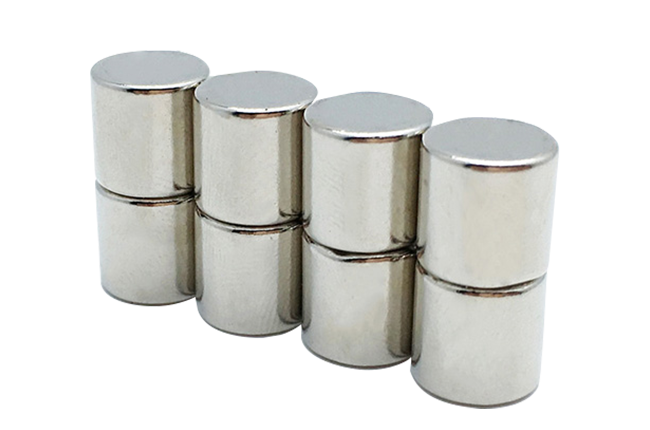
Neodymium (NdFeB): High magnetic strength, compact size
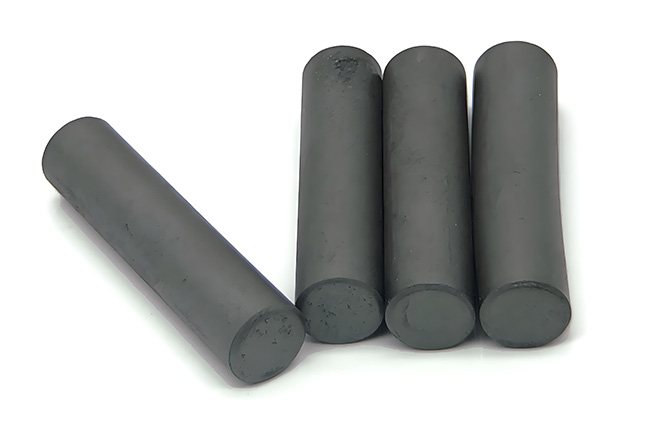
Ferrite (ceramic): Cost-effective and corrosion-resistant
Samarium cobalt (SmCo): Excellent thermal stability
Neodymium lenticular magnets are the most common in modern industrial and consumer products because they offer strong magnetic performance in a relatively small footprint.
Typical Applications of Lenticular Magnets
Thanks to their shape and magnetic behavior, lenticular magnets are used across multiple industries:
Electronics: Sensors, switches, and alignment components
Automotive systems: Position detection and retention mechanisms
Medical devices: Precision equipment where smooth surfaces matter
Consumer products: Magnetic closures, holders, and mounts
They are especially useful in designs where flat magnets would cause uneven contact or excessive wear.
Advantages Over Traditional Magnet Shapes
Compared to standard disc or block magnets, lenticular magnets offer several practical benefits:
Smoother surface reduces friction and damage
Better mechanical durability
More controlled magnetic attraction
Easier alignment in rotational or curved assemblies
In everyday language, they are simply easier to work with and more forgiving in complex designs.
Final Thoughts
A lenticular magnet may seem like a small variation on traditional magnet shapes, but its lens-like geometry provides real functional advantages. By combining efficient magnetic performance with mechanical stability and ergonomic design, lenticular magnets solve problems that flat magnets sometimes struggle with.
Whether used in high-tech equipment or everyday products, lenticular magnets are a smart choice when precision, durability, and smooth interaction are required. It’s one of those designs where shape really does matter.
Topping
Contact

We will contact you within 24 hours. ( WhatsApp/facebook:+86 15957855637)